





What's Happening?
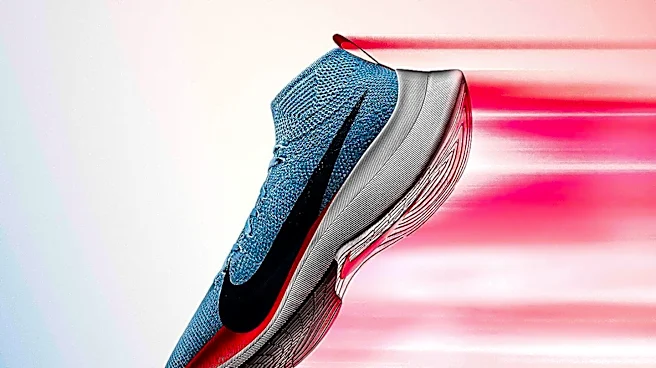
Nike CEO Elliott Hill announced a strategic shift in the company's marketing approach in December 2024, moving resources from performance marketing to brand marketing. This decision follows a significant 10% decline in revenue during fiscal year 2025.
The company, despite its widely recognized 'swoosh' logo, faced increased competition from challenger brands like On and Hoka, which offered consumers fresh reasons to choose their products. The previous focus on digital channels and performance marketing, while making Nike easily recognizable, did not translate into sustained growth or customer preference. This change aims to re-establish Nike's 'difference' in the market, rather than just its 'distinctiveness,' to provide consumers with a compelling reason to choose Nike over alternatives.
Why It's Important?
This shift by Nike's CEO highlights a broader challenge facing U.S. businesses: the 'differentiation crisis.' According to Kantar data, perceived difference across brands has fallen by nearly 20% over the past decade, largely due to marketing strategies optimized for algorithms and AI, leading to brands looking and sounding alike. This trend forces companies to compete primarily on price, eroding profit margins. For Nike, a brand with a long history of strong differentiation, the revenue decline underscores the critical need to offer a clear reason for consumers to choose its products. The move from performance to brand marketing is an attempt to regain pricing power and market share, as consumers are willing to pay significantly more for brands they perceive as meaningfully different. This strategic pivot could serve as a case study for other U.S. companies struggling with similar issues in an increasingly commoditized market.
What's Next?
The effectiveness of Nike's new marketing strategy will be closely watched as the company aims to restore profitable growth. The shift from performance to brand marketing implies a focus on creative work, experiences, and innovations that set market direction rather than follow it. This approach will require significant investment in building a compelling narrative and unique value proposition for consumers. Other companies are likely to observe Nike's outcomes, potentially influencing their own budget allocations for 2027. The success of this strategy could redefine how U.S. businesses approach brand building in an era dominated by digital marketing and AI, emphasizing the importance of genuine differentiation over mere recognition.
Beyond the Headlines
The underlying issue of brand differentiation extends beyond marketing departments, impacting operational aspects of businesses. The source highlights an example of a U.S. retailer where advertising was ineffective because the in-store experience failed to deliver on the brand's promise. This suggests that true differentiation requires alignment across all customer touchpoints, from marketing to product quality and customer service. For Nike, this could mean not only innovative advertising but also product development that genuinely sets it apart. The long-term implication is a potential re-evaluation of the entire business model, where brand investment is seen not just as media spending but as an integral part of product, service, and operational excellence. This holistic view is crucial for sustained growth and profitability in a competitive U.S. market.