




What's Happening?
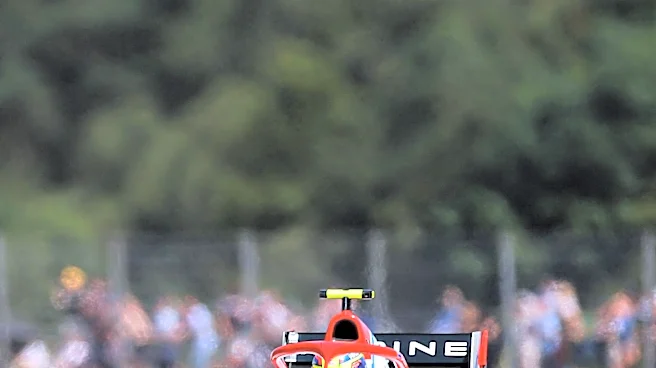
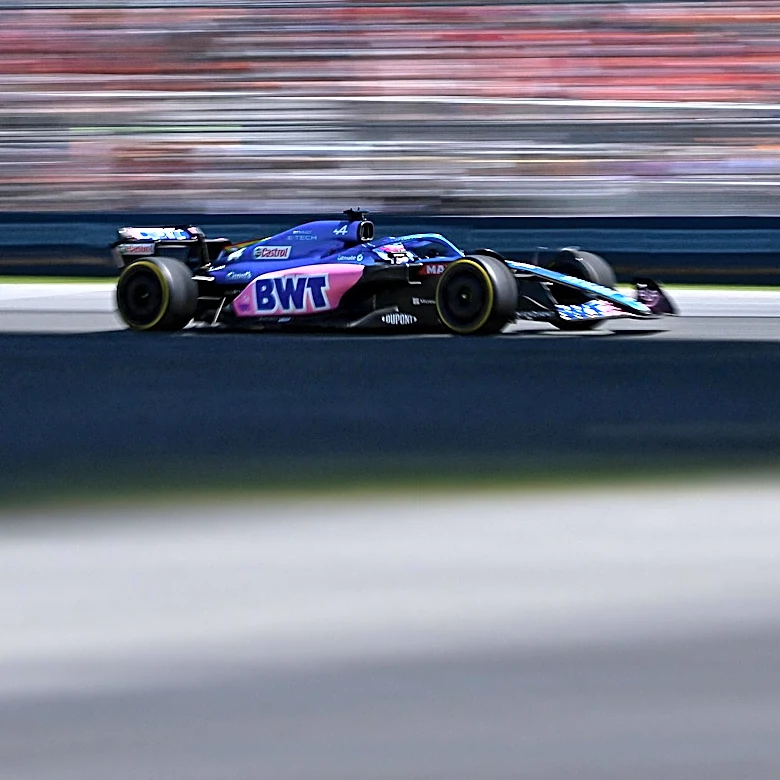
Formula 1 driver Franco Colapinto of Alpine faced a controversial penalty at the Mexico Grand Prix, resulting in him losing points despite finishing eighth. Colapinto was initially in a points-scoring position, but a post-race decision by race stewards
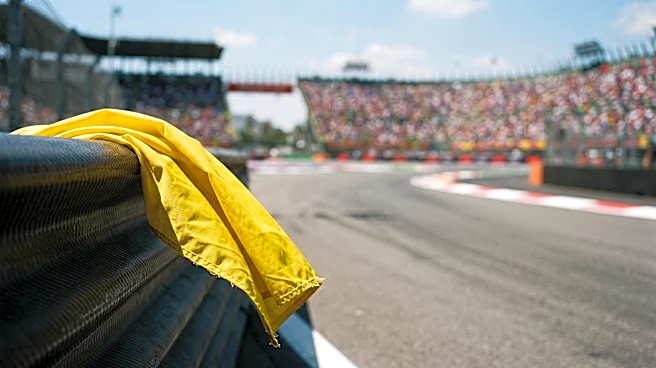
imposed a 10-second time penalty and one penalty point on his Superlicence. The penalty was issued for not reducing speed sufficiently under a single yellow flag sector, which occurred following an incident involving Oscar Piastri and Arvid Lindblad. This decision relegated Colapinto to 15th place, effectively nullifying his performance and leaving Alpine without points from either car, as his teammate Pierre Gasly also received a penalty for a similar infraction. This marks the third such penalty for Colapinto this year related to yellow flag infringements, bringing his total penalty points to five within the last 12 months.
Why It's Important?
This penalty highlights a significant issue within Formula 1 regulations concerning yellow flag procedures, specifically the subjective interpretation of what constitutes 'sufficient' speed reduction. The lack of a clear, quantitative guideline for drivers and stewards creates a 'gray area' that can lead to inconsistent rulings and frustration among teams and drivers. For Alpine, the loss of points is a substantial blow in the Constructors' Championship, impacting their financial standing and competitive position against rivals like Racing Bulls. For Colapinto, accumulating penalty points on his Superlicence puts him closer to a potential race ban if he reaches 12 points within a 12-month period, which could severely hinder his burgeoning F1 career. The incident also raises questions about fairness and consistency in stewarding decisions, especially when compared to other drivers who may have committed similar infractions without penalty.
What's Next?
Alpine may consider exercising their 'Right of Review' to challenge the penalty, though this requires presenting new, significant, and relevant evidence not available during the initial decision. The team has successfully used this mechanism in the past, as seen with Pierre Gasly's overturned penalties in Monaco. However, simply disagreeing with the interpretation or resubmitting existing telemetry will not suffice. The FIA may face increased pressure to clarify or standardize the yellow flag speed reduction rules to avoid future controversies and ensure more consistent application across all drivers. For Colapinto, he will need to be exceptionally cautious in upcoming races to avoid further penalty points that could lead to a race suspension, which would be a significant setback for his career trajectory in Formula 1.
Beyond the Headlines
The recurring nature of penalties for yellow flag infringements, particularly for drivers like Colapinto, points to a deeper systemic issue within Formula 1's regulatory framework. The subjective nature of the rules places immense pressure on drivers to make instantaneous, nuanced judgments under high-speed conditions, while also leaving significant room for interpretation by stewards. This ambiguity can undermine the perceived fairness of the sport and lead to accusations of bias or inconsistency. Beyond the immediate impact on points and championship standings, such incidents can affect driver morale, team strategy, and the overall integrity of race outcomes. A more objective and clearly defined set of guidelines for speed reduction under yellow flags, perhaps incorporating specific delta times or speed limits for affected sectors, could enhance safety, reduce controversy, and ensure a more equitable competitive environment.