





What's Happening?
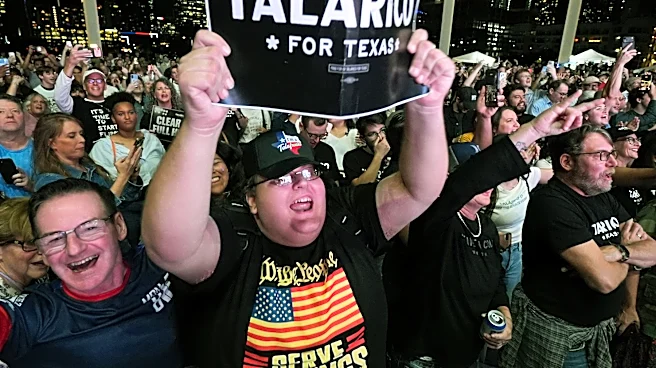
Austin, Texas, known as the 'Live Music Capital of the World,' experiences peak travel seasons during its numerous festivals and events, including the South by Southwest (SXSW) festival and the Austin City Limits Music Festival. These events, alongside
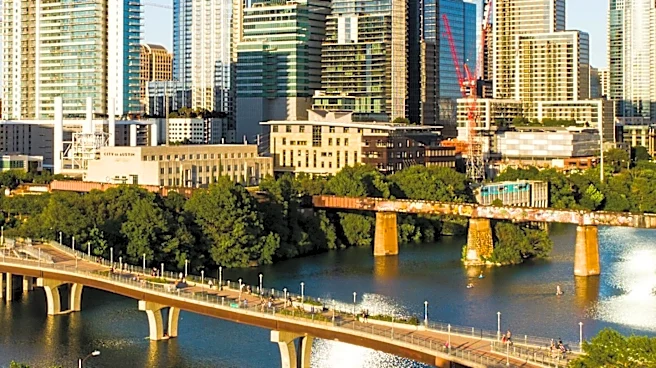
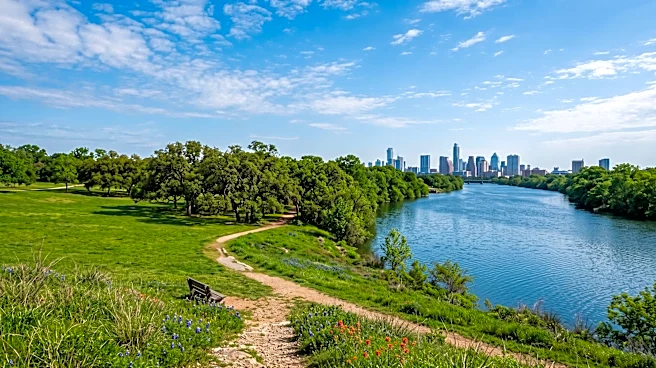
the Formula 1 weekend at the Circuit of the Americas, significantly impact local traffic and vehicle availability. The city's appeal is further enhanced by its vibrant music scene, diverse neighborhoods, and outdoor activities around Lady Bird Lake and Zilker Metropolitan Park. The best times to visit Austin are generally during spring (March to May) and fall (September to November) when the weather is warm and major events are in full swing. Summer months (June to August) are hot but suitable for water activities, while winter (December to February) offers mild weather for exploring cultural attractions.
Why It's Important?
The concentration of major festivals and events in Austin, particularly SXSW, has a substantial economic impact on the city's tourism and hospitality sectors. These events draw large numbers of visitors, leading to increased demand for flights, accommodations, and local services. The influx of tourists during peak seasons supports local businesses, from boutique shops and eateries in South Congress to iconic music venues like the Continental Club. However, this high demand also creates challenges, such as increased traffic congestion and limited availability of transportation services, necessitating advance planning for visitors and residents alike. The city's 'Keep Austin Weird' motto reflects its unique cultural identity, which is a significant draw for these events and contributes to its economic vitality.
What's Next?
Visitors planning to attend future events like SXSW or the Formula 1 weekend in Austin should anticipate continued high demand for travel and accommodation. Booking flights and car services well in advance, potentially several months ahead, will be crucial to secure availability and avoid higher prices. Local transportation providers will likely continue to advise early reservations due to the significant impact these events have on traffic and vehicle supply. The city's infrastructure will continue to be tested by the growing popularity of these festivals, potentially leading to ongoing discussions about managing traffic flow and public transportation options during peak times.
Beyond the Headlines
Austin's success as a festival hub highlights a broader trend in urban development where cities leverage cultural events to boost their economies and enhance their global profiles. The 'Live Music Capital of the World' branding is not just a marketing slogan but a reflection of a deeply embedded cultural identity that attracts both talent and tourism. This model, while economically beneficial, also raises questions about sustainable growth, gentrification, and the preservation of local character amidst increasing commercialization. The balance between accommodating large-scale events and maintaining the city's unique charm and quality of life for its residents remains a continuous challenge.