






What's Happening?
The global last-mile delivery vehicles market is experiencing significant growth, projected to increase from $107.26 billion in 2025 to $120.42 billion in 2026, at a compound annual growth rate (CAGR) of 12.3%. This expansion is primarily driven by the
rapid growth of e-commerce, increasing urbanization, and a rising consumer demand for faster deliveries, which are reshaping logistics networks. The market is further expected to reach $188.46 billion by 2030, with an 11.8% CAGR. Key drivers for this future growth include the demand for micro-delivery fleets, modular cargo configurations, lightweight vehicle designs, and low-maintenance transportation options. The need for scalable urban delivery capacity is also supporting investments in vehicles designed for frequent, short-distance operations. According to the U.S. Census Bureau, total U.S. retail e-commerce sales hit $1.19 trillion in 2024, an 8.1% increase from 2023, indicating sustained demand for efficient last-mile transportation.
Why It's Important?
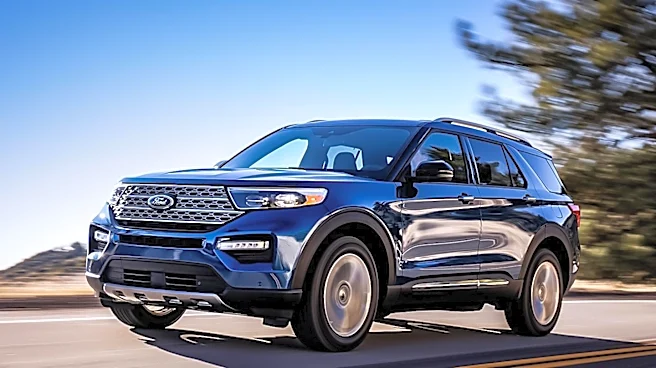
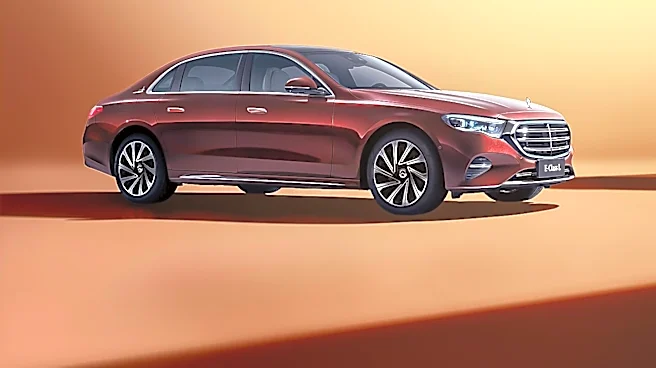
The robust growth in the last-mile delivery vehicles market is crucial for U.S. industries, particularly retail, logistics, and automotive sectors. The increasing reliance on e-commerce means that businesses must continuously expand and modernize their delivery capabilities to meet consumer expectations for speed and reliability. This trend directly impacts logistics providers and fleet operators, who are investing in new vehicles and technologies to optimize urban distribution networks. The shift towards electric and purpose-built delivery vehicles also signifies a broader move towards sustainability and efficiency in urban logistics, affecting automotive manufacturers like Toyota, Volkswagen, Ford, and Mercedes-Benz, who are accelerating their electric and autonomous fleet developments. Companies that adapt to these changes by adopting advanced delivery solutions stand to gain market share, while those that lag may face competitive disadvantages due to higher operational costs and slower delivery times.
What's Next?
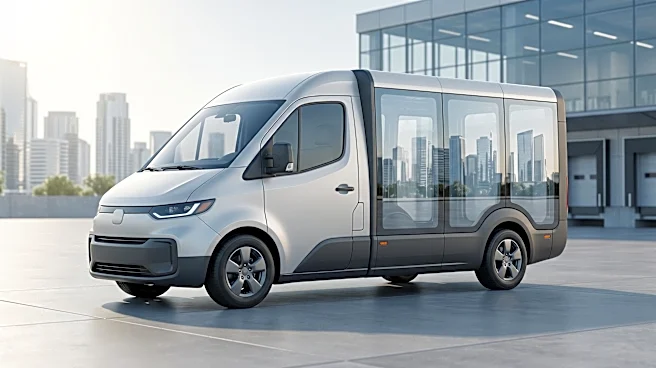
The market is anticipated to see continued innovation in vehicle design, with a focus on compact, maneuverable, and purpose-built urban delivery vehicles. There will be an accelerated adoption of electric vehicles (EVs) within delivery fleets, driven by the pursuit of lower emissions, reduced maintenance requirements, and improved urban logistics performance. Logistics providers, retailers, and fleet operators will likely continue to invest in technologies that enhance route planning, fleet visibility, and overall vehicle performance. This will also lead to increased demand for infrastructure supporting EV charging and maintenance. The emphasis on optimizing cargo capacity and flexible configurations will likely spur further research and development in vehicle technology, aiming to support frequent stops and reduce operating expenses in dense urban environments.
Beyond the Headlines
The expansion of the last-mile delivery market has deeper implications beyond economic growth. It contributes to urban planning challenges, including increased traffic congestion and the need for more efficient urban infrastructure. The rise of electric delivery vehicles, while beneficial for reducing emissions, also necessitates significant investment in charging infrastructure and grid capacity. Furthermore, the demand for faster deliveries and on-demand services could lead to changes in labor markets, potentially increasing the need for delivery drivers and associated support staff, while also raising questions about working conditions and compensation in the gig economy. The integration of autonomous fleets in the future could further disrupt these labor dynamics, posing ethical and regulatory questions about job displacement and public safety.