






What's Happening?
Modern goth music, spanning from 1995 to 2025, has seen a significant revival, characterized by the emergence of darkwave and industrial-influenced subgenres. This resurgence is detailed in a ranking of the best modern goth songs, which highlights three
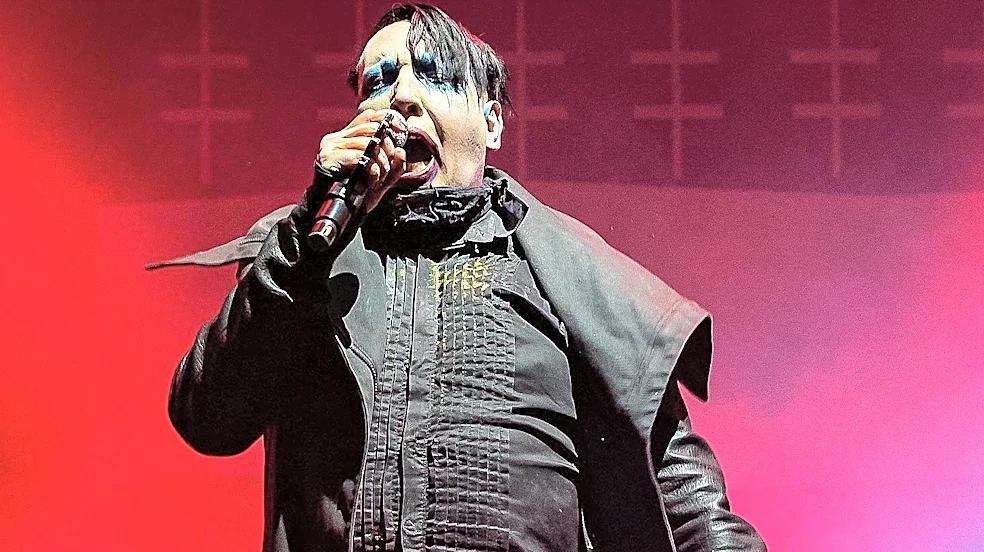
distinct eras: the industrial-goth 90s, the club-oriented 2000s, and the darkwave revival of the 2010s and 2020s. Artists like Type O Negative, Marilyn Manson, Nine Inch Nails, and Molchat Doma are cited as key figures in shaping this evolving sound. The list emphasizes how the genre adapted after the mid-1990s, moving from guitar-led goth rock to more electronic and synth-driven styles, with a notable global reach through viral hits like Molchat Doma’s 'Sudno.'
Why It's Important?
This modern goth revival holds significant implications for the U.S. music industry and cultural landscape. The renewed interest in darkwave and industrial sounds can lead to increased sales for both new artists and legacy acts, impacting record labels, streaming services, and concert promoters. The viral success of bands like Molchat Doma demonstrates how digital platforms, such as TikTok, can democratize music discovery and propel niche genres into mainstream consciousness, creating new revenue streams and expanding fan bases. This trend also influences fashion and subculture, as the aesthetic associated with goth music often translates into broader style trends. For artists, it signifies a fertile ground for creative expression, blending historical influences with contemporary production techniques.
What's Next?
The ongoing revival of modern goth music suggests a continued evolution and expansion of the genre. Future developments may include more collaborations between artists from different goth subgenres, further integration of electronic elements, and increased representation in mainstream media. Music festivals and venues might dedicate more space to goth and darkwave acts, catering to a growing audience. The influence of social media platforms in breaking new artists within this genre is likely to persist, leading to more diverse and internationally recognized acts. Additionally, academic and cultural analyses of goth music may explore its contemporary relevance and its role in reflecting societal moods and anxieties.
Beyond the Headlines
The modern goth revival, particularly the rise of darkwave, delves into deeper cultural and psychological implications. It reflects a societal fascination with melancholia, introspection, and the darker aspects of human experience, offering an artistic outlet for these sentiments. The genre's emphasis on atmospheric sounds and often somber themes can provide a sense of community and understanding for individuals who feel marginalized or disconnected. Furthermore, the global reach of bands like Molchat Doma, with their Russian-language lyrics, highlights the universal appeal of emotional expression through music, transcending linguistic and cultural barriers. This revival underscores music's enduring power to articulate complex emotions and foster a sense of belonging within distinct subcultures.