



What's Happening?
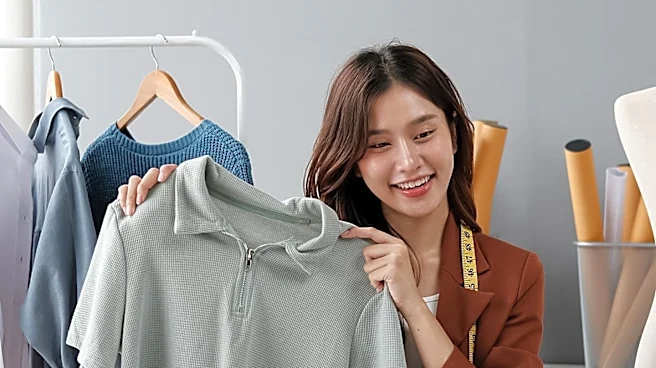
UniversalClass is providing online courses focused on fashion and personal style. These courses delve into various aspects of the fashion world, ranging from influential designers and global trends to sustainable choices and everyday styling. Participants
will learn to recognize quality in garments, understand fit and fabrics, and explore the origins and properties of different materials. The curriculum also covers enhancing outfits with accessories, the powerful communication of color in personal expression, and tailoring wardrobes to suit individual body types. A significant component of the courses emphasizes sustainability through eco-friendly materials and mastering various dress codes, including smart casual.
Why It's Important?
These online fashion courses from UniversalClass are important for U.S. consumers and the fashion industry as they democratize access to fashion education. By offering insights into sustainable choices and eco-friendly materials, the courses contribute to a growing awareness of ethical consumption within the U.S. market, potentially influencing consumer purchasing habits towards more environmentally responsible brands. For individuals, understanding personal style and quality can lead to more informed purchasing decisions, reducing fast fashion consumption and promoting a more curated wardrobe. For aspiring fashion professionals or small business owners, these courses provide foundational knowledge without the high cost or time commitment of traditional fashion schools, potentially fostering new talent and innovation in the U.S. fashion landscape. The emphasis on recognizing quality and understanding fabrics can also empower consumers to demand higher standards from retailers.
What's Next?
The availability of such online courses suggests a continued trend towards accessible, specialized education in lifestyle and creative fields. UniversalClass may expand its offerings to include more advanced topics or niche areas within fashion, such as fashion technology or specific design techniques. The success of these courses could also encourage other educational platforms to develop similar programs, increasing competition and potentially driving down costs for consumers. As more individuals become educated on sustainable fashion practices, there could be a ripple effect on the U.S. fashion industry, pushing brands to adopt more transparent and ethical production methods. Furthermore, the skills acquired could lead to a more discerning consumer base, impacting marketing strategies and product development for fashion retailers.
Beyond the Headlines
The proliferation of online fashion and style courses reflects a broader cultural shift towards self-improvement and personal branding in the U.S. In an increasingly visual and social media-driven society, understanding and cultivating personal style has become more than just a superficial pursuit; it's a form of self-expression and a tool for professional and social advancement. These courses tap into a desire for authenticity and individuality, moving beyond fleeting trends to foster a deeper understanding of fashion's artistry and its connection to identity. The focus on sustainability also highlights a growing societal consciousness about the environmental and social impact of consumer choices, positioning fashion education as a means to promote responsible citizenship. This trend suggests a future where personal style is not just about aesthetics but also about values and informed decision-making.