





What's Happening?
Archival shoes are emerging as a significant trend in fashion, with brands actively re-releasing vintage footwear styles. This phenomenon is exemplified by Miu Miu's recent Bubble Sneaker release, which revives an early-2000s design blending utilitarian
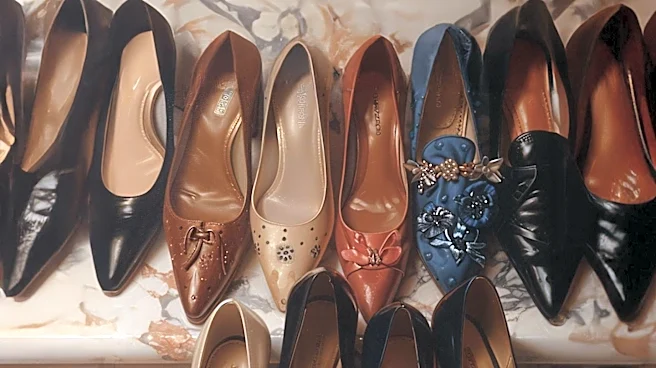
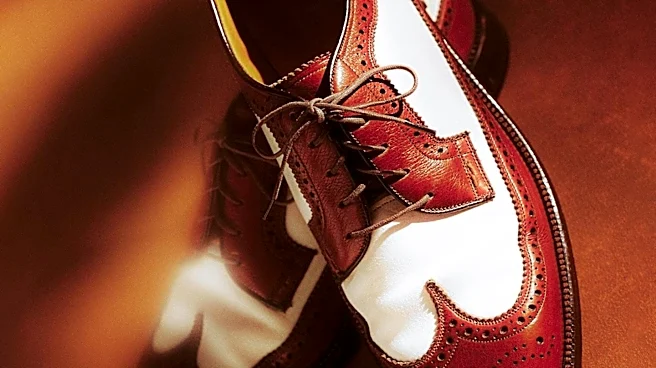
gorpcore soles with sleek aesthetics and crystal embellishments. Similarly, Chloé is reintroducing its Maxime platform wedge, originally designed by Phoebe Philo in 2006, and the Y2K-era Susanna boot. This movement mirrors the past trend of archive-mining in handbags, such as Fendi Baguettes and YSL Mombasas. The current fashion landscape, characterized by a mix of eras and a lack of a single new aesthetic, positions shoes as a crucial finishing touch. Valerie Steele, director and chief curator of the Museum at the Fashion Institute of Technology, notes that 'art shoes' provide a sense of identity and artistic expression, contrasting with handbags which are often perceived as more mercantile. This renewed focus on shoes as a topical accessory, combined with a broader interest in collecting vintage items, creates a fertile ground for archival revivals.
Why It's Important?
The resurgence of archival footwear signifies a broader shift in consumer preferences and fashion industry strategies. For consumers, it offers an opportunity to express individuality and acquire unique items in a market saturated with mass-produced goods. The desire for 'special and different' products, as highlighted by Valerie Steele, drives this trend, allowing individuals to stand out. For the fashion industry, this trend provides a sustainable approach by re-monetizing past designs and leveraging brand heritage. It also caters to a growing segment of consumers who are uncomfortable buying pre-owned vintage shoes but desire the aesthetic, as noted by shoe influencer Lars Byrresen Petersen. This allows brands to tap into the vintage market without the challenges associated with second-hand sales. The emphasis on shoes as the primary accessory over handbags could also lead to increased investment in footwear design and marketing, potentially shifting market dynamics and influencing accessory trends across the U.S. fashion retail sector.
What's Next?
The trend of archival footwear re-releases is expected to continue and potentially expand across more brands and product categories. Fashion houses will likely delve deeper into their archives, bringing back iconic or cult-favorite shoe designs to meet consumer demand for unique and historically significant items. This could lead to a more cyclical fashion calendar, where past trends are continuously reinterpreted and reintroduced. We may also see an increase in collaborations between contemporary designers and historical archives, further blurring the lines between vintage and new. Retailers will need to adapt their merchandising strategies to highlight these archival pieces, potentially creating dedicated sections or marketing campaigns around 're-issued' or 'heritage' collections. Furthermore, the success of these re-releases could influence other sectors of the fashion industry, prompting similar archival revivals in clothing and other accessories, as brands seek to capitalize on nostalgia and the desire for distinctiveness.
Beyond the Headlines
This trend reflects a deeper cultural phenomenon: the 'referential era' in fashion, where there isn't one singular, new aesthetic, but rather a continuous reinterpretation and blending of past styles. This approach challenges the traditional notion of constant novelty in fashion, suggesting a more sustainable and circular model where value is found in history and re-contextualization. The emphasis on shoes as a form of self-expression, rather than just a functional item, also highlights a shift in how consumers view and invest in their personal style. The discomfort some consumers feel with truly vintage shoes, as mentioned by Lars Byrresen Petersen, points to a psychological aspect of consumption – the desire for the 'new' while still appreciating the 'old.' This creates a unique market niche for brands to fill with 'new vintage' items. Ultimately, this trend could foster a greater appreciation for fashion history and craftsmanship, encouraging consumers to invest in pieces with enduring design rather than fleeting trends.