




What's Happening?
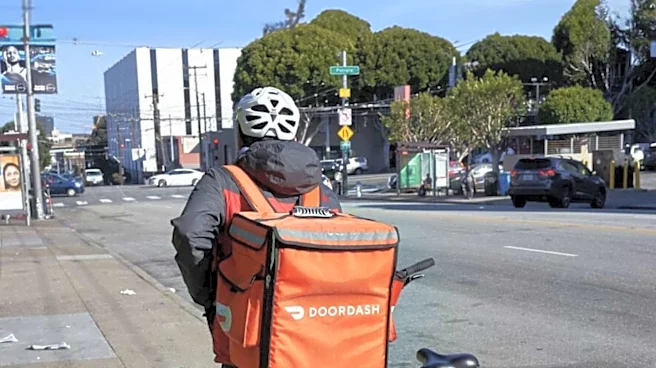
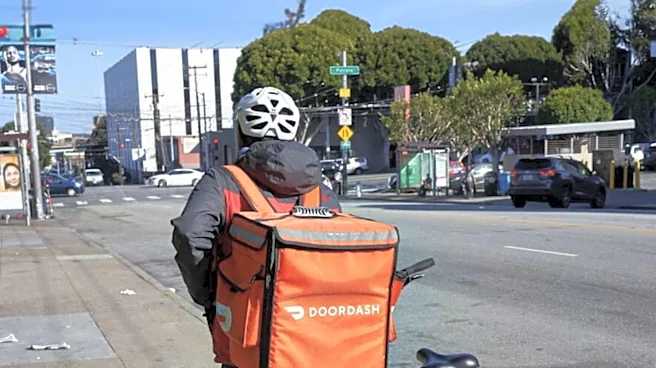
DoorDash CEO Tony Xu has commented on the proposed merger between DoorDash and Instacart, suggesting it will lead to faster delivery and more affordable prices for consumers. This perspective contrasts with concerns raised by some industry experts and groups,
such as the United Food and Commercial Workers International Union, who fear the merger could reduce competition and drive up grocery prices. Antitrust lawyers, including Barry Barnett from Susman Godfrey, also indicate that a reduction in consumer choice could result in higher costs. Instacart's Chief Commercial Officer, Ryan Hamburger, supports Xu's view, emphasizing that combining services will create efficiencies and lower delivery costs through increased scale. Instacart has a strategy of price parity, aiming to match online prices with in-store prices, which reportedly boosts online sales for retailers by 10 percentage points. DoorDash also prioritizes affordability and consistent pricing across platforms to attract budget-conscious customers.
Why It's Important?
This potential merger holds significant implications for the U.S. e-commerce and grocery delivery sectors, directly affecting consumers' grocery budgets. If the merger leads to reduced competition, as some experts predict, it could result in higher prices for online grocery orders, impacting families who rely on these services. Conversely, if DoorDash and Instacart's claims of increased efficiency and lower costs materialize, consumers could benefit from more affordable and faster delivery options. Retailers could also see changes in their online sales growth, depending on how pricing strategies evolve post-merger. The outcome will determine whether the market consolidates to the detriment of consumer choice or if operational efficiencies translate into tangible benefits for shoppers and businesses alike. The debate highlights the ongoing tension between market consolidation and consumer welfare in the rapidly expanding online grocery market.
What's Next?
The proposed merger between DoorDash and Instacart will likely face scrutiny from regulatory bodies to assess its potential impact on market competition and consumer prices. Industry experts will continue to debate whether the consolidation will lead to price increases due to reduced choice or price decreases due to enhanced efficiency. Consumers should monitor developments closely, as their online grocery bills could be directly affected. Retailers will also need to adapt their strategies based on the evolving landscape of online delivery services. The resolution of this merger will set a precedent for future consolidations in the e-commerce sector, influencing how delivery services operate and how consumers access essential goods.
Beyond the Headlines
The discussion surrounding the DoorDash and Instacart merger extends beyond immediate price changes, touching upon broader themes of market power, consumer access, and the future of e-commerce. The potential for a single dominant entity in the grocery delivery space raises questions about long-term innovation, data privacy, and the treatment of gig economy workers. If the merger proceeds, it could accelerate the shift towards online grocery shopping, further integrating digital platforms into daily life. The ethical implications of reduced competition, particularly for vulnerable populations who rely on delivery services, will also be a critical consideration. This event underscores the ongoing challenge for regulators to balance fostering innovation and efficiency with protecting consumer interests and maintaining a competitive marketplace in the digital age.