



What's Happening?
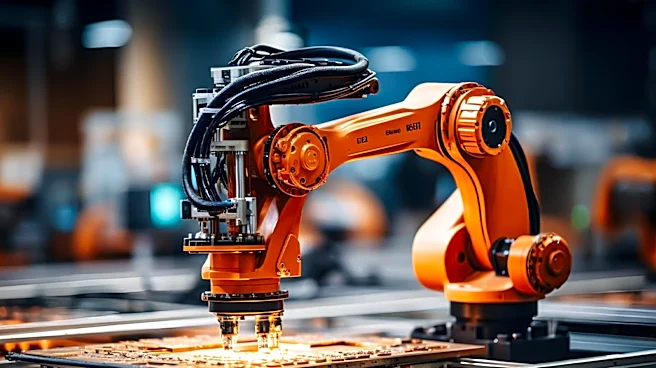
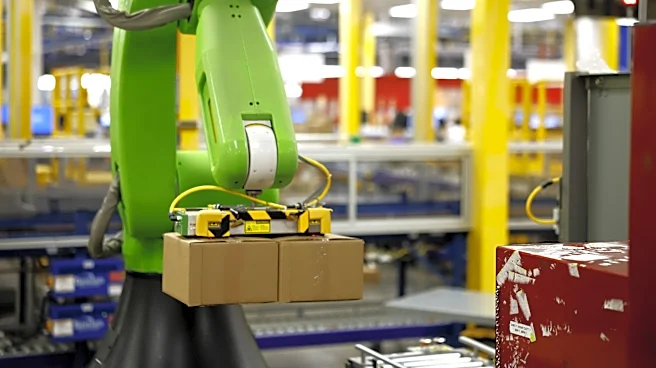
Robotic packaging solutions are revolutionizing industrial automation by integrating robotics, controls, and specialized tools to automate material handling within production lines. These systems are capable of picking up, packing, inspecting, and transporting
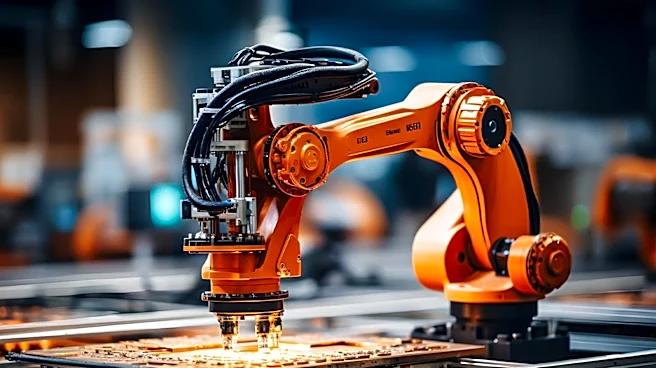
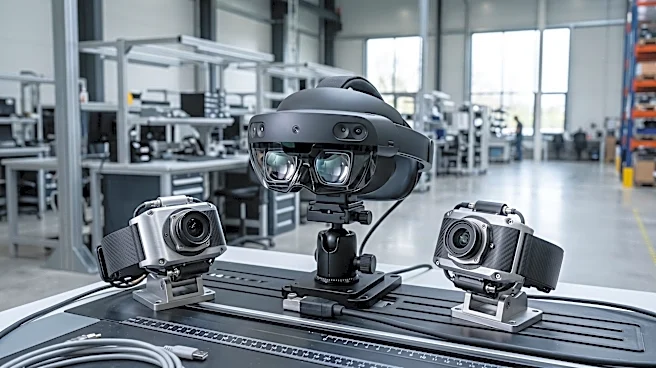
products with enhanced speed and precision. Vision systems are often incorporated for product recognition and quality inspections. Key components include various robot types like Delta robots for high-speed picking, SCARA robots for rapid horizontal movements, and six-axis articulated robots for complex tasks. Collaborative robots are also used, though their operating speed might not suit all high-speed applications. Industries such as food, pharmaceutical, and consumer goods are increasingly adopting these technologies to improve efficiency, reduce labor costs, and ensure product quality. For instance, a robot in a pouch-loading cell achieved over 30 picks per minute, significantly surpassing manual operator rates.
Why It's Important?
The widespread adoption of robotic packaging solutions is critical for U.S. industries seeking to enhance competitiveness and address labor challenges. By automating repetitive and physically demanding tasks, companies can significantly increase throughput, reduce errors, and improve workplace safety. This shift allows human workers to focus on more complex, value-added activities. The precision and consistency offered by robots are particularly beneficial in sensitive sectors like pharmaceuticals and food processing, where hygiene and quality control are paramount. Economically, these solutions can lead to substantial cost savings through reduced labor expenses, minimized product damage, and optimized production cycles. The ability of a single robot to handle multiple product sizes and SKUs with adaptable tooling also offers flexibility, making automation accessible to a wider range of manufacturers and product lines.
What's Next?
The trend towards integrating robotic packaging solutions is expected to accelerate, driven by ongoing advancements in robotics and AI. Future developments will likely focus on improving robot adaptability, enhancing vision system capabilities for more complex inspections, and further integrating AI for predictive maintenance and optimized operational planning. Companies will continue to evaluate the return on investment, with payback periods often targeted between 24-36 months, depending on factors like labor costs, product variety, and system complexity. The industry will also see increased emphasis on designing robotic cells that meet stringent hygiene and safety standards, particularly in food and pharmaceutical applications. As technology evolves, collaborative robots may overcome current speed limitations, expanding their utility in high-speed packaging environments and fostering more seamless human-robot interaction on the factory floor.
Beyond the Headlines
Beyond the immediate operational benefits, the proliferation of robotic packaging solutions has deeper implications for the industrial workforce and manufacturing philosophy. The automation of tasks traditionally performed by humans necessitates a re-evaluation of labor roles, emphasizing skills in robot programming, maintenance, and oversight. This shift could lead to a demand for a more technically skilled workforce and potentially impact employment patterns in manufacturing. Ethically, the balance between efficiency gains and job displacement will remain a key consideration for policymakers and businesses. Culturally, the increasing presence of robots in factories could reshape perceptions of manufacturing work, moving it towards a more technologically advanced and less physically demanding domain. Long-term, this evolution in industrial automation could contribute to the reshoring of manufacturing to the U.S., as the reliance on low-cost labor diminishes in favor of automated efficiency.