






What's Happening?
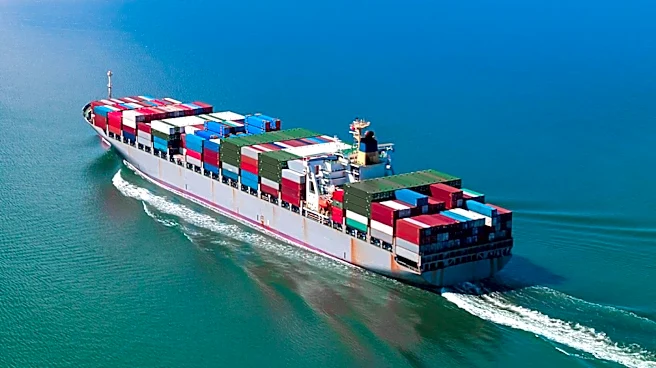
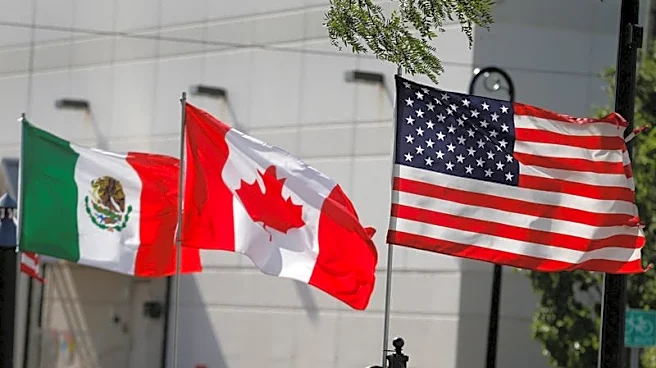
The U.S. manufacturing sector is facing potential shifts due to uncertainty surrounding the United States-Mexico-Canada Agreement (USMCA) and discussions of new tariffs on imports. This situation presents both challenges and opportunities for domestic
manufacturing stocks. Companies like Core Molding Technologies, Power Solutions International, and Limbach Holdings are positioned to potentially benefit from a trend towards onshoring, as businesses reconsider cross-border supply chains. Core Molding Technologies, for instance, supplies lightweight composite parts crucial for domestic manufacturers, while Power Solutions International focuses on gaseous-fueled engines that could reduce reliance on overseas suppliers. Limbach Holdings is shifting towards higher-margin service work, which could be advantageous as tariff uncertainties prompt accelerated decisions on energy-efficient systems.
Why It's Important?
The potential realignment of trade policies and the emphasis on onshoring could significantly impact U.S. industries. Companies that adapt to these changes may see increased demand for their products and services, potentially leading to growth in the domestic manufacturing sector. However, these opportunities come with risks, such as financial strains from external borrowing and execution challenges. The broader economic implications include potential shifts in supply chain strategies, which could affect pricing, availability of goods, and overall economic stability. Investors and businesses must navigate these complexities to capitalize on emerging opportunities while mitigating associated risks.
What's Next?
As the U.S. continues to engage with Mexico and Canada to address USMCA's shortcomings, businesses and investors will closely monitor developments. The outcome of these negotiations could influence future trade policies and tariffs, impacting manufacturing strategies and investment decisions. Companies may need to adjust their operations to align with new trade norms, potentially leading to increased domestic production and changes in supply chain dynamics. Stakeholders will likely advocate for policies that support domestic growth while balancing international trade relationships.