

What's Happening?
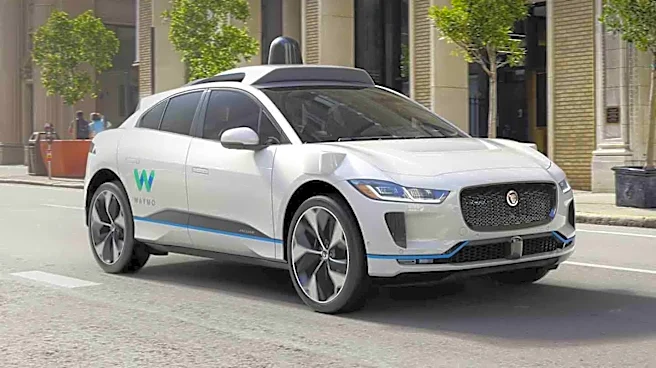
Waymo, Alphabet's autonomous ride-hailing service, has imported 3,200 Chinese-built electric vehicles (EVs) from Zeekr through the Port of Los Angeles since 2024, with 2,600 units arriving this year alone. These vehicles, known as the Ojai model by Waymo and
CM1e in China, are specifically designed to expand Waymo's robotaxi fleet in major U.S. cities such as San Francisco, Los Angeles, and Phoenix. This significant importation occurs despite a substantial 127.5% tariff tax imposed by the U.S. on Chinese EVs, which effectively more than doubles the price of a single vehicle upon its entry into the country. An Ojai robotaxi, estimated to cost $38,000 before tariffs, sees its price skyrocket to approximately $86,500 after the tariffs are applied. With an additional estimated $25,000 for hardware and software installation, the total cost per unit exceeds $100,000. However, this cost is still considered more economical than retrofitting Waymo's existing Jaguar I-Pace robotaxis, which can cost upwards of $200,000 to adapt with autonomous technology.
Why It's Important?
Waymo's strategic decision to absorb substantial tariffs to import Chinese-built EVs highlights the intense competition and underlying cost pressures within the rapidly evolving autonomous vehicle industry. For U.S. consumers and the domestic automotive sector, this move indicates that even with significant trade barriers in place, Chinese manufacturing can offer compelling cost advantages for specialized applications like robotaxis. It also underscores the pragmatic strategic choices U.S. technology companies are making to scale their operations efficiently, even if it means navigating complex international trade policies and incurring high import duties. The tariffs are primarily designed to protect the domestic auto industry and encourage local production, but Waymo's actions suggest that for specific technological niches, the cost-benefit analysis still favors foreign imports, especially when domestic alternatives for purpose-built autonomous vehicles are more expensive to develop or adapt. This situation could spark broader debate about the effectiveness of current tariff policies in fostering domestic production for emerging, high-tech industries.
What's Next?
Waymo plans to deploy thousands of Ojai robotaxis by the end of the year, integrating them with its proprietary Waymo Driver system, the sixth iteration of its autonomous driving technology. The success of this large-scale deployment will be crucial in determining the long-term viability and cost-effectiveness of Waymo's strategy of importing tariff-laden vehicles. If the Ojai fleet proves to be both cost-efficient and scalable in operation, it could establish a precedent for other U.S. autonomous vehicle companies to consider similar sourcing strategies, potentially leading to increased imports of Chinese-built components or vehicles despite existing tariffs. Conversely, if the operational costs, regulatory hurdles, or public reception prove challenging, Waymo might be compelled to re-evaluate its supply chain and manufacturing approach. The situation could also prompt U.S. policymakers to review the impact of tariffs on advanced technology sectors, balancing protectionist goals with the imperative for innovation and cost efficiency in a global market.
Beyond the Headlines
This development reveals a fundamental tension between U.S. trade policy, which aims to protect domestic industries and jobs, and the realities of globalized supply chains essential for rapid technological advancement. While tariffs are intended to make foreign goods less competitive, Waymo's detailed cost calculation suggests that the technological maturity and manufacturing efficiencies of Chinese EV production, even with the added burden of tariffs, can still offer a superior value proposition for specific applications. This raises profound questions about the future of manufacturing in the autonomous vehicle space and whether U.S. companies will increasingly rely on international partners for hardware while concentrating their efforts on software and artificial intelligence development. It also highlights the evolving nature of trade dynamics, where companies find innovative ways to adapt and operate around policy barriers, potentially shifting the focus of protectionist measures from finished goods to critical components or intellectual property.