



What's Happening?
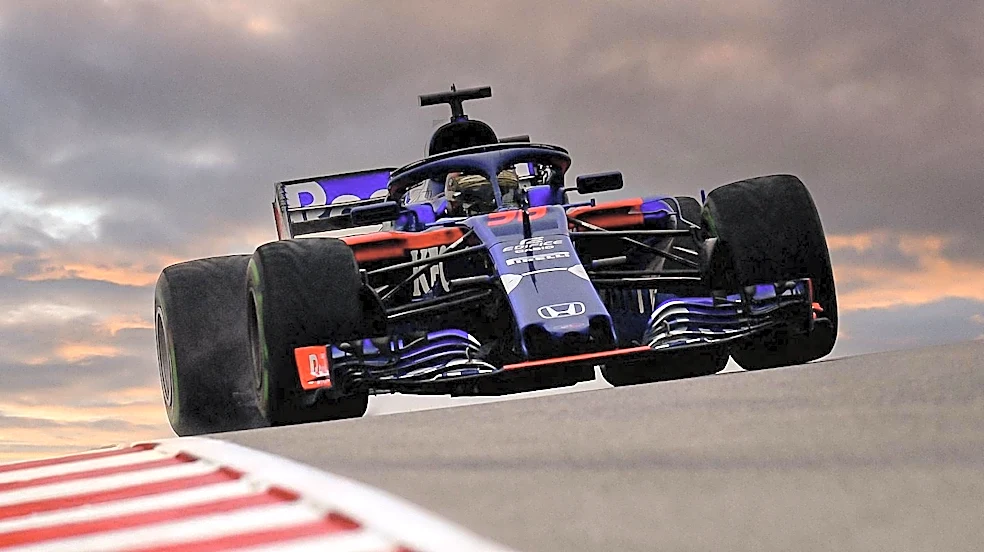
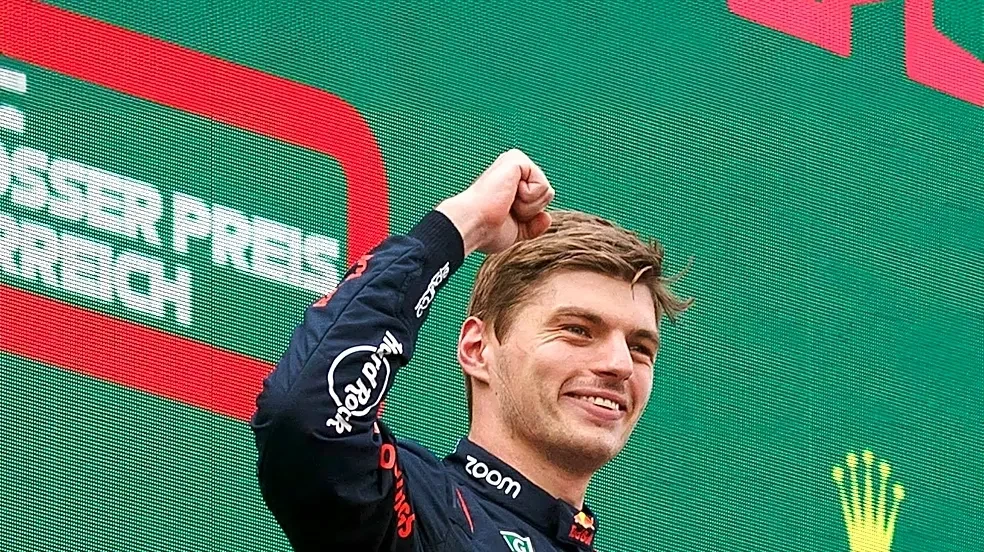
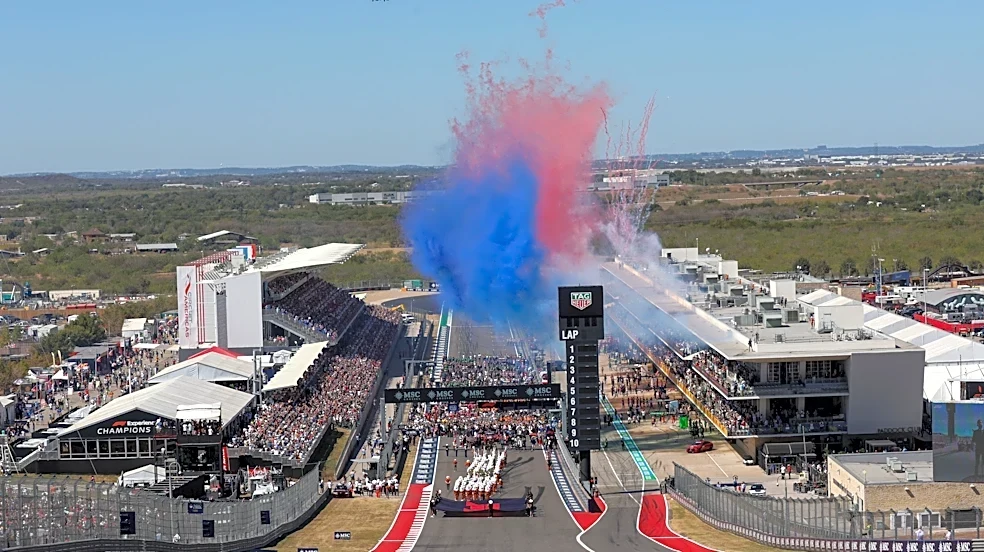
During the 2017 United States Grand Prix, Max Verstappen had his third-place podium finish revoked after a post-race penalty. Verstappen, who started 16th on the grid, made a daring last-lap pass at Turn 17 to secure third position. However, the F1 stewards
ruled that he had gained a lasting advantage by running all four wheels beyond the track limits during the overtake. This decision came so late that Verstappen was pulled from the cooldown room, where the top three drivers gather before the podium ceremony, to make way for Kimi Räikkönen, who was then awarded third place. The five-second penalty dropped Verstappen to fourth in the official race results. This incident marked a dramatic and uncomfortable moment in Formula 1, echoing a similar situation at the 2016 Mexican Grand Prix where Verstappen also lost a podium position post-race.
Why It's Important?
This incident highlights the critical role of track limits regulations and the authority of race stewards in Formula 1. The decision to penalize Verstappen, despite the excitement of a last-lap overtake, underscored the strict adherence to rules designed to ensure fair competition and prevent drivers from gaining an unfair advantage. The timing of the penalty, occurring after Verstappen had already entered the cooldown room, brought significant attention to the process of post-race adjudication and its immediate impact on drivers and teams. It also sparked debate among fans and pundits about the consistency and application of such rules. For Verstappen, it was a memorable, albeit frustrating, moment in his early career, demonstrating the fine line between audacious driving and rule infringements. The event served as a stark reminder that race results are not final until officially confirmed by the stewards, even after the checkered flag.
What's Next?
While this event occurred in 2017, its legacy continues to influence discussions around track limits and race officiating in Formula 1. The incident contributed to ongoing efforts by the FIA to refine and clarify track limits rules, often leading to more stringent enforcement and technological solutions to monitor compliance. For drivers, it reinforces the need for precision and awareness of track boundaries, especially in critical moments of a race. The dramatic nature of the revocation also serves as a cautionary tale for teams and drivers regarding premature celebrations. In the broader context of Formula 1, such incidents contribute to the sport's narrative, creating memorable moments that are revisited in discussions about racing history and the evolution of regulations. The focus on consistent and transparent stewarding remains a priority for the sport's governing bodies.
Beyond the Headlines
The revocation of Max Verstappen's podium finish in 2017 delves into the ethical and sporting integrity aspects of Formula 1. It raises questions about the balance between allowing aggressive, exciting racing and maintaining strict adherence to rules. The public nature of Verstappen being removed from the cooldown room also highlighted the human element of racing, showcasing the immediate emotional impact of such decisions on athletes. This incident, along with others, has contributed to a continuous dialogue within Formula 1 about how best to officiate races, ensuring fairness while preserving the spectacle. It also underscores the power dynamics between drivers, teams, and the governing body, where the final say rests with the stewards. The event became a significant talking point, shaping perceptions of Verstappen's driving style and the sport's regulatory framework for years to come.