








What's Happening?
BC Hydro has announced changes to its net metering policy, transitioning from the old Rate Schedule 1289 to a new Rate Schedule 2289. This change, effective July 1, 2026, will affect new self-generation customers by compensating excess generation at 10¢/kWh
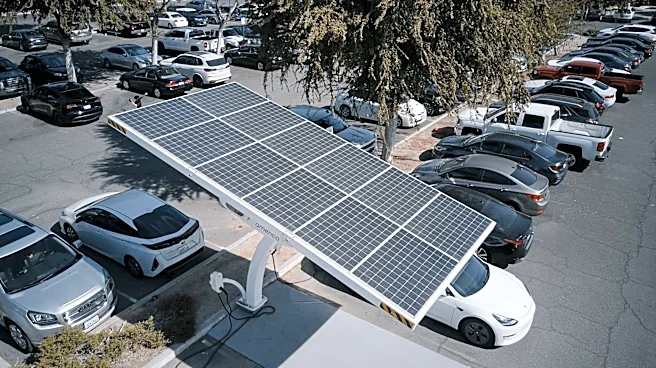
during the billing cycle instead of banking it as future kWh credits. Existing net-metering customers will have a transition period, and a community generation option has been introduced. The shift marks a move from passive export credits to paid flexibility, encouraging households to use their solar power more dynamically. This includes exporting when useful, shifting electric vehicle charging away from peak times, and utilizing battery storage when the grid requires it.
Why It's Important?
The change in BC Hydro's net metering policy reflects a broader trend in energy management, emphasizing the need for flexibility in electricity services. As solar penetration increases, utilities face distribution constraints and require more active participation from consumers to manage grid stress. This policy shift aims to incentivize self-consumption and storage, potentially altering installer economics, financing assumptions, and customer paybacks. By moving towards paid flexibility, BC Hydro is aligning with global trends that prioritize dynamic energy management over static export credits, which could lead to more efficient grid operations and better integration of renewable energy sources.
What's Next?
BC Hydro's new rate is a step towards a comprehensive residential flexibility strategy. Future developments may include seasonal and time-sensitive value adjustments, managed EV charging, water-heater control, battery dispatch, and community generation. Utilities and regulators will need to build on this foundation to fully realize the benefits of distributed energy resources. The success of this transition will depend on the ability to implement these additional measures and adapt to evolving grid needs, ensuring that customers are adequately compensated for the services they provide.
Beyond the Headlines
The shift from net metering to paid flexibility highlights the evolving role of households in energy management. As distributed energy technologies become more prevalent, the policy landscape must adapt to address different system problems. This transition could lead to significant changes in how energy is valued and compensated, potentially influencing the broader energy market and regulatory frameworks. The move also underscores the importance of aligning compensation rules with system needs, ensuring that distributed energy resources contribute effectively to grid stability and efficiency.