






What's Happening?
Veteran U.S. music journalist Bill Wyman, distinct from the Rolling Stones bassist, has released 'Bill Wyman's Rock & Roll Lists,' a book compiling his extensive rankings of artists' entire catalogs. The book, which spans approximately 500 pages, covers
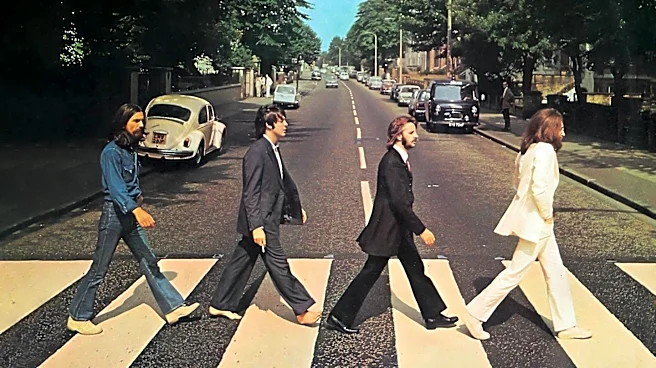
seven major artists including The Beatles, Michael Jackson, Led Zeppelin, Pink Floyd, The Eagles, The Clash, and Nirvana. Wyman's work, initially published by New York Magazine and Vulture, delves into the context and biography of each artist while offering critical judgments on their discographies. The review notes that while listicles are often seen as a less revered form of journalism, they remain exceptionally popular, particularly in music, a trend that predates the internet's widespread use. Wyman's approach aims to bring rigor to this format, providing a comprehensive overview of each artist's career.
Why It's Important?
This publication is important for several reasons within the U.S. media and music industries. It underscores the enduring appeal and commercial viability of music criticism, even in a format often dismissed as superficial. Wyman's rigorous approach to catalog ranking elevates the listicle beyond mere clickbait, demonstrating that it can serve as a legitimate tool for in-depth analysis and career overview. For music enthusiasts and critics, the book offers a fresh perspective on iconic artists, potentially sparking new discussions and re-evaluations of their work. The success of such a detailed compilation also highlights a continued market for physical media and long-form journalism in an increasingly digital and bite-sized content landscape, influencing publishing strategies and consumer preferences in the U.S.
What's Next?
The release of 'Bill Wyman's Rock & Roll Lists' is likely to generate renewed interest in the featured artists and their discographies, potentially boosting sales of their music and related merchandise. It could also inspire other music journalists and critics to adopt more comprehensive and analytical approaches to list-based content, influencing the style and depth of music journalism in the U.S. The book's reception may also prompt publishers to invest further in similar retrospective projects, recognizing the demand for well-researched and engaging content that offers both critical insight and biographical context. Furthermore, the discussions sparked by Wyman's often contrarian opinions could lead to online debates and increased engagement across music-related platforms.
Beyond the Headlines
Beyond its immediate impact, Wyman's book touches upon deeper cultural and critical implications. It highlights the subjective nature of artistic evaluation and the ongoing debate within music criticism regarding what constitutes 'greatness.' The review notes Wyman's tendency towards contrarianism, suggesting that provocative opinions, even if designed for effect, can drive engagement and discussion. This raises questions about the ethics of critical sensationalism versus objective analysis in journalism. The book also serves as a historical document, reflecting how music canons are formed and challenged over time, and how critical perspectives evolve. It implicitly critiques the 'heritage rock' phenomenon and the tendency to romanticize past eras, while simultaneously participating in the ongoing process of defining and redefining musical legacies.