





What's Happening?
Luxury home design is undergoing a significant transformation, moving beyond traditional grandeur to focus on human health and longevity, according to California Home Company. This new approach, termed 'wellness architecture,' integrates advanced systems
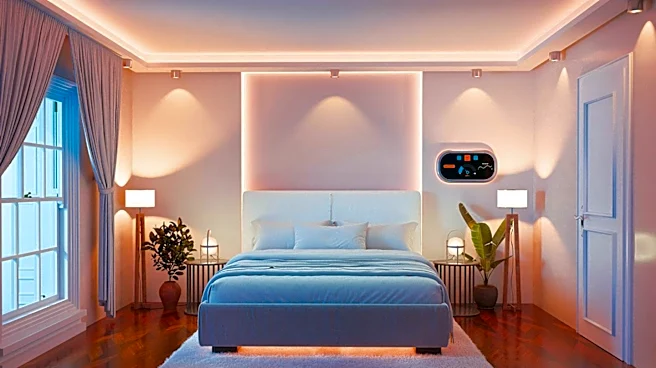
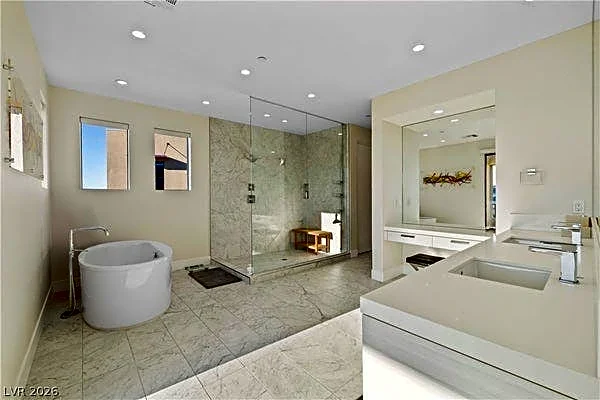
directly into the home's core infrastructure. Key features include circadian lighting systems that adjust light color and intensity to align with natural human rhythms, promoting better sleep and alertness. Homes are also being equipped with clinical-grade air and water purification systems, utilizing Energy Recovery Ventilators with medical-grade HEPA and active carbon filtration for air, and point-of-entry multi-stage filtration for water. These systems aim to create a pristine indoor environment, protecting occupants from environmental toxins, allergens, and pollutants. Additionally, wellness estates are incorporating private spa and recovery sanctuaries, featuring elements like cedar saunas, infrared cabins, cold plunges, and steam showers with aromatherapy. Acoustic engineering is also a critical component, using specialized insulation and construction techniques to ensure a peaceful and quiet living space. This comprehensive integration of health-focused technologies is planned during the architectural phase to prevent costly retrofits and ensure seamless functionality.
Why It's Important?
The rise of wellness architecture signifies a notable shift in the U.S. luxury housing market, reflecting a growing consumer demand for homes that actively contribute to well-being. This trend impacts various industries, including construction, smart home technology, and health and wellness. Builders and developers who adopt these advanced design principles stand to gain a competitive edge by catering to affluent buyers seeking optimized living environments. Conversely, those who do not adapt may find their properties less appealing to this evolving market segment. The emphasis on clean air and water, for instance, could drive innovation and demand for more sophisticated filtration systems, benefiting manufacturers in that sector. The integration of smart home processors with dynamic LED fixtures also highlights the increasing convergence of technology and residential design. Furthermore, the focus on recovery sanctuaries and acoustic engineering underscores a broader societal recognition of the importance of mental and physical health, influencing design standards and potentially leading to new regulations or certifications in residential construction. This movement could also spur growth in related services, such as specialized maintenance for these complex systems.
What's Next?
The trajectory of wellness architecture suggests a continued expansion of its influence within the U.S. housing market. We can anticipate an increase in demand for architects, engineers, and builders specializing in these integrated health-focused designs. The development of new certifications and standards for 'wellness homes' may emerge, similar to existing green building certifications, providing benchmarks for quality and functionality. Manufacturers of air purification, water filtration, and smart lighting systems are likely to see increased investment in research and development to meet the evolving needs of this market. Furthermore, as these technologies become more mainstream in luxury homes, there is potential for trickle-down effects into more affordable housing segments, making health-conscious design elements accessible to a broader population over time. The integration of AI and sensor technology for real-time environmental monitoring within homes is also expected to advance, offering more personalized and responsive living conditions. This trend could also influence urban planning, with a greater emphasis on creating communities that support overall well-being through design.
Beyond the Headlines
The emergence of wellness architecture extends beyond mere luxury, touching upon deeper societal values concerning health, longevity, and the human relationship with the built environment. Ethically, it raises questions about equitable access to such advanced living conditions, as these features are currently concentrated in high-end properties. The long-term shift could see homes being viewed not just as shelters, but as active tools for health management, potentially blurring the lines between residential and healthcare spaces. Culturally, it reflects a growing awareness of environmental health and the impact of indoor living on well-being, prompting a re-evaluation of traditional building practices. This movement could also foster a greater appreciation for biophilic design, integrating natural elements and views to enhance mental and emotional comfort. The emphasis on personalized environments, from circadian lighting to acoustic engineering, signifies a move towards highly customized living spaces that cater to individual physiological and psychological needs, potentially setting new precedents for what constitutes a 'healthy home' in the 21st century.