




What's Happening?
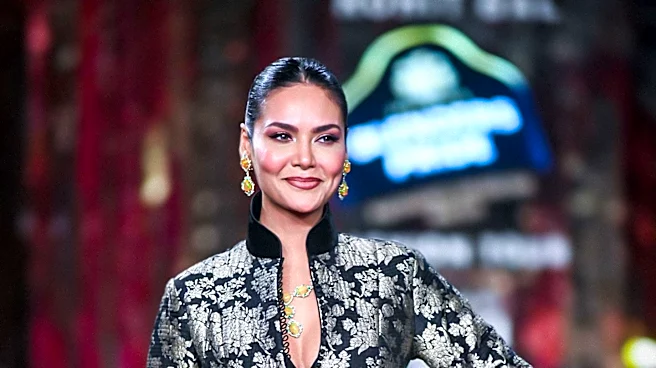
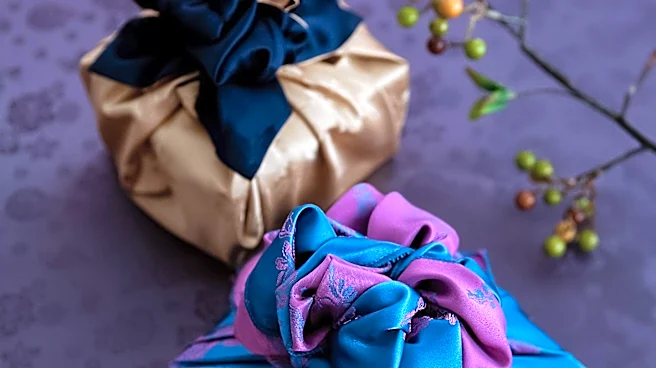
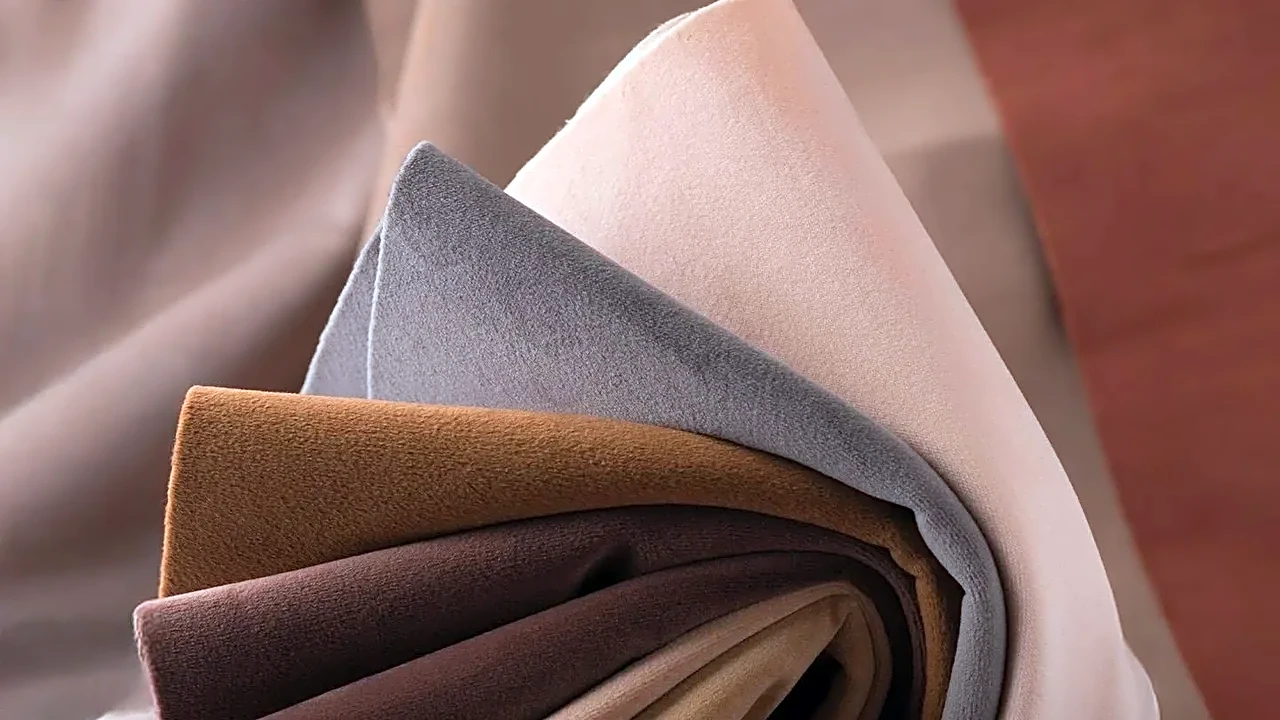
Jacquard, an intricate system of weaving invented in France in 1801, is gaining prominence as a significant fall fashion trend. This fabric, which includes brocade as a common subset, is characterized by its heavy, complex, and often lustrous yarns, resulting
in a decorative and artistic appearance. Designers like Dries Van Noten and Anna Sui have championed jacquard on fall/winter runways, incorporating it into various pieces from high-drama coats to subtle trims and head-to-toe ensembles. The fabric's inherent artistic quality makes it suitable for both evening wear and strategic daytime styling, offering a blend of elegance and sophistication. The trend suggests a shift towards richer textures and more ornate materials as temperatures cool and wardrobes transition to cozier styles.
Why It's Important?
The resurgence of jacquard as a key fall fashion trend is important for the U.S. apparel industry and consumers alike. For manufacturers and designers, it signals a demand for more complex textile production and innovative design applications, potentially influencing material sourcing and manufacturing processes. For retailers, it means stocking collections that feature this ornate fabric, catering to consumers seeking sophisticated and decorative pieces. For consumers, the trend offers an opportunity to incorporate luxurious and artistic elements into their wardrobes, moving beyond simpler summer fabrics. It also highlights a broader fashion movement towards embracing historical textile techniques and integrating them into contemporary styles, providing a sense of timeless elegance and craftsmanship in an often fast-paced fashion environment. This trend can also influence styling choices, encouraging the pairing of bold jacquard pieces with more understated tailored separates for a balanced look.
What's Next?
The jacquard trend is expected to continue its presence in upcoming fall and winter collections, with designers likely exploring new patterns, color combinations, and garment types. We may see an expansion of jacquard beyond traditional outerwear and tailored pieces into accessories, footwear, and even home decor, reflecting its versatility and decorative appeal. Consumers can anticipate a wider availability of jacquard items across various price points, from high-end designer pieces to more accessible ready-to-wear options. The styling of jacquard will likely evolve, with continued emphasis on balancing its boldness with simpler, complementary items. The trend could also inspire a renewed interest in other intricate weaving techniques and artisanal textiles, further enriching the diversity of materials used in contemporary fashion and encouraging a more conscious appreciation for craftsmanship.
Beyond the Headlines
Beyond its aesthetic appeal, the jacquard trend carries deeper implications for the fashion industry and cultural appreciation. Its historical origins in 19th-century France connect contemporary fashion to a rich legacy of textile innovation and craftsmanship. The re-adoption of such an intricate fabric can be seen as a move towards valuing quality and artistry over mass-produced simplicity, potentially influencing consumer preferences towards more durable and thoughtfully designed garments. Ethically, it could encourage a focus on sustainable production methods for complex textiles, supporting skilled artisans and traditional weaving techniques. Culturally, jacquard's decorative nature allows for a blend of historical elegance with modern sensibilities, offering a way to express sophistication and individuality through texture and pattern. This trend underscores the cyclical nature of fashion, where historical elements are continually reinterpreted to resonate with contemporary tastes, bridging the past and present in sartorial expression.