








What's Happening?
The global animal feed market is forecast to expand significantly, with Future Market Insights (FMI) projecting a 4.1% Compound Annual Growth Rate (CAGR) from 2026 to 2036. This growth is expected to increase the market value from an estimated $595.5
billion in 2026 to $890.0 billion by 2036, adding $294.5 billion over the forecast period. The expansion is primarily fueled by intensive livestock production, a rising demand for nutritionally balanced compound feeds, and continuous improvements in feed efficiency. Poultry and aquaculture operations are also contributing substantially to this growth. Manufacturers are increasingly investing in advanced feed formulations, including steam-pelleted rations, amino acid balancing, enzyme supplementation, and automated batching, to meet the evolving needs of the industry. The market is characterized by competition among integrated agricultural businesses, international compound feed manufacturers, and specialized premix and feed additive suppliers.
Why It's Important?
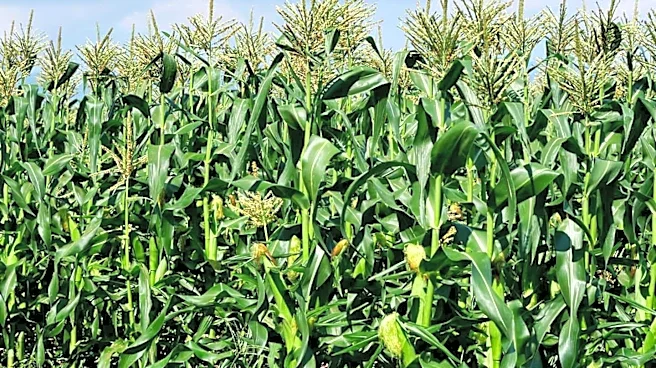
The projected growth in the animal feed market holds significant implications for the U.S. agricultural sector and related industries. As a major producer and consumer of animal feed, the U.S. market, projected to grow at 3.5%, will see increased demand for raw materials like corn and soybean meal, impacting commodity prices and farmer incomes. The emphasis on advanced feed formulations and specialized nutrition creates opportunities for U.S. companies in biotechnology, feed additive manufacturing, and precision agriculture. Investment in feed efficiency and sustainable livestock production aligns with broader U.S. agricultural policy goals, potentially leading to innovations that reduce environmental impact and improve animal welfare. However, challenges such as volatile raw material prices and high energy costs for feed processing will continue to influence profitability for U.S. feed manufacturers and livestock integrators. The global market's expansion also means increased competition and potential for export opportunities for U.S. feed products and technologies.
What's Next?
To capitalize on this growth, businesses in the animal feed sector are prioritizing strategic initiatives. These include strengthening ingredient sourcing by developing reliable procurement networks for key components like corn, soybean meal, oilseed meals, and alternative protein ingredients. Investment in advanced feed formulation, such as precision amino acid balancing and enzyme supplementation, will be crucial for improving feed efficiency. Manufacturers are also focusing on enhancing production capabilities through automated batching, steam conditioning, and pellet durability monitoring to ensure consistent quality. Addressing mycotoxin risks through grain testing and appropriate storage solutions is another key area. Furthermore, expanding regional distribution networks and strengthening relationships with livestock integrators and agricultural cooperatives will be vital for reaching high-growth markets. The ongoing demand for specialized nutrition solutions will drive further research and development in the industry.
Beyond the Headlines
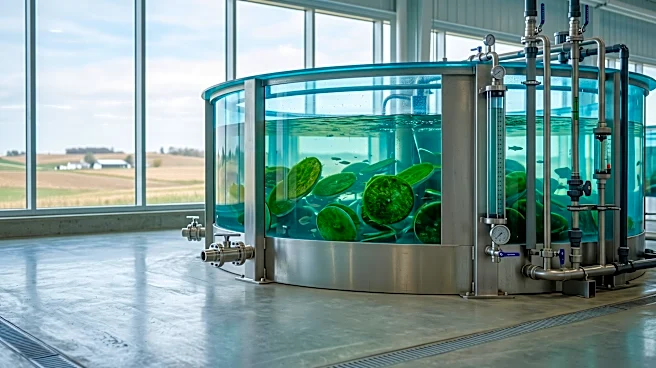
The robust growth in the animal feed market underscores a fundamental shift in global food production towards more industrialized and scientifically managed livestock operations. This trend has deeper implications for food security, resource allocation, and environmental sustainability. The increasing reliance on specialized feed formulations highlights the intricate balance between maximizing animal productivity and ensuring the nutritional quality of meat, dairy, and aquaculture products. The push for feed efficiency, while economically driven, also contributes to reducing the ecological footprint of livestock farming by optimizing resource use. However, the market's dependence on imported ingredients in some regions, as seen in Brazil's fertilizer imports, exposes vulnerabilities to global supply chain disruptions and geopolitical events. The ethical considerations surrounding intensive livestock farming and the demand for alternative protein sources, such as insect proteins and algae-based ingredients, suggest a future where innovation in animal feed will not only be about efficiency but also about sustainability and consumer preferences for ethically produced food.