





What's Happening?
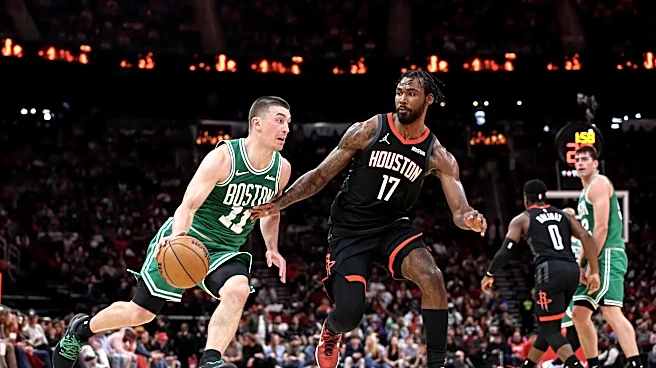
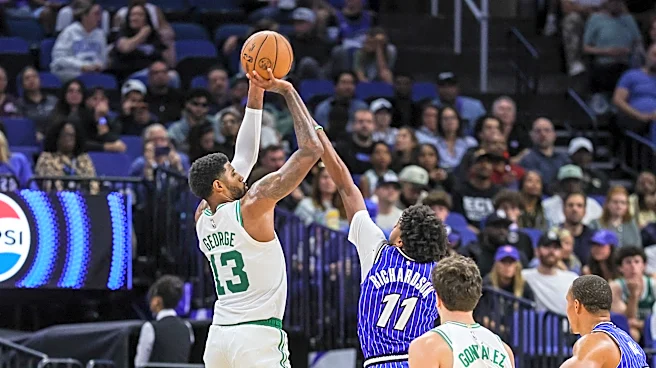
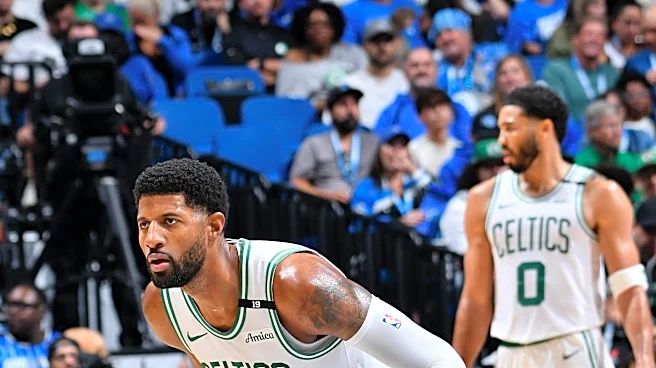
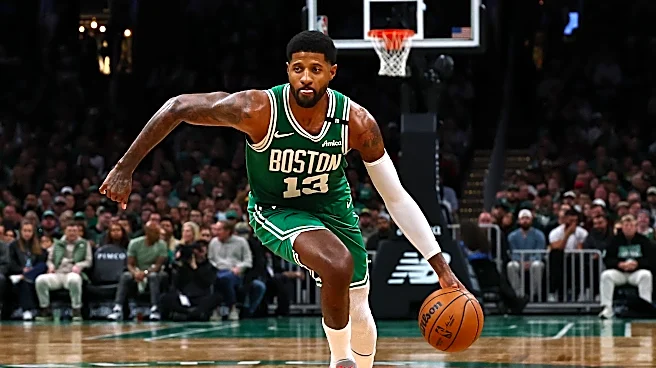
Paul George, a prominent player for the Boston Celtics, was sidelined for Monday's game against the Houston Rockets. The team announced that his absence was for rest purposes and not due to an injury. This marks the first game George has missed in the current
season. Through six games, George has been the Celtics' second-leading scorer, averaging 20.7 points, 6.0 rebounds, 5.0 assists, and 2.3 steals per game, with shooting percentages of 46.3% from the field and 38.8% from beyond the arc. The decision to rest George comes as the Celtics are playing the second night of a back-to-back series, having faced the Orlando Magic on Sunday. Despite having played both ends of a back-to-back earlier in the season, the team is taking a cautious approach with the nine-time All-Star, given his past injury history, which saw him limited to 78 combined games over the 2024-25 and 2025-26 seasons. Devin Carter was also out for the Celtics due to illness.
Why It's Important?
The decision to rest Paul George underscores a growing trend in professional sports, particularly in the NBA, where player load management is prioritized to prevent injuries and ensure peak performance during critical parts of the season. For the Celtics, George's health is paramount, especially considering his significant contributions as the team's second-leading scorer and his history of injuries. His consistent performance is crucial for the team's championship aspirations. While missing a single regular-season game might seem minor, it reflects a strategic long-term view by the Celtics' management to preserve their star players. This approach aims to maximize George's availability and effectiveness in the playoffs, where his experience and skill will be vital. The team's cautious stance also signals their commitment to player well-being, potentially influencing other teams to adopt similar strategies for their key athletes.
What's Next?
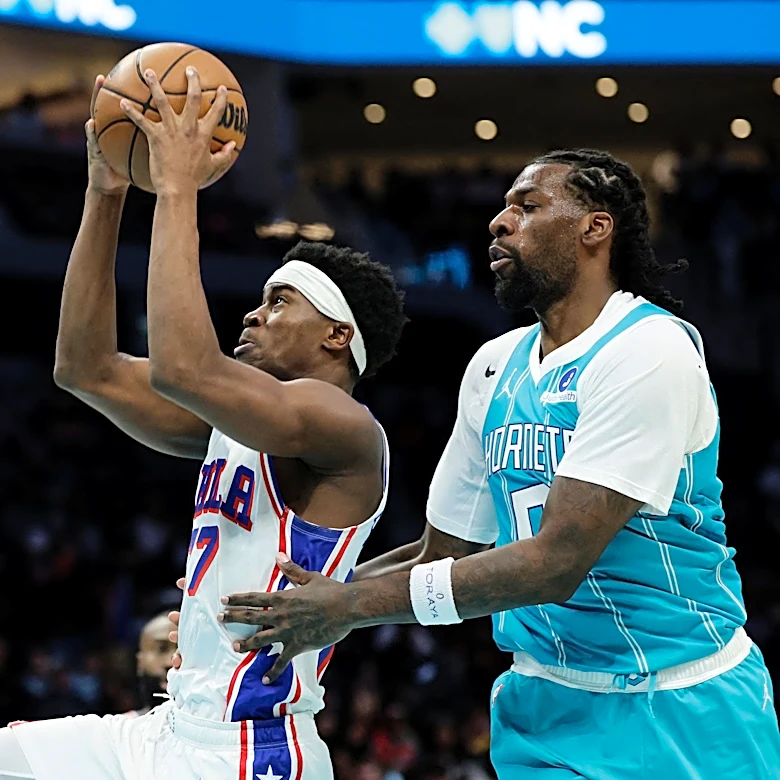
Following the game against the Houston Rockets, the Boston Celtics are scheduled to return home to face the Milwaukee Bucks on Wednesday. After that, the team will embark on a four-game Eastern Conference road trip. This trip includes matchups against the Charlotte Hornets, a rematch with the Milwaukee Bucks, the Philadelphia 76ers, and the Toronto Raptors. Paul George is expected to rejoin the team for these upcoming games, assuming no further rest days are deemed necessary by the coaching and medical staff. The Celtics' management will likely continue to monitor his workload closely, especially during stretches of multiple games in short succession, to prevent any potential setbacks related to his injury history. His return will be critical as the Celtics navigate a challenging schedule against several strong Eastern Conference opponents.
Beyond the Headlines
The strategic resting of star players like Paul George highlights a broader shift in professional sports management, moving from a relentless pursuit of every regular-season win to a more calculated approach focused on long-term player health and playoff readiness. This trend has implications for fan engagement, as star players' absences can disappoint ticket holders, but it also reflects an increased understanding of sports science and injury prevention. From a league-wide perspective, load management sparks debates about the integrity of the regular season and competitive balance. Teams with deeper rosters might be better equipped to absorb such absences, potentially creating a disparity. Ultimately, this practice reflects a modern sports philosophy where the ultimate goal of a championship often outweighs the immediate gratification of every regular-season contest, emphasizing sustainability and peak performance when it matters most.