



What's Happening?
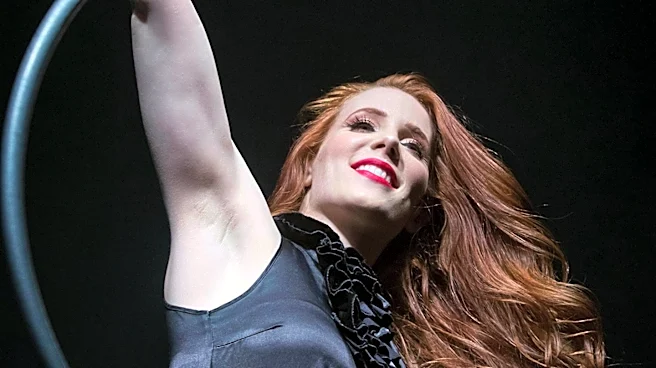
Florence Welch, the lead vocalist of Florence + The Machine, has maintained a private personal life despite over a decade in the music industry. While her music and creative process are openly discussed, her romantic relationships have largely remained
out of the public eye. This discretion has led to ongoing speculation among fans and media regarding her marital status. Welch has previously stated in a 2012 interview with The Guardian that she doesn't 'really believe in labels' and has always been 'a bit of a free spirit,' which further contributes to the mystery surrounding her personal affairs. Her past relationships include filmmaker and artist Brandon Stoddard and James Ford of Simian Mobile Disco, both of which garnered media attention but were not publicly confirmed as leading to marriage. Despite numerous rumors, Welch has consistently prioritized her privacy, focusing instead on her musical career and artistic vision.
Why It's Important?
The continued public interest in Florence Welch's private life highlights a broader societal trend where the personal lives of public figures often become subjects of intense scrutiny and speculation. For artists like Welch, maintaining privacy can be a deliberate choice to keep the focus on their creative work rather than their personal relationships. This approach can influence how fans engage with an artist's output, potentially fostering a deeper connection to the music itself rather than to celebrity gossip. It also underscores the challenges public figures face in balancing their public persona with their desire for personal boundaries. The media's persistent inquiries, even in the absence of confirmed information, reflect the public's appetite for celebrity news, which can sometimes overshadow an artist's professional achievements and artistic contributions.
Beyond the Headlines
Florence Welch's consistent commitment to privacy in an era of pervasive social media and celebrity culture raises questions about the evolving nature of fame and personal boundaries. Her stance challenges the expectation that public figures must disclose every aspect of their lives, offering a counter-narrative that prioritizes artistic integrity and personal autonomy. This approach could inspire other artists to similarly guard their private lives, potentially shifting the dynamics between celebrities and the public. It also highlights the ethical considerations for media outlets in reporting on unconfirmed personal details, especially when an individual explicitly seeks to maintain discretion. Ultimately, Welch's example contributes to a broader conversation about the right to privacy for public figures and the societal value placed on personal information versus artistic output.