

What's Happening?
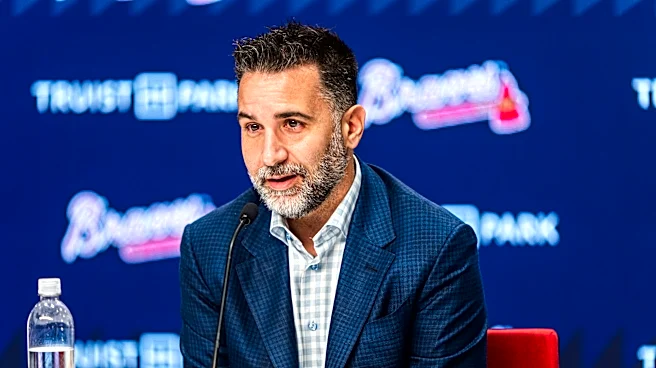
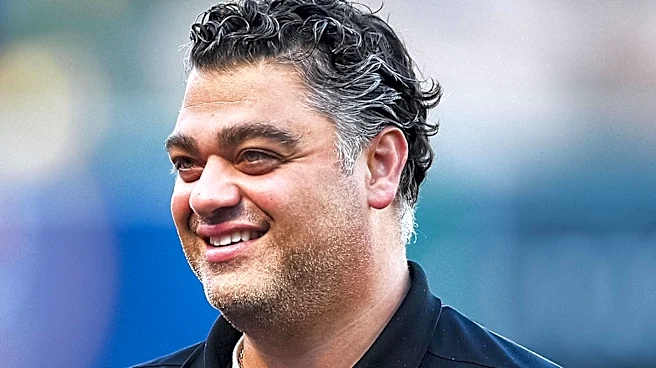
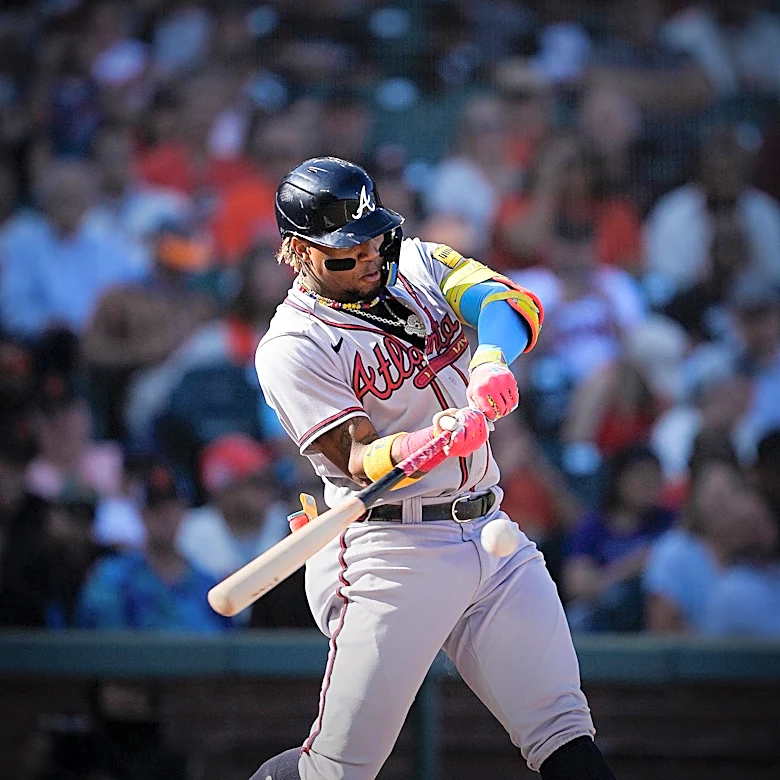
Atlanta Braves General Manager Alex Anthopoulos has defended the team's actions during the 2026 Trade Deadline, asserting that the Braves have improved despite not acquiring a front-line starting pitcher. The team added Tyler Mahle to the rotation and
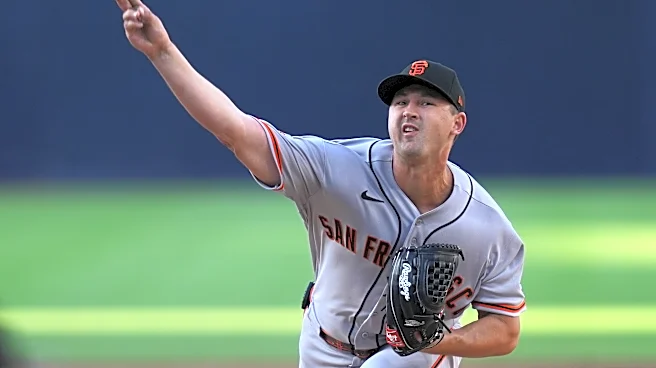
bolstered their outfield and bullpen with Lane Thomas and Brent Suter, respectively. However, the lack of a significant addition to the starting rotation has left some fans and analysts skeptical about the team's ability to compete in the postseason. Anthopoulos emphasized the team's strong performance in terms of ERA since the All-Star break and maintained that the organization made decisions based on long-term strategy rather than short-term gains.
Why It's Important?
The Braves' trade deadline strategy highlights the challenges teams face in balancing immediate needs with future prospects. The decision not to acquire a high-profile starting pitcher could impact the team's postseason performance, as reliable pitching is crucial for success in high-stakes games. Anthopoulos's comments reflect a broader trend in sports management, where teams must weigh the potential benefits of trades against the risks of depleting their farm systems. The outcome of the Braves' season will likely influence future trade strategies and the evaluation of Anthopoulos's leadership.
What's Next?
As the Braves continue their season, the focus will be on the performance of their current roster and the effectiveness of their pitching staff. The team's ability to maintain their lead in the division and secure a postseason spot will be closely watched. If the Braves struggle, there may be increased scrutiny on Anthopoulos's decisions and potential calls for changes in strategy. Conversely, a successful run could validate the GM's approach and reinforce confidence in the team's long-term planning.