






What's Happening?
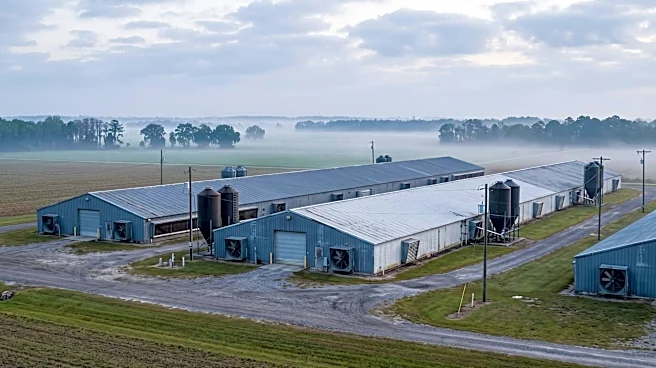
Cal-Maine Foods Inc., the largest egg producer in the United States, has temporarily ceased production at one of its facilities in Florida following the detection of highly pathogenic avian influenza (HPAI). This outbreak will lead to the culling of approximately
1.4 million laying hens and 360,000 pullets, totaling about 1.76 million birds, which represents 2.7% of the company’s total flock. The company announced this development on November 18. Cal-Maine Foods is adhering to protocols mandated by the US Department of Agriculture (USDA) and is actively coordinating its production and distribution networks across its various locations. This strategy aims to mitigate the disruption's impact, ensure a continuous supply of eggs, and minimize any potential adverse effects on its customer base. The USDA has stated that HPAI cannot be transmitted through properly handled and cooked eggs, and there is no known risk associated with eggs currently on the market, with no recalls issued due to HPAI.
Why It's Important?
This incident highlights the ongoing threat of avian influenza to the U.S. poultry industry and its potential economic repercussions. While Cal-Maine Foods is implementing measures to maintain supply continuity, the culling of nearly 2 million birds could still impact regional egg availability and potentially lead to price fluctuations, depending on the scale and duration of the disruption. For consumers, the USDA's assurance regarding the safety of properly cooked eggs is crucial in preventing undue alarm. For the company, managing such outbreaks is a significant operational challenge, requiring substantial resources for culling, cleaning, and restocking. The market's initial reaction saw Cal-Maine’s stock price on NASDAQ close at $70.43 per share on November 18, an 8% increase from the previous day, suggesting investor confidence in the company's ability to manage the crisis and its diversified operations.
What's Next?
Cal-Maine Foods is expected to provide further updates on the situation in its second-quarter financial report, which will be filed with the US Securities and Exchange Commission. This report will likely detail the financial impact of the outbreak, including costs associated with culling, facility sanitization, and potential revenue losses. The company will continue to work closely with the USDA to ensure all prescribed protocols are followed for disease containment and eradication. The focus will be on restoring full operational capacity at the affected Florida facility while maintaining supply through its other locations. Industry observers will be watching for any broader implications for the U.S. egg supply chain, particularly if other outbreaks occur or if this incident leads to more stringent biosecurity measures across the industry.
Beyond the Headlines
The recurring nature of avian influenza outbreaks underscores the persistent biosecurity challenges faced by large-scale poultry operations. Beyond the immediate economic and supply chain concerns, these events raise broader questions about agricultural practices, disease surveillance, and the resilience of food production systems. The culling of millions of birds, while necessary for disease control, also brings ethical considerations regarding animal welfare. Furthermore, the incident highlights the critical role of government agencies like the USDA in monitoring and responding to agricultural health crises, which are vital for protecting both public health and economic stability. The long-term implications could include increased investment in preventative measures, enhanced biosecurity protocols, and potentially shifts in how poultry farms are structured to minimize disease transmission risks.