








What's Happening?
Aspen Neuroscience, a clinical-stage biotechnology company, has announced the completion of dosing for Cohorts 3 and 4 in its Phase 1/2a ASPIRO clinical trial. This trial is evaluating sasineprocel (ANPD001), an autologous induced pluripotent stem cell
(iPSC)-derived therapy, for treating Parkinson's disease (PD). The completion marks a significant milestone, with 15 patients dosed, making it one of the largest clinical experiences for autologous cell therapy in PD. The trial uses a commercial-ready formulation of sasineprocel, which includes a cryopreserved 'thaw-and-inject' product, enhancing procedural efficiency. This development is crucial for scalable manufacturing and commercial readiness as Aspen prepares for Phase 3 trials.
Why It's Important?
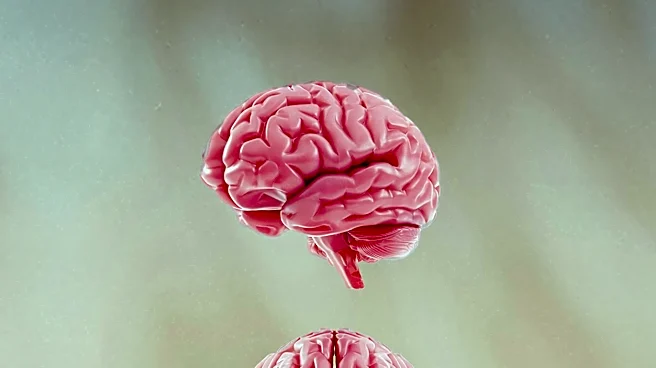
The advancement in Aspen Neuroscience's trial is significant for the field of regenerative medicine, particularly in treating neurodegenerative diseases like Parkinson's. Sasineprocel aims to replace lost dopaminergic neurons, potentially modifying the disease's progression. This approach could offer a new treatment paradigm, reducing the need for immunosuppressive therapy, which is a common requirement in donor-derived cell therapies. The successful completion of these cohorts not only demonstrates the therapy's potential efficacy and safety but also supports the scalability of the treatment, which is crucial for broader clinical application and eventual commercialization.
What's Next?
Aspen Neuroscience is focusing on scaling up manufacturing processes and optimizing procedures to meet the requirements of future pivotal trials. The company is preparing for the initiation of Phase 3 trials, which will further evaluate the therapy's efficacy and safety on a larger scale. The progress in these trials could lead to significant advancements in the treatment of Parkinson's disease, potentially offering a new therapeutic option for patients. Stakeholders, including regulatory bodies and the medical community, will be closely monitoring these developments as they could influence future treatment standards for neurodegenerative diseases.