





What's Happening?
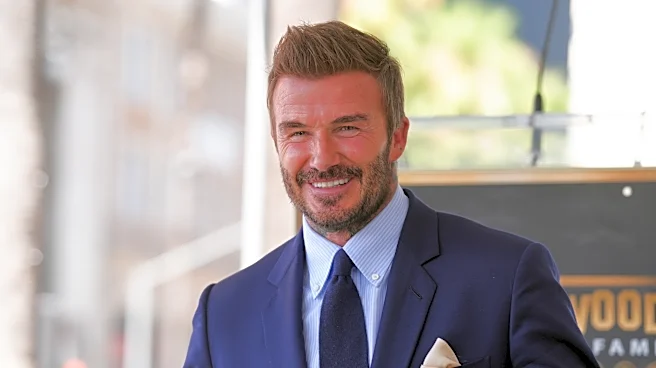
Sir David Beckham is suing perfume manufacturer and distributor Coty for $41 million, alleging that the company damaged his brand by selling his 'luxury' fragrance products in unapproved, low-rent retail channels, including gas stations and the UK dollar-store
equivalent, Poundland. The lawsuit, filed in Manhattan Supreme Court by Beckham's company, DB Ventures, claims that over $24 million worth of his signature scents were sold through these discount channels. According to the suit, this practice undermined Beckham's 'carefully cultivated' brand, which is described as 'synonymous with excellence and refinement' and 'a symbol of everyday luxury.' Coty has responded by filing a motion to dismiss the lawsuit, arguing that Beckham improperly filed the suit in New York and that the legal action is a 'transparent effort' to exit his contract early to pursue a new deal with rival company Interparfums. Coty also claims that DB Ventures filed a 'parallel suit' against it involving another brand, Nautica Apparel, on the same day, suggesting a coordinated effort to terminate both licensing agreements.
Why It's Important?
This lawsuit highlights the critical importance of brand control and distribution channels for high-profile individuals and luxury brands. For David Beckham, whose personal brand is a significant asset, the alleged sale of his products in discount outlets could severely dilute his image and perceived value, impacting future endorsement deals and product lines. For Coty, a major beauty giant, the allegations raise questions about its distribution practices and contractual obligations, potentially affecting its reputation and relationships with other celebrity partners. The case also underscores the legal complexities involved in international business agreements, particularly concerning jurisdiction and contract enforcement. The outcome could set a precedent for how celebrity-brand partnerships are managed and protected against unauthorized sales, influencing how companies handle product distribution to maintain brand integrity and prevent 'liquidation-level discounts' from devaluing premium goods. The dispute also reveals the competitive nature of the fragrance industry, with accusations of strategic litigation to facilitate new business relationships.
What's Next?
Coty has filed a motion to dismiss the lawsuit, arguing against the New York jurisdiction and asserting that Beckham's legal action is an attempt to prematurely terminate his contract. The court will first need to rule on Coty's motion to dismiss, which will determine if the case proceeds in Manhattan. If the case moves forward, both parties will likely engage in discovery, presenting evidence to support their claims regarding contractual breaches, brand damage, and alleged motivations behind the lawsuit. The 'parallel suit' involving Nautica Apparel could also influence the proceedings, as Coty suggests a coordinated strategy by DB Ventures. The legal battle is expected to be protracted, with significant financial and reputational stakes for both David Beckham and Coty. The resolution of this case could lead to a re-evaluation of contract terms and distribution oversight in celebrity endorsement deals across the beauty and fashion industries.
Beyond the Headlines
Beyond the immediate legal and financial implications, this case touches upon the broader cultural phenomenon of celebrity branding and the challenges of maintaining an aspirational image in a globalized, multi-channel retail environment. The concept of 'luxury' is often tied to exclusivity and controlled distribution, and the alleged sale of Beckham's perfumes in gas stations directly contradicts this perception. This incident could prompt other celebrities and brands to scrutinize their licensing agreements more closely, particularly regarding clauses on distribution, pricing, and brand protection. It also raises ethical questions about how companies manage excess inventory and whether short-term sales gains justify potential long-term brand erosion. The lawsuit serves as a stark reminder that a celebrity's brand is a valuable, yet fragile, asset that requires vigilant protection against practices that could diminish its perceived value in the marketplace.