



What's Happening?
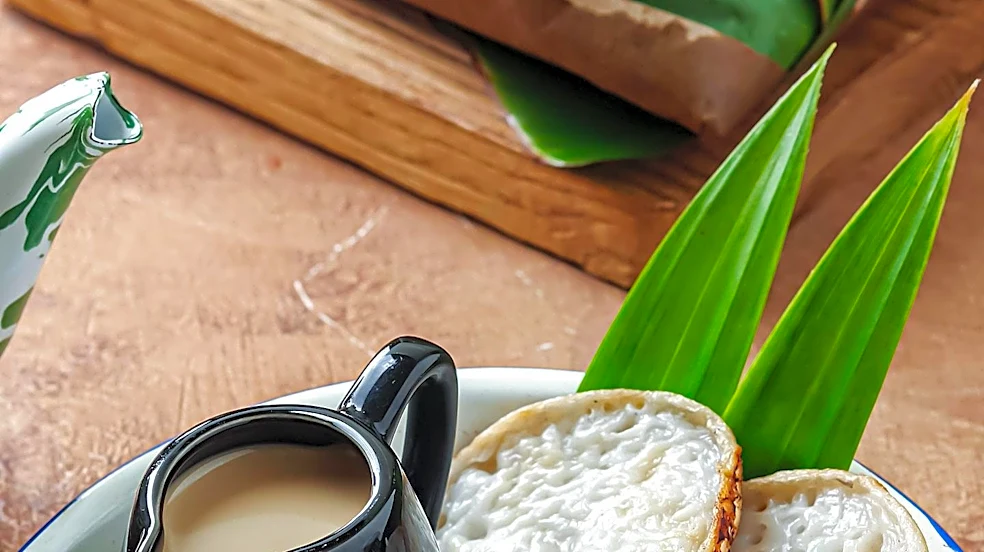
Oakland-based entrepreneur Andrew Luu, co-founder of Wasi Brands, has launched a pandan waffle and pancake mix, aiming to make nostalgic Asian flavors more accessible to a broader U.S. consumer base. Pandan, often referred to as 'Southeast Asian vanilla,'
is gaining traction in the mainstream food industry, appearing in various products from lattes to desserts. Luu, who is Vietnamese and Peruvian, believes that ingredients like ube and matcha have paved the way for increased curiosity about other Asian flavors. Wasi Brand's mix uses real pandan and coconut, resulting in a more subtle, natural color compared to traditional bright green pandan waffles often made with artificial dyes. The company emphasizes the natural color and authentic flavor profile of its product. Pandan is a common ingredient in many Southeast and South Asian cuisines, known for its earthy, fragrant, nutty, and floral notes, often combined with coconut for a sweet, rich taste.
Why It's Important?
This development signifies a growing trend in the U.S. food market towards the mainstream adoption of diverse international flavors, particularly those from Asian cuisines. By making pandan more accessible through a familiar product like waffle and pancake mix, Wasi Brands is tapping into both nostalgia for those familiar with the flavor and curiosity for new consumers. This trend reflects a broader shift in consumer preferences towards authentic, unique, and culturally rich food experiences. The success of such products can encourage further innovation and diversification in the food industry, leading to a wider array of global flavors becoming household staples. It also highlights the increasing influence of multicultural entrepreneurs in shaping the American culinary landscape and catering to evolving tastes.
What's Next?
The introduction of Wasi Brands' pandan mix is likely to contribute to the continued rise in popularity of pandan and other Southeast Asian flavors in the U.S. food market. As consumers become more adventurous and seek out novel taste experiences, more food manufacturers and restaurants may incorporate pandan into their offerings. This could lead to an expansion of pandan-flavored products in grocery stores, cafes, and bakeries nationwide. The trend also suggests potential for other 'nostalgic' or traditional ingredients from various cultures to find their way into mainstream American diets. Continued success could also inspire other entrepreneurs to develop similar products that bridge cultural culinary traditions with everyday American consumption habits.
Beyond the Headlines
The increasing popularity of ingredients like pandan goes beyond mere culinary trends; it reflects deeper cultural shifts in the U.S. It signifies a growing appreciation for global food heritage and a more inclusive approach to cuisine. This movement can foster greater cultural understanding and exchange through food. Furthermore, it challenges the traditional dominance of Western flavors in the American diet, promoting diversity and offering consumers a richer, more varied gastronomic experience. The emphasis on natural ingredients, as seen with Wasi Brands' approach to pandan's color, also aligns with broader consumer demands for healthier, less processed food options, indicating a convergence of cultural exploration and wellness trends.