






What's Happening?
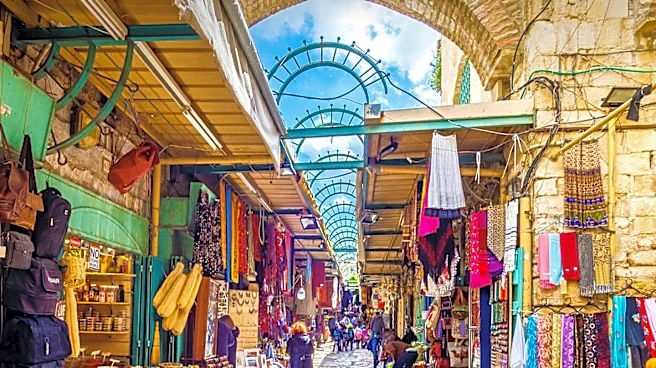
Istanbul's Grand Bazaar, a historic commercial hub established in 1453 by Ottoman Sultan Mehmed II, continues to thrive by blending ancient artisan traditions with contemporary influences. The bazaar, which expanded over centuries and survived major earthquakes,
remains a significant center for traditional commerce and a training ground for craftsmen. Veteran jeweler Umit Berksoy, 78, highlights the enduring spirit of the bazaar, where masters from various religious minorities—Armenians, Greeks, Jews, and Syriacs—have historically worked side by side. While the visible market caters to tourists with modern trends, the true essence lies in the tiny workshops behind the scenes. These workshops, like the goldsmith workshop of Sevan Harunyan, 54, and the stone-setting master Hrant Zorbas, 66, uphold a master-apprentice tradition, ensuring the continuity of intricate crafts such as jewelry making. The bazaar's jewelry trade alone involves 57 masters catering to 532 jewelers, gold dealers, and shops, according to 2017 research. This deep-rooted system of craftsmanship persists despite the rise of modern shopping malls and changing consumer lifestyles.
Why It's Important?
The preservation of the Grand Bazaar's artisan traditions is crucial for maintaining cultural heritage and unique economic ecosystems. In an increasingly globalized and mass-produced world, the bazaar represents a rare example of a commercial center where handmade goods and specialized skills are still highly valued. This continuity supports a diverse community of craftsmen, many from minority groups, who have historically contributed to the bazaar's vibrancy and economic success. The master-apprentice model ensures that intricate techniques and knowledge are passed down through generations, preventing the loss of valuable cultural capital. Economically, the bazaar provides livelihoods for thousands and attracts significant tourism, contributing to Istanbul's economy. The emphasis on unique, handcrafted items also offers an alternative to factory-made products, appealing to consumers seeking authenticity and quality. The bazaar's resilience in adapting to new trends while retaining its core identity demonstrates a sustainable model for traditional commerce in the modern era.
What's Next?
The Grand Bazaar is expected to continue its dual existence, with its vibrant, tourist-facing market coexisting with the hidden, traditional workshops. The younger generation, like Aras Harunyan, 25, who has introduced computerized design into his family's goldsmith business, will likely play a key role in integrating modern technologies while respecting traditional methods. This blend of old and new could ensure the bazaar's relevance and competitiveness in the future. Efforts to preserve the master-apprentice tradition will be vital to counter the challenges posed by changing lifestyles and the appeal of factory-made goods. The bazaar's ability to attract both local and international visitors will depend on its continued capacity to offer unique, high-quality handcrafted products and an authentic cultural experience. Stakeholders, including artisans, shop owners, and local authorities, will need to collaborate to support the infrastructure and training necessary for these traditions to endure.
Beyond the Headlines
Beyond its commercial facade, the Grand Bazaar embodies a profound cultural and social narrative. It represents a living museum of Ottoman history, where the echoes of a 2,500-year-old city resonate through its labyrinthine alleys. The bazaar's enduring success highlights the human desire for connection to history and craftsmanship in an increasingly digital world. The collaborative spirit among artisans from diverse backgrounds, including various religious minorities, underscores a long-standing tradition of coexistence and mutual respect that has been integral to the bazaar's identity. This aspect offers a powerful counter-narrative to contemporary societal divisions, showcasing how shared economic and creative pursuits can foster unity. The bazaar also serves as a testament to human resilience, having adapted through centuries of political and economic shifts, including periods of high inflation, by offering tangible stores of value like gold. Its continued existence challenges the notion that progress must always mean the abandonment of tradition, suggesting instead a path where heritage and innovation can mutually enrich each other.