






What's Happening?
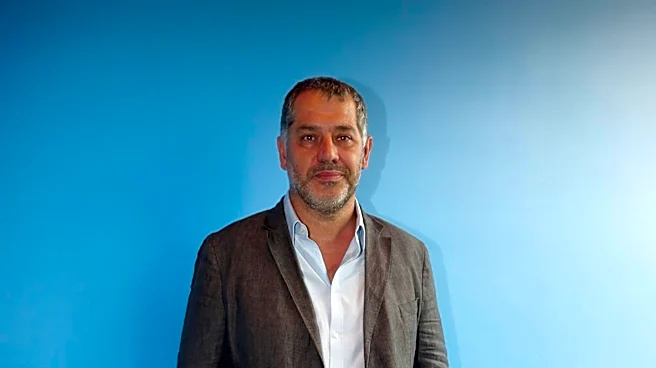
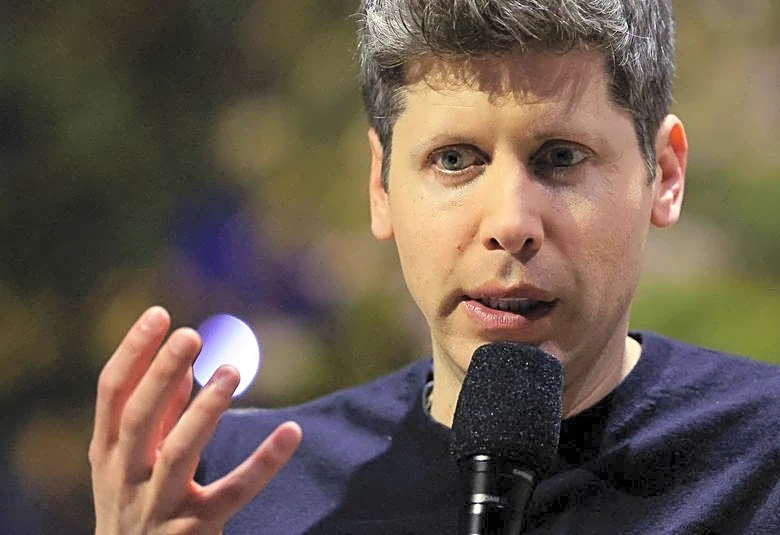
Cellular Intelligence, a company focused on integrating artificial intelligence into the medical field, has announced the appointment of four new board members. Among these are Robert 'Bob' Langer, co-founder of Moderna, and Yann LeCun, a Turing Award-winning
AI researcher. Langer will join the company's board of directors as an observer, while both he and LeCun will serve on its scientific advisory board. Other new members include Jens Nielsen, chief executive of the Novo Nordisk Foundation’s BioInnovation Institute, and Fabian Theis, a computational biologist and director of the Computational Health Center at Helmholtz Munich. Cellular Intelligence aims to develop an AI model capable of predicting and controlling cellular behavior, similar to how AI models predict text or images, to accelerate and reduce the cost of new medicine development. The company recently acquired global rights to STEM-PD, an experimental Parkinson’s disease cell therapy, from Novo Nordisk.
Why It's Important?
The addition of prominent figures like Robert Langer and Yann LeCun to Cellular Intelligence's board signifies a major step in the convergence of AI and medical research. Langer's extensive experience in biotechnology, including co-founding Moderna and holding numerous patents, brings invaluable expertise in drug development and commercialization. LeCun's foundational work in deep learning provides critical AI knowledge to the company's mission of modeling cellular behavior. This collaboration could revolutionize drug discovery, particularly for complex conditions like Parkinson's disease, by replacing traditional, time-consuming trial-and-error lab work with AI-driven predictions. The move also highlights a growing trend of established pharmaceutical and biotech leaders investing in and adopting advanced AI technologies, potentially leading to faster development of new therapies and more efficient research processes across the U.S. healthcare industry.
What's Next?
Cellular Intelligence plans to leverage its new board's expertise to further develop its proprietary AI engine for generating biological data and its AI foundation model. The company intends to license its models to pharmaceutical partners for drug-discovery work and to develop additional medicines independently or through collaborations. The acquisition of STEM-PD, a Phase 2-ready Parkinson’s program with FDA Fast Track designation, positions Cellular Intelligence to advance this therapy through clinical trials. Future steps will likely involve continued research and development to refine their AI models, expand their data generation capabilities, and pursue further clinical programs. The involvement of Novo Nordisk, which took an equity stake in Cellular Intelligence, suggests potential for future partnerships and investment in AI-driven medical solutions.
Beyond the Headlines
This development underscores a broader paradigm shift in medical research, moving from traditional empirical methods to data-driven, AI-powered approaches. The integration of AI into understanding cellular behavior could unlock unprecedented insights into disease mechanisms and therapeutic interventions. The ethical implications of AI-driven drug development, including data privacy, algorithmic bias, and the potential for unintended consequences in manipulating biological systems, will become increasingly important considerations. Furthermore, the collaboration between leaders from distinct fields—biotechnology and artificial intelligence—highlights the interdisciplinary nature of modern scientific innovation. This trend could lead to new regulatory frameworks and educational programs designed to bridge the gap between these complex domains, ultimately shaping the future of personalized medicine and healthcare delivery.