







What's Happening?
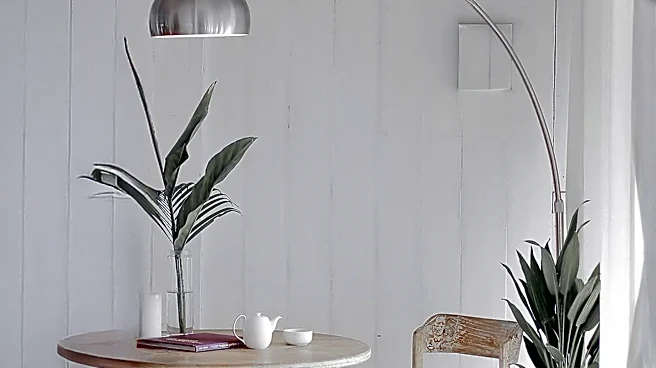
Scandinavian minimalism is characterized by its focus on simplicity, versatility, and functionality, influencing both fashion and interior design. This approach prioritizes essential forms, natural materials, and a warm color palette. In fashion, particularly
for travel, it advocates for a capsule wardrobe of versatile pieces that can be layered and styled differently to adapt to varying weather conditions, such as those experienced in Scandinavia where temperatures can fluctuate significantly within a single day. This philosophy extends to accessories like water-repellent belt bags and polarized sunglasses, chosen for their utility and durability. The core idea is to pack light and ensure every item serves multiple purposes, allowing for seamless transitions between different environments and activities.
Why It's Important?
The emphasis on Scandinavian minimalism reflects a broader societal shift towards conscious consumption and sustainable living. By promoting versatile, multi-functional items and a 'less is more' mindset, it encourages consumers to invest in quality pieces that last longer and reduce the need for excessive purchases. This approach can lead to significant economic benefits for individuals through reduced spending on disposable fashion and home decor. For industries, it signals a demand for durable, ethically sourced, and adaptable products, potentially driving innovation in design and manufacturing processes. Furthermore, the focus on natural materials and timeless aesthetics aligns with growing environmental awareness, influencing design trends and consumer preferences in the U.S. market.
What's Next?
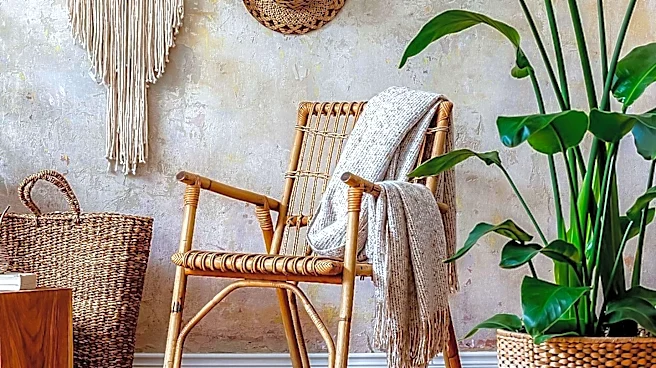
The principles of Scandinavian minimalism are expected to continue influencing U.S. consumer behavior and industry trends. We may see an increased demand for capsule wardrobes and multi-functional home furnishings, prompting retailers and designers to adapt their offerings. The focus on natural materials and sustainable production methods is likely to become a more prominent selling point, pushing companies to prioritize eco-friendly practices. Additionally, the concept of 'warm minimalism,' which incorporates tactile materials and softer color palettes while maintaining minimalist principles, is gaining traction. This evolution suggests a future where design prioritizes comfort and sensory richness alongside simplicity, further integrating these values into mainstream American lifestyle choices.
Beyond the Headlines
Beyond its aesthetic appeal, Scandinavian minimalism embodies a deeper cultural and psychological impact. It promotes a sense of calm and order by decluttering physical spaces and simplifying choices, which can reduce stress and enhance well-being. The philosophy encourages a mindful approach to consumption, where value is placed on quality and longevity rather than quantity. This shift can foster a greater appreciation for craftsmanship and the environmental impact of products. Ethically, it challenges the fast-fashion model and encourages a more sustainable relationship with material possessions. Culturally, it represents a move towards intentional living, where every item in one's environment serves a purpose and contributes to a harmonious atmosphere, reflecting a desire for balance and tranquility in an increasingly complex world.