







What's Happening?
For individuals with lipedema, exercise primarily aims to manage symptoms like pain, swelling, and mobility, rather than reducing lipedema fat, which is biologically resistant to typical exercise and calorie restriction. Low-impact activities such as
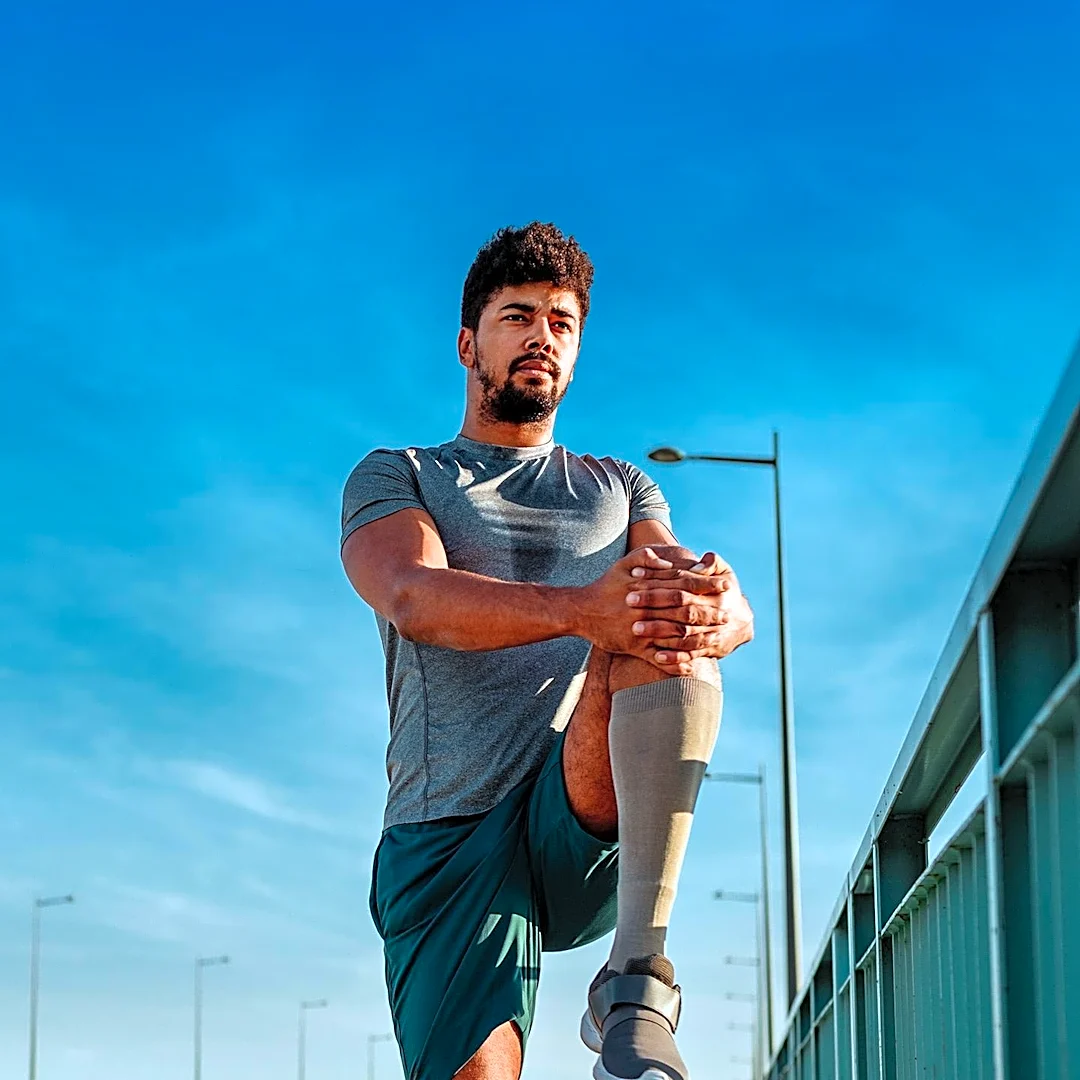
walking, swimming, light biking, and rebounding are recommended to encourage lymphatic circulation and reduce inflammation. Strength training with low loads and rhythmic movements also helps activate the muscle pump to move fluid. Compression garments are crucial, facilitating lymphatic drainage during daily activities and exercise, and minimizing bruising and vessel trauma due to capillary fragility often associated with lipedema. Water-based exercises are particularly beneficial as water pressure provides gentle compression and reduces joint stress. A personalized exercise regimen, often combined with therapies like manual lymphatic drainage and an anti-inflammatory diet, is essential for effective symptom relief and improved quality of life.
Why It's Important?
This approach to exercise for lipedema is critical for the U.S. healthcare system and for individuals living with this chronic condition. By shifting the focus from fat loss to symptom management, it provides realistic expectations and empowers patients to engage in physical activity that genuinely improves their quality of life. This understanding is vital for medical professionals, physical therapists, and fitness trainers to develop appropriate and safe exercise protocols. The emphasis on compression garments highlights their indispensable role in managing lipedema symptoms, driving demand for specialized medical compression wear. Furthermore, it underscores the need for integrated, multidisciplinary care that combines exercise with other therapies, promoting a holistic approach to managing a condition that often goes misdiagnosed or misunderstood.
What's Next?
Future efforts in managing lipedema will likely involve continued research into the biological resistance of lipedema fat and more refined exercise guidelines. There will be an increased focus on personalized exercise plans, tailored to an individual's stage of lipedema, co-morbidities, and surgical history. The development of advanced compression garments that offer precise pressure and comfort will be crucial for enhancing patient compliance and effectiveness. Integrated therapies, combining exercise with manual lymphatic drainage, nutritional guidance, and psychological support, will become more standardized. Educational initiatives will also be vital to raise awareness among both healthcare providers and the public about lipedema, ensuring earlier diagnosis and more effective management strategies, ultimately improving the lives of those affected.
Beyond the Headlines
The management of lipedema through exercise and compression garments reveals deeper societal challenges related to chronic conditions that are often misunderstood or misdiagnosed. The biological resistance of lipedema fat to conventional weight loss methods can lead to frustration and self-blame for patients, highlighting the need for empathy and accurate medical information. The focus on 'non-scale victories' like reduced pain and improved mobility is a powerful psychological tool, shifting the narrative from aesthetic ideals to functional well-being. This approach challenges the prevailing weight-centric view of health and emphasizes the importance of quality of life over body size. It also underscores the ethical responsibility of the medical community to provide evidence-based care and support for conditions that may not fit neatly into traditional treatment paradigms, advocating for a more patient-centered approach to chronic disease management.