







What's Happening?
Japanese tenugui towels, known for their versatility and unique dyeing technique, are gaining popularity in the U.S. These traditional hand towels, made from yukata cotton, are celebrated for their ability to become softer with use and their vibrant patterns,
which are equally visible on both sides due to a special dyeing process called chusen. This technique involves pouring dye through thin layers of cotton, allowing the fabric to remain breathable and quick-drying. In the U.S., tenugui are being used in various ways beyond their traditional purpose, such as napkins, baby bibs, and even as accessories for pets. The towels' adaptability and aesthetic appeal have made them a favored gift item and a staple in many households.
Why It's Important?
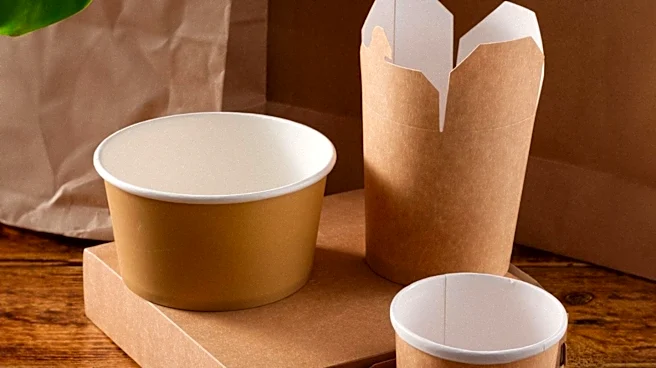
The growing popularity of tenugui towels in the U.S. reflects a broader trend of embracing multifunctional and sustainable home goods. These towels offer an eco-friendly alternative to disposable paper products, aligning with increasing consumer interest in sustainability. Their versatility also highlights a shift towards minimalist living, where items serve multiple purposes. This trend could influence the home goods market, encouraging manufacturers to focus on products that combine functionality with aesthetic appeal. Additionally, the cultural exchange represented by the adoption of tenugui in the U.S. underscores the global influence of Japanese design and craftsmanship.