





What's Happening?
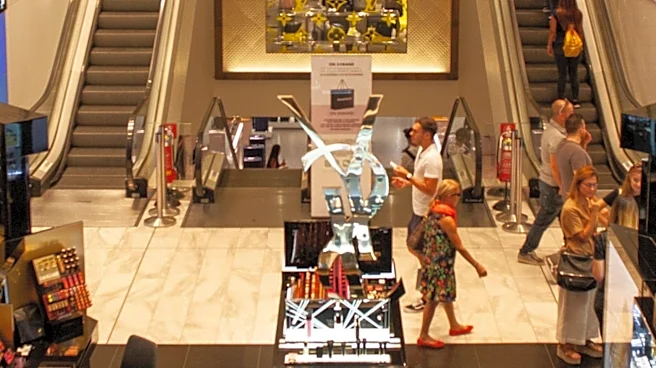
André Maeder, CEO of Selfridges Group, is navigating the competitive retail landscape in London by transforming Selfridges into a 'retail media' platform. With a revenue of 775 million pounds and a pre-tax loss of 15.9 million pounds in fiscal 2024, Selfridges faces
competition from both physical stores like Harrods and Dover Street Market, and online giants such as Net-a-porter and Mr Porter. Maeder's strategy involves creating a unique shopping experience that includes pop-ups, events, and cultural offerings like cinemas and exclusive clubs. The aim is to make Selfridges a place of imagination and cultural relevance, offering customers an escape from the everyday.
Why It's Important?
The transformation of Selfridges into a 'retail media' platform highlights a significant shift in the retail industry, where traditional department stores are evolving to meet the demands of a more informed and global customer base. This strategy could set a precedent for other retailers facing similar competitive pressures. By focusing on unique experiences and cultural engagement, Selfridges aims to differentiate itself in a crowded market, potentially influencing consumer spending patterns and retail trends. The success of this approach could impact the broader retail sector, encouraging other stores to innovate and adapt to changing consumer expectations.
What's Next?
Selfridges plans to continue investing in its Oxford Street food hall and expand its offerings with new restaurants and beauty services. The store is also exploring the use of artificial intelligence to enhance customer experiences and personalize shopping journeys. As Selfridges implements these strategies, it will be crucial to monitor how these changes affect customer engagement and sales performance. The outcome could influence future retail strategies and the role of department stores in the evolving retail landscape.
Beyond the Headlines
The shift towards a 'retail media' model at Selfridges raises questions about the future of traditional retail spaces. As stores become more like cultural hubs, the line between retail and entertainment blurs, potentially redefining consumer expectations and shopping behaviors. This evolution may also have implications for urban planning and the role of retail spaces in community building. Additionally, the focus on cultural and experiential offerings could lead to new partnerships between retailers and cultural institutions, further integrating commerce and culture.