






What's Happening?
Lucid Motors, an EV manufacturer, is undertaking a significant cost-cutting initiative totaling $1.4 billion to address deepening losses and fund its future pipeline. The company reported a net loss of $1.26 billion in the second quarter, an increase
from $739.3 million a year prior, despite a 56% year-over-year revenue increase to $405.3 million. Production levels rose 24% year-over-year to approximately 4,700 vehicles but dropped 13% quarter-over-quarter. The cost reductions include $600-800 million from inventory, $500 million from capital expenditure, and $200 million from operating expenses, which includes savings from an 18% U.S. workforce reduction announced in June, expected to generate $158 million in annual savings. Lucid's operational strategy has shifted towards financial sustainability, aiming to align production with demand and convert inventory into liquidity after uncovering a $300 million impairment. The company is also investing in customer service improvements, such as increasing technicians by 35% and mobile service capacity by over 20%.
Why It's Important?
This aggressive cost-cutting strategy by Lucid Motors highlights the financial pressures faced by electric vehicle manufacturers in a competitive and evolving market. The substantial losses, despite increased revenue and production, underscore the challenges of scaling EV production and achieving profitability. The workforce reduction and operational restructuring could impact the U.S. labor market within the EV sector and signal a broader trend of consolidation or efficiency drives among EV startups. For consumers, the focus on improving customer service, including reduced service appointment wait times, could enhance the ownership experience for Lucid vehicles, potentially boosting brand loyalty and sales in the long term. The company's ability to successfully implement these cuts while continuing to fund key projects like the Robotaxi and Midsize vehicle programs will be crucial for its survival and competitiveness against established automotive giants and other EV players.
What's Next?
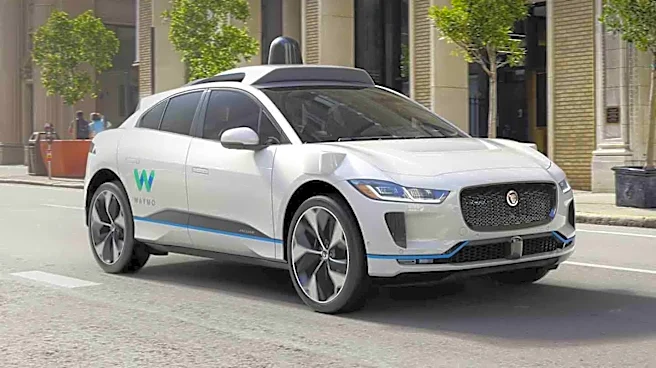
Lucid Motors plans to deploy fresh investments to fund its key priorities, including the autonomous EV taxi project Robotaxi, the King Abdullah Economic City manufacturing facility, and its Midsize vehicle program. The Robotaxi program, in collaboration with Uber and Nuro, is currently undergoing testing and validation. The AMP-2 facility is moving into industrialization with manufacturing systems being installed, and the Midsize program is progressing with Atlas drive units and prototype vehicles undergoing validation. The company will also simplify its organizational structure, reducing the number of executives reporting directly to CEO Silvio Napoli and appointing new leaders across various departments. Lucid has created a new chief customer officer role, appointing Billy Hayes to the position. The success of these initiatives will determine Lucid's ability to reduce losses, achieve financial sustainability, and bring its next-generation EV projects to market.
Beyond the Headlines
The financial struggles of Lucid Motors, despite significant investments from entities like the Public Investment Fund’s Ayar Third Investment ($550 million), Uber ($200 million), and Prince Alwaleed bin Talal ($129.5 million), reflect the capital-intensive nature of the electric vehicle industry. The reliance on imported components for its Saudi Arabian manufacturing plant and the challenges in building a local supply chain expose Lucid to global logistics disruptions and trade tensions, which could have long-term implications for its operational efficiency and cost structure. The company's strategic shift towards financial sustainability and operational efficiency, including the U.S. workforce reduction, could set a precedent for other EV startups facing similar pressures. The outcome of Lucid's efforts will not only impact its own future but also serve as a case study for the broader EV market regarding the viability of new entrants and the path to profitability in a rapidly evolving technological landscape.