







What's Happening?
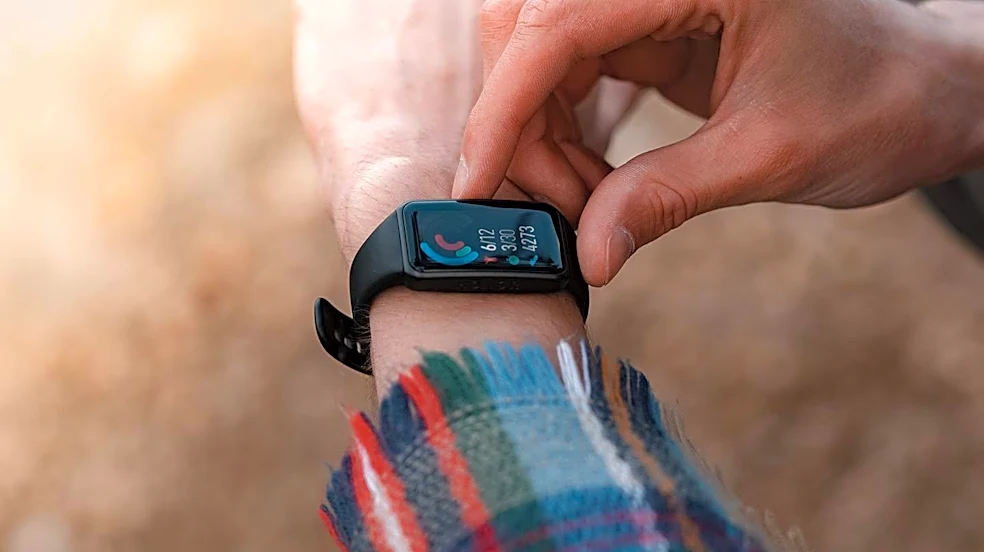
Dr. Clark Madsen, an Intermountain Health sports medicine physician, has issued a caution regarding the reliance on fitness tracker data. While nearly 60% of U.S. adults own wearable health devices, and research indicates these trackers can increase physical
activity, Madsen emphasizes that the data should not be considered completely accurate. He points out that basic physical movement can easily compromise a sensor's accuracy, leading to misleading spikes or dips in readings. Madsen advises against solely trusting device information, stressing that it should not replace professional medical advice or an individual's general understanding of their own health. He notes that patients often become anxious over minor data fluctuations rather than observing broader trends, and encourages users to balance device readings with their physical feelings.
Why It's Important?
This advisory from a medical professional is significant for the growing U.S. wearable technology market and public health. It highlights a critical gap between consumer perception of fitness tracker accuracy and medical reality. The widespread adoption of these devices means that a large segment of the population is making health-related decisions based on data that may be flawed or misinterpreted. This can lead to unnecessary anxiety, self-diagnosis, or, conversely, a false sense of security. For the healthcare industry, it underscores the need for patient education on the limitations of these devices and the importance of professional medical consultation for any health concerns. For device manufacturers, it suggests a responsibility to clearly communicate the accuracy limitations of their products and to potentially integrate features that encourage users to seek professional medical advice when appropriate, rather than relying solely on device-generated alerts.
What's Next?
In the immediate future, consumers are encouraged to adopt a more critical approach to their fitness tracker data, using it as a supplementary tool rather than a definitive health indicator. Medical professionals like Dr. Madsen will likely continue to educate patients on the appropriate use and interpretation of wearable health data. This could lead to increased demand for clearer disclaimers from fitness tracker manufacturers regarding the accuracy and diagnostic capabilities of their devices. There may also be a push for industry standards or guidelines that address the potential for health anxiety caused by misinterpreted data. Over the longer term, this could spur innovation in wearable technology to improve accuracy, particularly in diverse physical activities, and to develop more sophisticated algorithms that provide context-aware health insights, reducing the likelihood of misinterpretation by users.
Beyond the Headlines
Beyond the immediate concerns of data accuracy, Dr. Madsen's comments touch upon the broader societal implications of self-quantification and the 'gamification' of health. The constant monitoring and scoring of bodily functions can shift individuals' focus from holistic well-being to numerical targets, potentially fostering an unhealthy obsession with metrics. This can lead to a disconnect between how one feels and what the data indicates, creating psychological stress. The ethical dimension of data privacy and the potential for commercial exploitation of highly personal health data also loom large. As these devices become more integrated into daily life, there's a need for a societal conversation about the balance between leveraging technology for health improvement and safeguarding mental well-being and privacy in an increasingly data-driven world. The challenge lies in harnessing the benefits of these technologies without inadvertently creating new forms of health-related anxieties or dependencies.