




What's Happening?
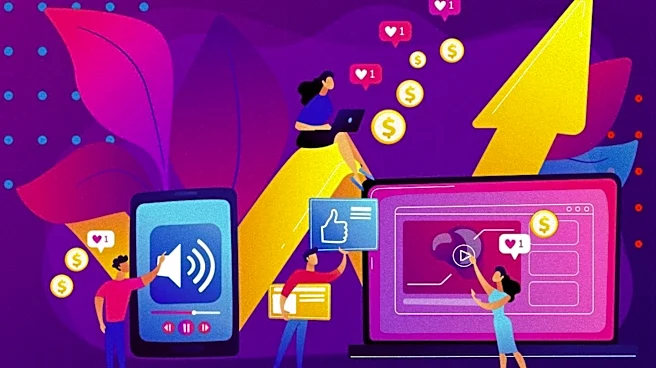
Instagram has broadened its native affiliate program in the U.S. to include major brands such as Shein, Lowe's, and Halara. This expansion allows U.S.-based creators to tag products from these brands in their Reels and feed posts, similar to the existing
Amazon integration. While Instagram publicly announced its Amazon integration in November, the addition of Shein, Lowe's, and Halara was reported by Business Insider to have occurred quietly. The affiliate programs page on Instagram now lists Shein and Impact.com, which facilitates partnerships with Lowe's and Halara, among its live programs. Commission rates for creators vary significantly by brand: Amazon offers 1% to 4%, Shein 2%, Halara 10%, and Lowe's between 8% and 25%. These rates are set by the brands and affiliate platforms, not Instagram, which takes no cut from the earnings. To participate, creators must be 18 or older, have a public professional account, and meet a minimum follower count, typically over 1,000. For brands to have native product tags, they must upload a product catalog to Meta; otherwise, links appear as standard stickers.
Why It's Important?
This expansion of Instagram's affiliate program signifies a strategic move to enhance its e-commerce capabilities and provide new monetization avenues for U.S. creators. By integrating more diverse brands, Instagram aims to capture a larger share of the influencer marketing landscape, directly competing with platforms like TikTok Shop and YouTube Shopping, which have already established their affiliate models. The varying commission rates, particularly Lowe's higher potential earnings, could incentivize creators to promote products from specific brands, potentially shifting marketing efforts and consumer attention. For brands, participating in Instagram's native affiliate program offers a direct channel to leverage creator content for sales, with the added benefit of being able to create partnership ads from posts containing affiliate links. This initiative could reshape how brands engage with influencers and how consumers discover and purchase products, fostering a more integrated shopping experience within the social media platform.
What's Next?
Instagram's affiliate program is expected to continue its gradual rollout, meaning more eligible creators will gain access over time. The platform's help center indicates that joining a program grants the partner the ability to use the creator's content for partnership ads, a feature that has previously caused hesitation among some creators. This aspect will likely remain a point of discussion as more creators join. The success of this expanded program could lead to the inclusion of additional brands and potentially influence commission structures across the industry. As Instagram refines its affiliate offerings, it will likely monitor creator engagement and sales performance to optimize the program. The competition with other social media platforms in the affiliate commerce space is also expected to intensify, potentially leading to further innovations and incentives for creators and brands.
Beyond the Headlines
The expansion of Instagram's affiliate program highlights a broader trend in digital commerce: the increasing convergence of social media and shopping. This move not only provides economic opportunities for creators but also blurs the lines between content creation and direct sales. The ability for brands to repurpose creator content for partnership ads raises questions about intellectual property and the evolving relationship between influencers and advertisers. Furthermore, the varying commission rates across brands could lead to a more strategic approach by creators in selecting partnerships, potentially favoring brands with higher payouts. This shift could influence content trends, as creators might gravitate towards niches that offer more lucrative affiliate opportunities. The initiative also underscores the power of social platforms in shaping consumer behavior and the retail landscape, making them indispensable tools for both marketing and direct sales.