







What's Happening?
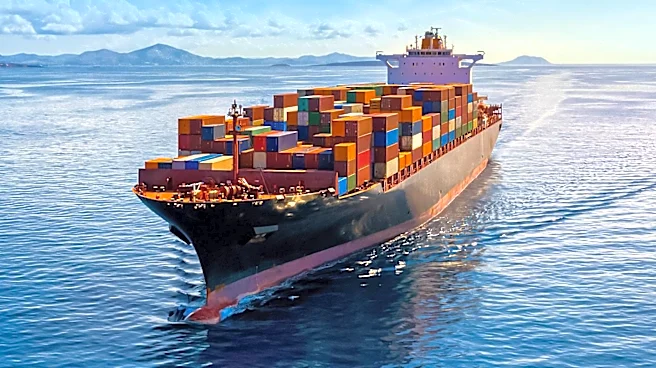
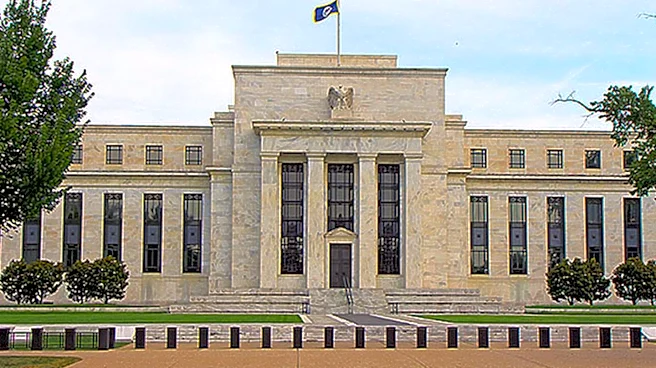
The Federal Reserve Bank of New York has reported a decrease in global supply chain pressures for June, as the effects of the Middle East conflict begin to subside. The bank's Global Supply Chain Pressure Index fell to 1.25 from 1.81 in May. This decline
is attributed to the partial resolution of disruptions caused by the conflict in the Middle East, which had previously brought the transit of goods and energy through the Strait of Hormuz to a near halt. The easing of these pressures is a positive sign for the global economy, which has been grappling with high inflation rates exacerbated by these supply chain issues. New York Fed President John Williams has acknowledged the elevated inflation levels but expressed optimism that inflation pressures will moderate as supply disruptions are resolved.
Why It's Important?
The easing of supply chain pressures is significant for the U.S. and global economies, as it suggests a potential stabilization of inflation rates. The conflict in the Middle East had severely impacted the transit of goods, contributing to inflationary pressures worldwide. With the resolution of some of these disruptions, there is hope for a reduction in energy and related goods prices, which could lead to a broader economic recovery. This development is crucial for businesses and consumers alike, as it may lead to more predictable pricing and improved availability of goods. The Federal Reserve's monitoring of these pressures is vital for informing monetary policy decisions aimed at controlling inflation.
What's Next?
As the situation in the Middle East continues to stabilize, further reductions in supply chain pressures are anticipated. This could lead to a gradual decrease in inflation rates, aligning closer to the Federal Reserve's target. Economists and policymakers will be closely watching the developments in the region and their impact on global trade routes. The Federal Reserve may adjust its monetary policy in response to these changes, potentially affecting interest rates and economic growth. Businesses will need to remain agile, adapting to shifts in supply chain dynamics and consumer demand.