






What's Happening?
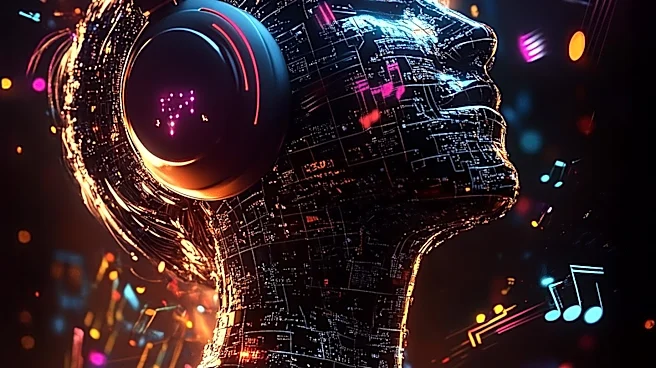
Quantara, a music mastering service, is now offering specialized mastering for AI-generated music from platforms such as Suno, Udio, and Mureka. These AI generators are adept at quickly producing musical ideas and full songs, but the output is typically
a 'mix' rather than a 'master.' Mastering is the crucial final stage that transforms a mix into a release-ready record, ensuring consistent loudness, preventing clipping on streaming services, and refining the overall tone and stereo image. AI-generated audio often presents inconsistencies in loudness between generations, can be quieter than commercially released tracks, and may experience inter-sample peaks that lead to clipping when re-encoded by streaming platforms. Quantara addresses these issues by measuring integrated loudness (ITU-R BS.1770 / EBU R128), normalizing it to platform references, controlling true peaks below -1 dBTP, and enhancing the tone and stereo image. This process aims to make AI-generated tracks competitive with professionally produced music.
Why It's Important?
This development is significant for the burgeoning AI music industry, as it bridges the gap between raw AI output and professional-grade audio. By providing mastering services, Quantara enables creators using AI tools to produce music that meets industry standards for quality and consistency. This is crucial for the wider acceptance and commercial viability of AI-generated music. Without proper mastering, AI tracks risk sounding amateurish or inconsistent, which could hinder their appeal to listeners and their placement on streaming platforms. The ability to achieve consistent loudness and prevent clipping ensures a better listening experience and compliance with the technical requirements of major music distribution channels. This service could accelerate the integration of AI-generated music into mainstream consumption, potentially opening new revenue streams for AI music creators and platforms.
What's Next?
The availability of professional mastering services for AI-generated music is likely to encourage more artists and producers to experiment with AI tools, knowing that their creations can achieve a polished, release-ready sound. This could lead to an increase in the volume and quality of AI-generated music entering the market. As the technology evolves, more specialized services catering to the unique characteristics of AI audio may emerge. The music industry will continue to grapple with questions of authorship, copyright, and fair compensation as AI's role in music creation expands. The success of services like Quantara will also depend on their ability to adapt to new AI music generators and evolving industry standards, further solidifying the place of AI in the future of music production.
Beyond the Headlines
The emergence of mastering services for AI music highlights a broader trend of AI tools becoming integral to creative industries. While AI can generate content rapidly, human expertise remains essential for refinement and quality control. This collaboration between AI and human professionals redefines traditional roles in music production, shifting the focus from manual creation to curation, enhancement, and strategic deployment of AI-generated elements. It also raises philosophical questions about the nature of artistry and the value of human input in a world where machines can produce complex creative works. The acceptance and integration of AI-mastered music could influence how audiences perceive and value music, potentially leading to new aesthetic standards and consumption patterns. This evolution underscores the need for ongoing dialogue about the ethical and practical implications of AI in creative fields.