








What's Happening?
A study conducted by researchers at Imperial College London has revealed that retired British professional soccer players exhibit structural brain differences and higher rates of anxiety and depression, yet do not show signs of cognitive decline. The
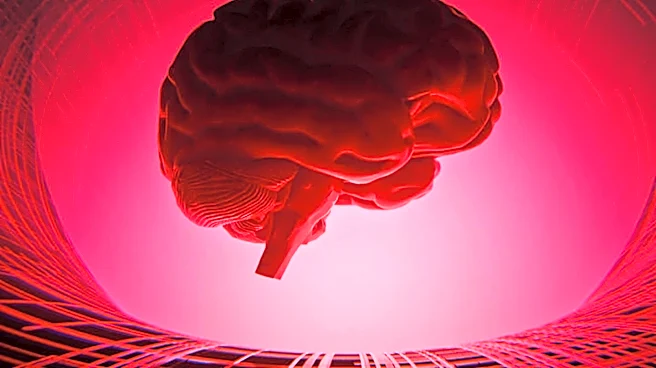
study involved 142 former players aged between 30 and 60, compared to 56 similarly aged individuals with no history of contact sports. The research aimed to determine if repetitive impacts, such as heading the ball, increase the risk of developing dementia. Brain scans indicated that the former players had less brain tissue in areas controlling memory and emotion compared to the control group. However, only 2% of the athletes showed signs of severe brain shrinkage indicative of progressive neurodegeneration. The study, which has not yet been peer-reviewed, is part of a broader effort to treat repetitive head impacts as a modifiable risk factor for dementia.
Why It's Important?
This study is significant as it challenges the assumption that repetitive head impacts in sports inevitably lead to cognitive decline or dementia. By showing that retired soccer players can have brain changes without cognitive impairment, the research suggests that other factors may contribute to dementia risk. This could influence how sports organizations and medical professionals approach the management and prevention of brain injuries in athletes. The findings also highlight the need for ongoing monitoring and support for athletes' mental health, given the higher rates of anxiety and depression observed. Understanding these dynamics is crucial for developing effective interventions and policies to protect athletes' long-term brain health.
What's Next?
Researchers plan to continue monitoring the study participants every two years to track neurological changes over time. This long-term study aims to provide more comprehensive data on the relationship between sports-related head impacts and dementia risk. The research team also intends to expand the study with a larger sample size and additional analyses. These future efforts could lead to more definitive conclusions and potentially influence guidelines for sports safety and athlete health management. Stakeholders such as sports organizations, healthcare providers, and policymakers may need to consider these findings in their strategies to mitigate brain injury risks.