





What's Happening?
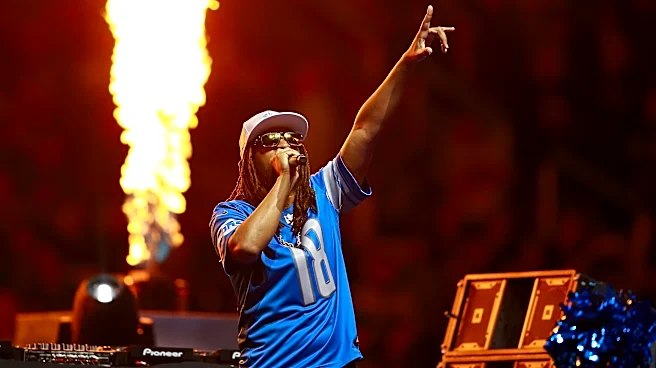
Rapper and producer Lil Jon recently appeared on CNN’s “All There Is with Anderson Cooper” podcast, where he openly discussed the profound grief he is experiencing after the accidental drowning of his 27-year-old son, Nathan, also known as DJ Young Slade,
in February. During the emotional interview, Lil Jon recounted his final conversation with Nathan, in which he apologized to his son for previous frustrations, a moment that brought him peace knowing Nathan felt loved. He described the agonizing process of making funeral arrangements and serving as a pallbearer, a responsibility he felt as a father. Lil Jon also revealed a separate, unexpected source of grief: discovering at age 53, while researching his memoir, that the man who raised him was not his biological father. Both men have since passed away, leaving him with unanswered questions and a sense of mourning for the life he believed he knew. Despite these personal tragedies, Lil Jon has continued to perform, including a world tour with Pitbull, which he admitted became a way to avoid confronting his pain.
Why It's Important?
Lil Jon's public sharing of his grief journey holds significant importance for several reasons. Firstly, it destigmatizes discussions around parental loss and the complex nature of grief, particularly for men and public figures who often feel pressure to maintain a strong facade. His candidness about using work as a coping mechanism and his subsequent realization through therapy can resonate with many who struggle with similar avoidance behaviors. Secondly, the revelation about his biological father adds a layer of complexity to his experience of loss, highlighting how identity and family history can profoundly impact one's emotional well-being, even later in life. This aspect of his story can encourage broader conversations about adoption, paternity, and the search for personal roots. Lastly, by choosing to speak openly about his pain, Lil Jon is leveraging his platform to offer solace and guidance to others navigating similar struggles, emphasizing that it is "okay to cry" and to process emotions rather than suppress them. This contributes to a more empathetic and understanding societal approach to mental health and bereavement.
What's Next?
Lil Jon intends to continue sharing his experiences, viewing it as part of his purpose to help others who are struggling with grief. He hopes that by speaking openly, he can encourage individuals to process their pain rather than suppress it. This commitment suggests he may continue to use his platform, potentially through further interviews, public appearances, or even his memoir, to advocate for open discussions about mental health and bereavement. His message, "Don’t suppress the pain, and don’t stop living," is likely to become a central theme in his public discourse moving forward. For his young daughter, he aims to set an example of embracing life and expressing emotions, rather than letting sadness define his memories. This personal commitment to healthy grieving practices could influence his future artistic endeavors and public persona, potentially leading to projects that reflect his journey and offer support to his audience.
Beyond the Headlines
Lil Jon's decision to share such deeply personal and painful experiences transcends typical celebrity news, touching upon universal themes of loss, identity, and emotional resilience. His story highlights the ethical dimension of public figures using their platforms to address sensitive topics, potentially fostering a more empathetic and understanding society. The revelation about his biological father introduces a profound cultural and psychological implication: the ongoing search for identity and belonging, even when one has achieved significant success. This aspect underscores how foundational family narratives are to an individual's sense of self, and how their disruption, even years later, can trigger a new wave of grief and self-discovery. Furthermore, his candidness about therapy and the importance of allowing oneself to mourn challenges traditional notions of strength, particularly within certain cultural contexts, promoting a healthier, more holistic view of emotional well-being. His journey could inspire a broader cultural shift towards greater openness about mental health and the complexities of grief.