



What's Happening?
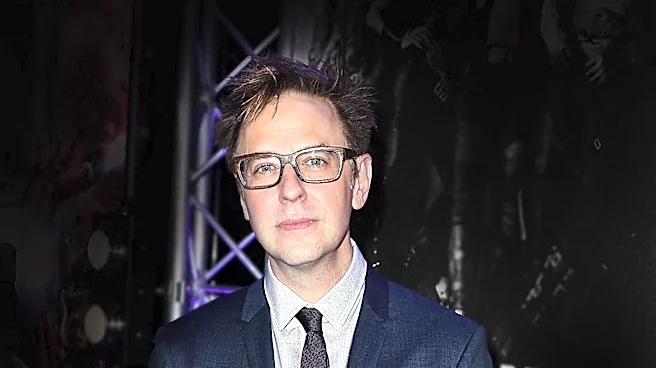
Filmmaker James Gunn and actor Chris Pratt have recently brought renewed attention to a long-standing plot hole in the classic film 'Back to the Future.' The debate centers on why Marty McFly's parents, George McFly and Lorraine Baines, fail to recognize
their son as an adult, despite spending nearly a week with his teenage self in 1955, knowing him as 'Calvin Klein.' This public discussion by Gunn and Pratt has prompted the film's co-writer, Bob Gale, to once again explain his reasoning. Gale has consistently argued that the encounter was too brief and too far in the past for a reliable memory, suggesting that George and Lorraine would only remember 'Calvin' as an interesting kid who helped bring them together, rather than connecting him to their future son. The persistence of this debate, even 40 years after the film's release, highlights the enduring scrutiny fans apply to time-travel narratives.
Why It's Important?
This ongoing discussion, fueled by prominent figures like James Gunn and Chris Pratt, underscores the cultural impact and longevity of 'Back to the Future.' It demonstrates how certain cinematic details can resonate with audiences for decades, sparking continuous analysis and debate. For the entertainment industry, it illustrates the power of fan engagement and the way classic films continue to be re-examined through modern lenses. The need for a co-writer to repeatedly address a plot point highlights the meticulous nature of fan scrutiny, particularly in genres like science fiction that deal with complex logical frameworks. This phenomenon also showcases how social media and celebrity commentary can reignite discussions around established cultural touchstones, keeping them relevant across generations and potentially influencing how future films are crafted to avoid similar perceived inconsistencies.
What's Next?
The 'Back to the Future' plot hole is likely to remain a topic of discussion among fans, especially with its periodic resurgence through celebrity commentary. While co-writer Bob Gale has provided a consistent explanation, the nature of fan communities and online discourse suggests that the debate will continue to resurface. This ongoing engagement could inspire new fan theories, analyses, or even creative works that attempt to address or reinterpret the perceived inconsistency. For the creators of future time-travel narratives, this enduring debate serves as a cautionary tale, emphasizing the importance of airtight logic and consistent world-building to prevent similar long-term scrutiny. The film's status as a pop culture icon ensures that discussions around its intricacies will persist, potentially influencing how new generations of viewers engage with and critique cinematic storytelling.
Beyond the Headlines
The enduring debate surrounding the 'Back to the Future' plot hole delves into deeper psychological and philosophical implications regarding memory, identity, and the nature of time. The film's premise, where a brief encounter in the past is seemingly forgotten in the future, challenges our understanding of how significant events are retained or altered by the passage of time and the development of personal relationships. Ethically, it raises questions about the malleability of memory and how our perceptions of individuals can change drastically over decades. Culturally, the film's ability to spark such prolonged discussion speaks to its profound impact on storytelling and its role in shaping audience expectations for narrative consistency, particularly in complex genres. This ongoing conversation highlights the human fascination with paradoxes and the desire to reconcile fictional narratives with real-world logic, demonstrating the intellectual engagement that popular culture can inspire.