







What's Happening?
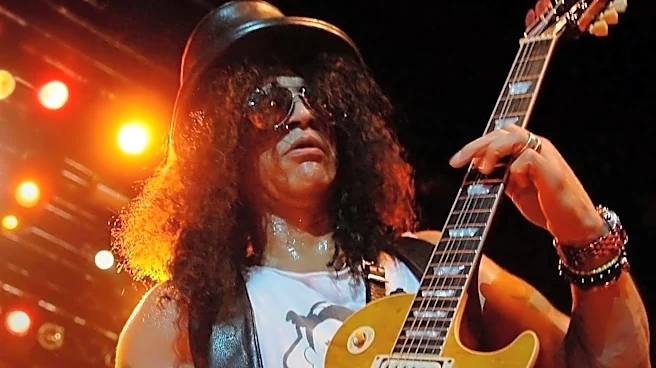
Universal Studios Hollywood's Halloween Horror Nights has launched a new haunted house called KILLceañera: Music by Slash, which draws heavily from Latin American mythology. The attraction tells the story of an orphaned girl who hosts her quinceañera
in the ruins of her childhood home, inviting her bullies during Día de los Muertos. Guests will encounter various legendary Latin American figures, including La Llorona, El Cucuy, El Silbón, La Lechuza, Tlahuelpuchi, La Mala Hora, and El Charro. The concept originated in 2018 when creative director John Murdy observed a quinceañera procession. To ensure cultural authenticity, Murdy collaborated with Grammy-winning musician Slash for the score and an internal team of employees with diverse Latin American backgrounds. This initiative is part of a broader trend at Universal Studios Hollywood to incorporate multicultural horror storytelling into its attractions, following previous efforts like a 2019 scare zone based on Asian spirits and a 2024 haunted house featuring deaf representation.
Why It's Important?
This development signifies a growing recognition and integration of diverse cultural narratives within mainstream entertainment, particularly in the U.S. theme park industry. By featuring Latin American mythology, Universal Studios Hollywood is tapping into a rich cultural heritage that resonates with a significant portion of the U.S. population, offering a more inclusive and authentic experience for attendees. This move can broaden the appeal of events like Halloween Horror Nights beyond traditional horror fans, attracting audiences who appreciate cultural representation. The involvement of an internal team with Latin American backgrounds underscores a commitment to authenticity, which is crucial for avoiding cultural appropriation and ensuring respectful portrayal. This shift also reflects a broader industry trend where audiences are increasingly seeking out diverse storytelling that moves beyond conventional tropes, as noted by experts like Abraham Castillo Flores and Isabela Livino, who highlight the depth and universal themes present in various cultural horror traditions.
What's Next?
The positive reception to KILLceañera and other multicultural attractions suggests that Universal Studios Hollywood may continue to expand its focus on diverse storytelling in future Halloween Horror Nights events. Creative director John Murdy has noted overwhelmingly positive feedback from guests, including unsolicited letters and park interactions, indicating a strong demand for such content. This success could encourage other theme parks and entertainment venues to explore similar culturally rich themes, potentially leading to a more diverse landscape of attractions across the U.S. The collaboration with cultural experts and community members to ensure authenticity is likely to become a standard practice for such projects. Furthermore, the integration of musical talents like Slash demonstrates a commitment to high-quality production, which could set a new benchmark for culturally inspired entertainment experiences.
Beyond the Headlines
The success of KILLceañera highlights a deeper cultural shift in the U.S. entertainment industry, moving towards more inclusive and representative narratives. This trend not only enriches the entertainment landscape but also plays a role in cultural education and appreciation. By presenting Latin American legends in a popular setting like Halloween Horror Nights, Universal Studios Hollywood is making these stories accessible to a wider audience, potentially fostering greater understanding and respect for different cultural traditions. This initiative also challenges the traditional dominance of Western horror tropes, demonstrating that compelling and terrifying stories exist across all cultures. The emphasis on authenticity, achieved through collaboration with individuals from relevant cultural backgrounds, sets an important precedent for how cultural content should be developed and presented, ensuring that representation is meaningful and respectful rather than superficial. This approach can contribute to a more culturally literate and empathetic society.