





What's Happening?
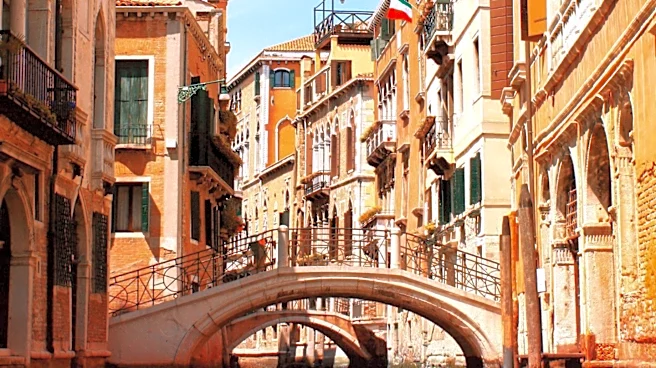
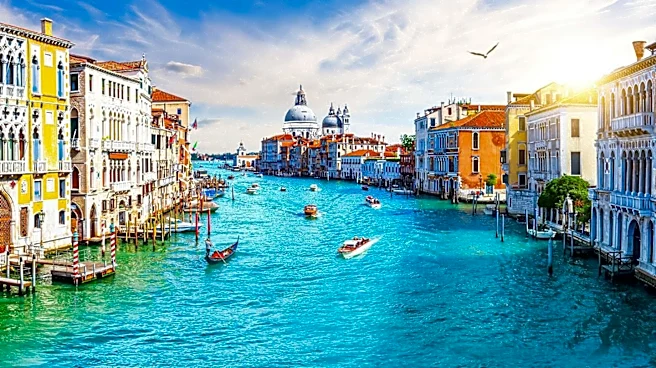
Venice, Italy, is presented as a multifaceted travel destination, offering experiences beyond typical tourist crowds. Travelers can find nut-free dining options at establishments like Gelateria Gallonetto and Antico Martini, where staff are noted for
accommodating allergy requests, sometimes even providing separate utensils or bread. The city also features cultural attractions such as the Querini Stampalia, a sixteenth-century palace housing a museum, library, and modern architecture, which is often less crowded than other Venetian sites. This location is particularly noted for its unique design by Carlo Scarpa, who integrated the city's acqua alta (tidal flooding) into the building's ground floor. Additionally, Venice serves as a starting point for exploring the broader Veneto region, which includes cities like Padua and Verona. While some sources suggest avoiding September-October due to high tourist activity, others recommend visiting during early hours or exploring less-trafficked areas to enhance the experience.
Why It's Important?
The diverse offerings in Venice highlight a growing trend in the travel industry towards catering to specific traveler needs, such as dietary restrictions, and providing authentic cultural experiences away from mass tourism. The availability of nut-free dining options is crucial for travelers with allergies, demonstrating an increasing awareness and accommodation by international hospitality services. This focus on inclusivity can broaden the appeal of destinations like Venice to a wider range of visitors. Furthermore, promoting less-crowded cultural sites like Querini Stampalia helps to distribute tourist traffic, potentially alleviating pressure on over-visited areas and offering a more intimate experience of Venetian history and art. The emphasis on exploring the Veneto region also encourages longer stays and deeper engagement with Italian culture beyond the most famous landmarks, contributing to regional economies and promoting sustainable tourism practices.
What's Next?
Travelers planning a trip to Venice can expect continued efforts by local businesses to cater to diverse needs, including dietary restrictions, as the tourism industry adapts to evolving demands. The promotion of less-crowded attractions and regional exploration is likely to continue, encouraging visitors to discover the broader cultural and historical richness of the Veneto region. Airlines, such as American Airlines, will continue to offer flights to Venice, facilitating access for international travelers. Visitors should consider checking local forecasts for acqua alta, especially between October and January, as it can impact access to certain areas, though some sites like Querini Stampalia are designed to manage it. Future travel guides and platforms may further emphasize personalized itineraries and off-the-beaten-path experiences to enhance visitor satisfaction and promote sustainable tourism in Venice and its surroundings.
Beyond the Headlines
The portrayal of Venice as a city offering both mainstream and niche experiences, including allergy-friendly dining and less-crowded cultural sites, reflects a broader shift in global tourism. This evolution moves beyond mere sightseeing to encompass more personalized, inclusive, and authentic travel. The integration of modern architectural design, like Carlo Scarpa's work at Querini Stampalia, with historical preservation, showcases a dynamic approach to cultural heritage. This blend allows for contemporary engagement with ancient sites, offering new perspectives on urban challenges like tidal flooding. The discussion of Venice as a 'theme park' by some, contrasted with recommendations for deeper exploration, highlights an ongoing tension between mass tourism and the preservation of local culture and authenticity. This dynamic underscores the ethical responsibility of travelers and the tourism industry to support practices that benefit local communities and maintain the unique character of destinations.