




What's Happening?
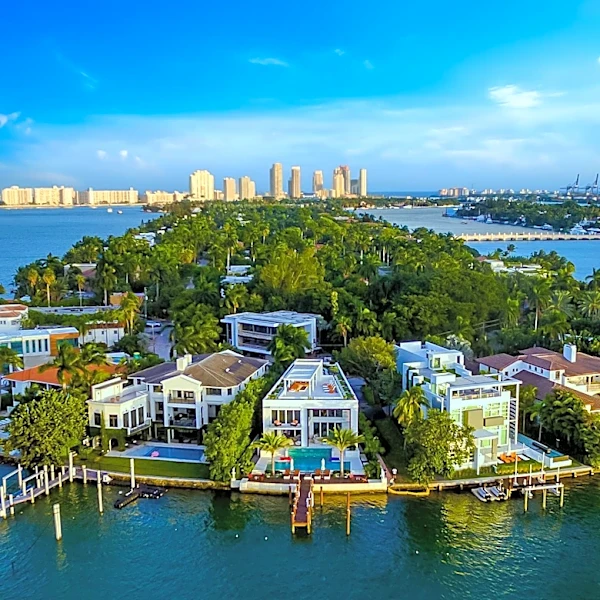
Speculative home developer Todd Michael Glaser is undertaking a major project in Miami Beach, planning a new megamansion on a waterfront property on North Bay Road. Glaser and his partners at the Posner Group acquired the 2.3-acre site last year for $105
million. The proposed megamansion is expected to list for over $300 million, which would surpass recent high-profile real estate transactions in the area, including Mark Zuckerberg’s $170 million purchase on Indian Creek Island. This development is part of a broader trend where Glaser has capitalized on South Florida's luxury real estate boom, constructing and renovating high-end residences for wealthy buyers, particularly those relocating from the Northeast and technology centers. The area is known for attracting billionaires due to its favorable business and political environment, as noted by Glaser.
Why It's Important?
This project highlights the continued surge in the ultra-luxury real estate market in South Florida, demonstrating sustained demand from high-net-worth individuals despite global economic uncertainties. The potential $300 million listing price signifies a new benchmark for residential property values in the region, further solidifying South Florida's status as a prime destination for the ultra-wealthy. The influx of capital from other U.S. regions, particularly during and after the pandemic, has fueled this growth, impacting local economies and urban development. The aggressive strategies employed by developers like Glaser, including flipping contracts and demolishing older homes for contemporary structures, reflect the intense competition and high stakes within this niche market. This trend also raises questions about urban planning, preservation of architectural heritage, and the accessibility of housing in areas experiencing such rapid luxury development.
What's Next?
The development of the megamansion on North Bay Road will proceed, with Glaser expressing confidence in the local market's continued upward trajectory. The listing of the property at over $300 million will test the market's capacity for such high-value transactions and could set new precedents for luxury real estate pricing in the U.S. Future developments may include more projects of similar scale as developers continue to cater to the demand from billionaires drawn to South Florida. The ongoing demand for limited oceanfront land suggests that ultra-luxury residential development will remain a significant aspect of the region's real estate landscape, potentially leading to further transformations of coastal communities.
Beyond the Headlines
The pursuit of such extravagant properties by developers like Todd Michael Glaser reflects broader societal trends, including increasing wealth concentration and the evolving definition of luxury living. The demolition of older, Mediterranean-style homes to make way for contemporary megamansions raises cultural and ethical considerations regarding architectural preservation and the character of historic neighborhoods. The aggressive business tactics, such as quickly flipping contracts and direct approaches to sellers, underscore the high-pressure environment of the ultra-luxury real estate sector. This phenomenon also highlights the significant economic impact of wealth migration on local communities, influencing everything from property taxes to the availability of services and infrastructure. The long-term implications could include further gentrification and a widening gap between luxury and affordable housing markets in desirable coastal areas.