






What's Happening?
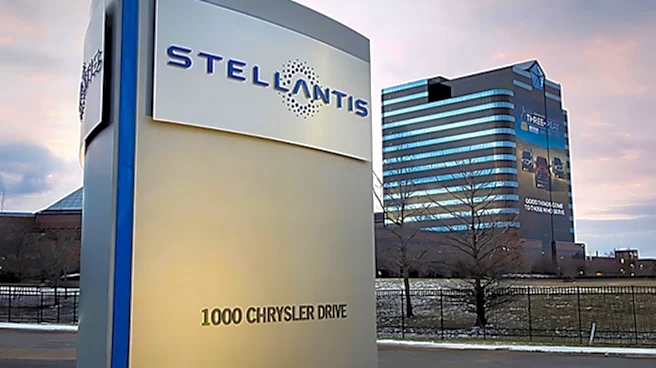
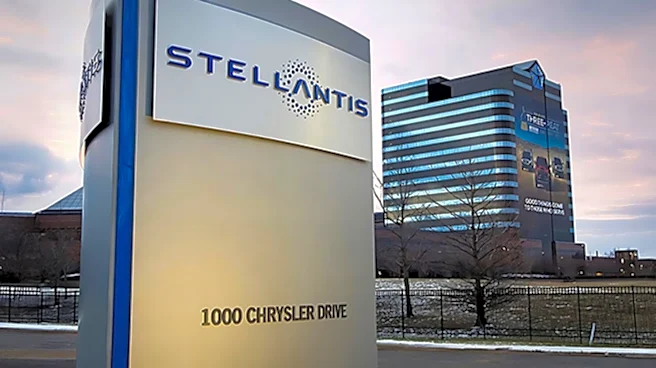
Stellantis, a global automaker, is actively developing hybrid, plug-in hybrid, and range-extender commercial vans. This strategic shift is in response to the slower-than-anticipated adoption rate of fully electric models in the commercial vehicle market,
as confirmed by Emanuele Cappellano, head of Stellantis Pro One. The company aims to offer a broader range of powertrain choices to van operators, moving beyond traditional diesel and fully electric options. Stellantis believes that the commercial vehicle market requires more time to mature towards full electrification, necessitating intermediate technologies. While specific models and production timelines have not been revealed, the company's next-generation commercial vehicle platforms are designed to accommodate various powertrains, including electric, internal combustion, and a strong focus on hybrid systems. This approach could lead to different levels of electrification across its Citroen, Fiat, Peugeot, and Vauxhall commercial vehicle ranges.
Why It's Important?
This development is significant for the U.S. automotive industry and its consumers, particularly businesses relying on commercial vehicles. By introducing hybrid and range-extender options, Stellantis is addressing a critical gap in the market where fully electric vans may not yet be practical for all operators due to concerns about range, charging infrastructure, and cost. This flexibility could help accelerate the transition to more environmentally friendly vehicles without imposing immediate, drastic changes on businesses. For U.S. companies, especially small operators, these new options could offer a more affordable and operationally viable path to reducing fuel consumption and emissions. It also signals a pragmatic approach from a major automaker, acknowledging the real-world challenges of electrification and offering solutions that bridge the gap between current capabilities and future environmental goals. This could influence other manufacturers to adopt similar strategies, fostering a more diverse and adaptable commercial vehicle market.
What's Next?
Stellantis plans to introduce 11 new commercial vehicle models by 2030, which will likely incorporate these new hybrid and range-extender technologies across its compact, medium, and large van segments. The company is also working on making batteries more affordable, extending electric ranges, and improving fast-charging solutions. While the specific models to receive these powertrains and their electric-only range are yet to be announced, the production of its next-generation large van is targeted to begin at the Atessa plant in Italy in early 2029. This new large van is expected to underpin replacements for models like the Citroen Relay, Fiat Ducato, Peugeot Boxer, and Vauxhall Movano. The key challenge for Stellantis will be to deliver these more complex hybrid solutions at a price point that operators are willing to pay, ensuring their widespread adoption and market success.
Beyond the Headlines
The move by Stellantis highlights a broader industry trend where automakers are navigating the complexities of transitioning to electric vehicles while meeting diverse customer needs and regulatory pressures. The emphasis on hybrid and range-extender technologies reflects a recognition that a one-size-fits-all approach to electrification may not be sustainable, especially in sectors like commercial transport. This strategy could lead to a more gradual and inclusive shift towards sustainable mobility, allowing businesses to adapt at their own pace. It also underscores the ongoing debate between regulatory mandates for rapid electrification and the practical realities of market readiness and infrastructure development. The success of Stellantis's flexible powertrain approach could set a precedent for how other global automakers manage their transition away from traditional internal combustion engines, potentially influencing future policy decisions and investment in charging infrastructure.