
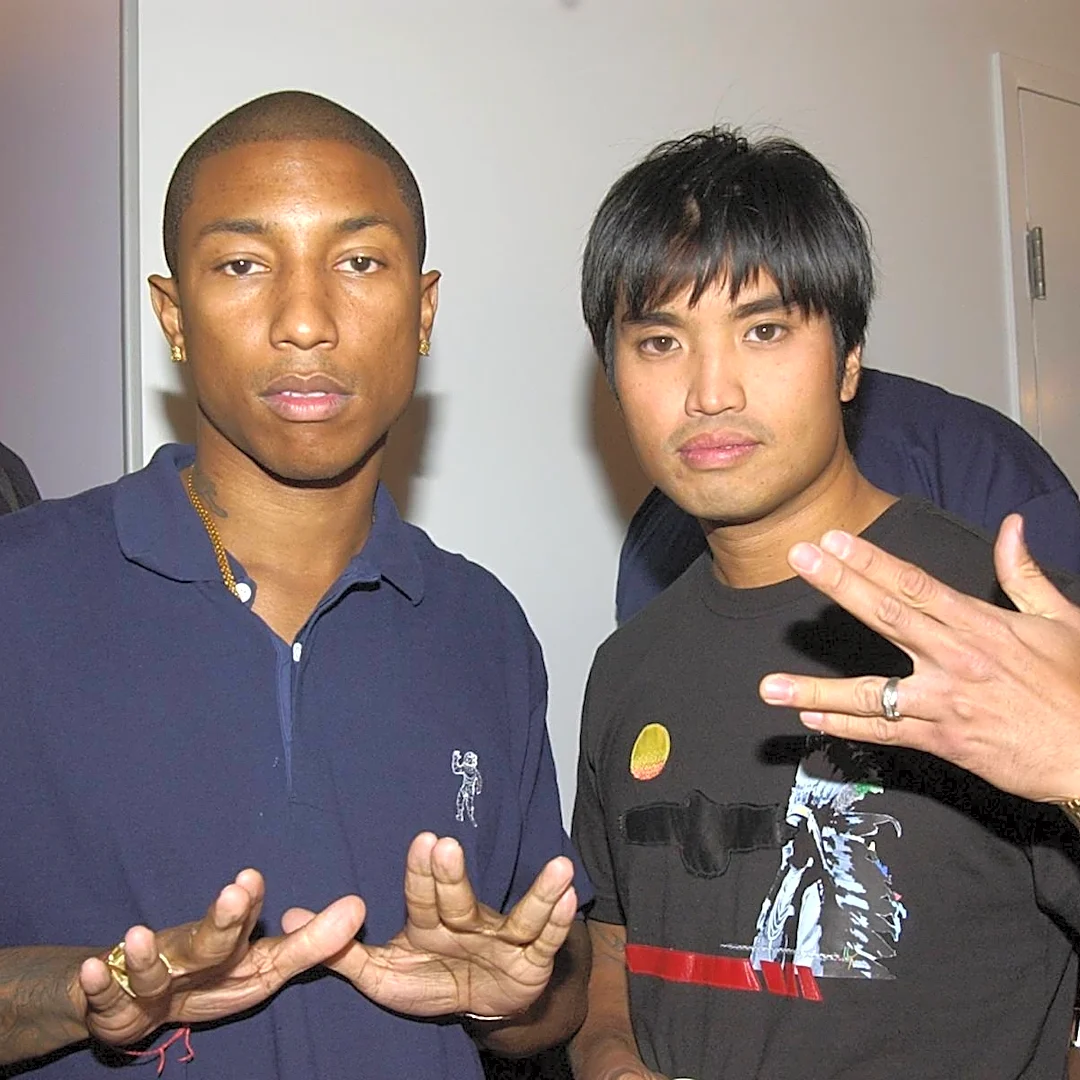





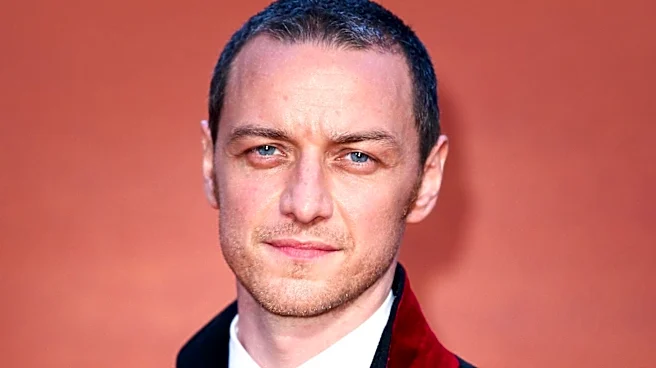


What's Happening?
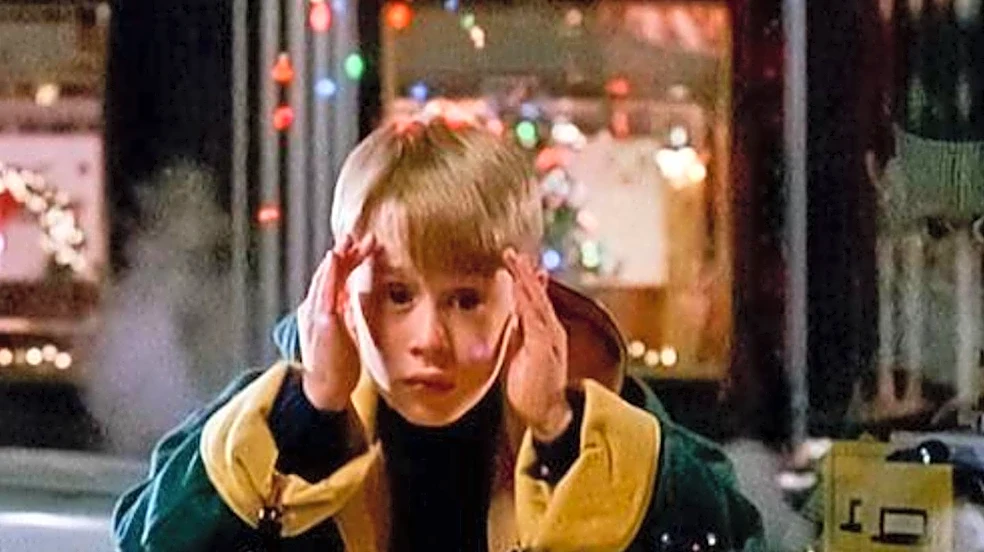
Macaulay Culkin rose to prominence in the early 1990s with his role in "Home Alone," becoming a globally recognized child actor. His career was marked by rapid commercial success, with "Home Alone" grossing $475 million globally. By age 14, Culkin stepped
back from acting, citing 'creative burnout and lack of meaningful roles' as reasons for his retreat, as reported by *Entertainment Weekly* in 2017. In contrast, Mason Gamble, another child star from the 1990s, pursued a different trajectory. Gamble's career, while also starting young, was characterized by more selective roles in actor-driven projects. He later enrolled at the University of Southern California's School of Cinematic Arts at 18, graduating in 2018 with a degree in film production. Gamble has since moved behind the camera, directing short documentaries focused on identity and celebrity, which have been lauded for their intimate perspective.
Why It's Important?
The contrasting career paths of Macaulay Culkin and Mason Gamble offer significant insights into the pressures and long-term impacts of child stardom. Culkin's experience highlights the intense scrutiny and potential for burnout associated with meteoric success at a young age, leading to a deliberate withdrawal from the industry. Gamble's more measured approach, focusing on artistic growth and later transitioning to behind-the-camera work, demonstrates an alternative strategy for navigating early fame and establishing a sustainable career in the entertainment industry. Their stories collectively illustrate the diverse ways child actors adapt to public life, media scrutiny, and the challenge of redefining their identities beyond their initial roles. This comparison is crucial for understanding the psychological and professional challenges inherent in growing up in the public eye.
What's Next?
For Macaulay Culkin, his past actions suggest a continued focus on personal interests outside of mainstream acting, including music, writing, and advocacy. While he has made occasional public appearances, a full return to the intense acting schedule of his youth seems unlikely. Mason Gamble, having established himself as a director of documentaries, is expected to continue his work in filmmaking, focusing on projects that explore personal truths and social justice. His trajectory indicates a commitment to creative production and storytelling from a behind-the-scenes perspective. Both individuals' future endeavors will likely continue to reflect their distinct approaches to navigating and redefining success beyond the traditional expectations of child stardom, potentially influencing how future generations of child actors manage their careers.
Beyond the Headlines
The narratives surrounding child stars often focus on vulnerability and brevity, but Culkin and Gamble's experiences reveal a more complex reality. Their stories challenge the conventional media framing of early talent, demonstrating resilience and a conscious effort to shape their identities beyond their initial fame. Culkin's retreat and subsequent re-entry into artistic endeavors, alongside Gamble's pivot to directing, signify a broader generational shift among former child stars who seek purpose beyond box office receipts. This trend highlights a growing desire for authenticity and control over one's narrative, moving away from the spectacle of early fame towards more meaningful and self-directed creative pursuits. Their journeys prompt a re-evaluation of how society perceives and supports young individuals thrust into the public spotlight.