



What's Happening?
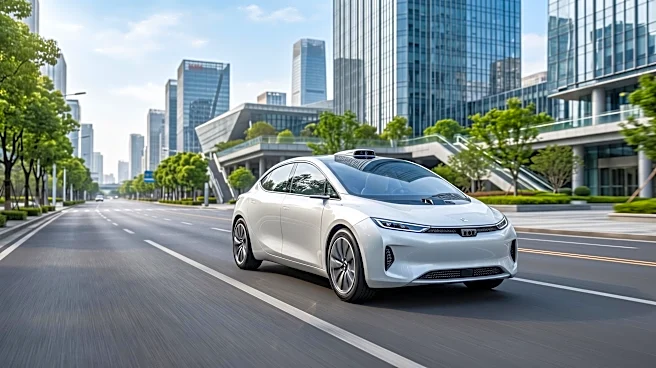
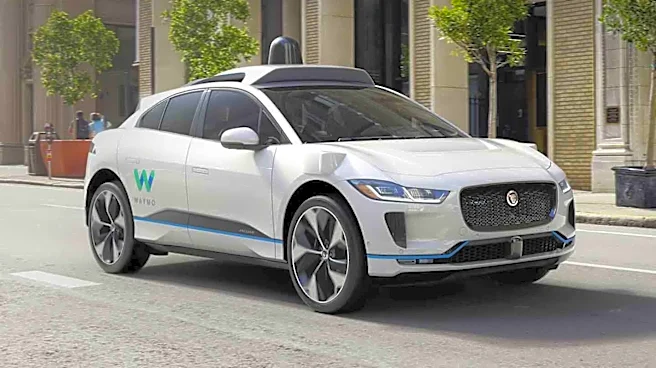
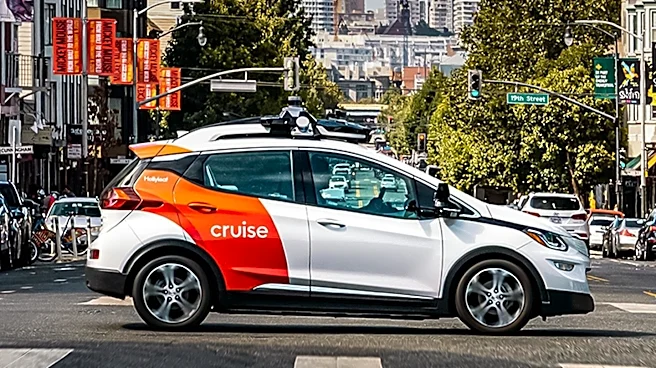
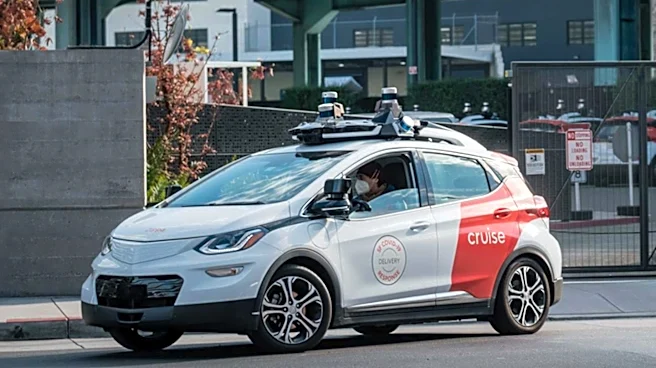
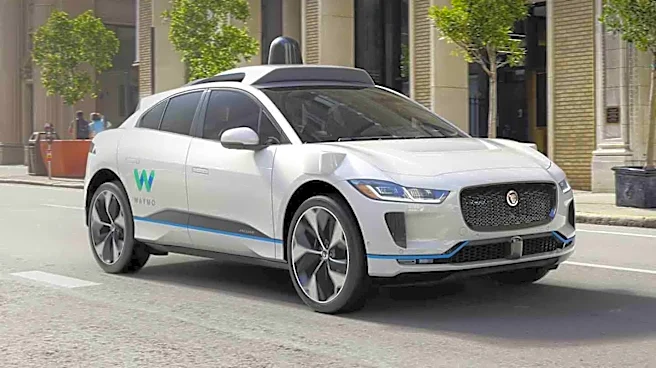
The robotaxi industry is experiencing rapid expansion, with companies like Waymo and Tesla actively pursuing autonomous driving ambitions. Despite this growth, the sector continues to grapple with significant technical challenges that hinder the widespread
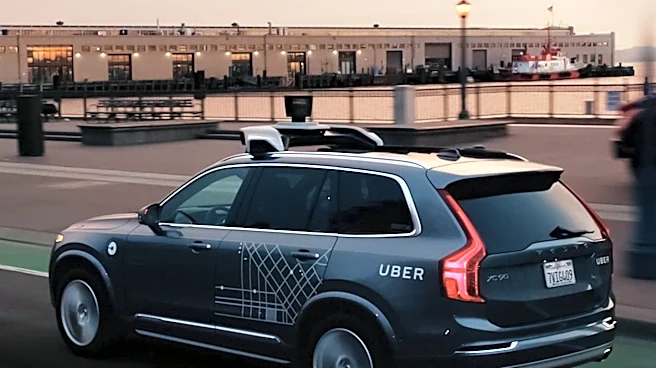
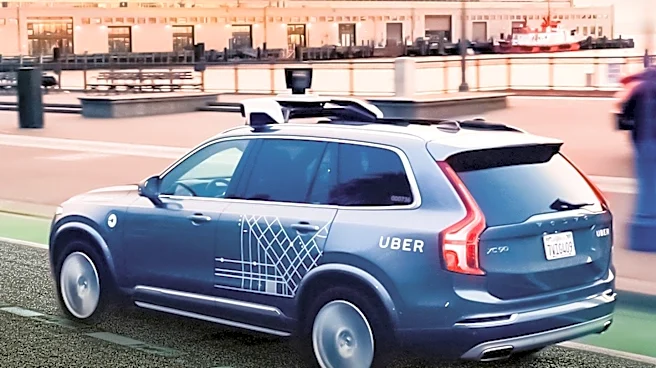
deployment of self-driving cars. Experts Travis Hoium, Lou Whiteman, and Rachel Warren recently revisited the progress of key players, discussing the ongoing hurdles in achieving fully autonomous fleets. They also explored the complex economics involved in operating these advanced systems, including the costs associated with development, maintenance, and regulatory compliance. The discussion highlighted the competitive landscape, involving established tech giants and ride-sharing companies like Uber and Lyft, alongside specialized autonomous driving firms such as WeRide and Mobileye.
Why It's Important?
The ongoing 'robotaxi race' has profound implications for the future of transportation, urban planning, and various industries in the U.S. The technical challenges, such as navigating unpredictable environments and ensuring absolute safety, are critical for public acceptance and regulatory approval. Overcoming these hurdles could unlock massive economic opportunities, including reduced transportation costs, increased efficiency, and new service models. Conversely, failure to address these challenges could lead to significant financial losses for companies investing heavily in the technology and could delay the widespread adoption of autonomous vehicles. The economic viability of operating autonomous fleets is also a key concern, as it will determine which companies can sustain long-term operations and ultimately dominate the market. The success or failure of these ventures will impact job markets, infrastructure development, and consumer behavior across the nation.
What's Next?
The robotaxi industry is expected to see continued investment in research and development to overcome existing technical challenges. Companies will likely focus on refining their AI algorithms, improving sensor technology, and enhancing safety protocols to meet stringent regulatory requirements. We can anticipate further strategic partnerships and potential consolidation as companies seek to pool resources and accelerate development. Regulatory bodies will also play a crucial role, as they work to establish comprehensive frameworks for the safe operation of autonomous vehicles. The expansion of services by companies like Waymo and Tesla will serve as key indicators of progress and market acceptance. The economic models for robotaxi services will also evolve, with companies exploring various pricing strategies and operational efficiencies to achieve profitability. The competition among major players, including Uber and Lyft, will drive innovation and potentially lead to more accessible and affordable autonomous transportation options.
Beyond the Headlines
Beyond the immediate technical and economic considerations, the rise of robotaxis presents deeper societal and ethical questions. The widespread adoption of autonomous vehicles could lead to significant shifts in urban design, potentially reducing the need for parking spaces and altering traffic patterns. There are also ethical dilemmas surrounding decision-making in unavoidable accident scenarios, where autonomous systems might have to prioritize one life over another. The impact on employment, particularly for professional drivers, is another critical long-term implication that policymakers will need to address. Furthermore, data privacy and cybersecurity concerns associated with collecting and processing vast amounts of real-time data from autonomous fleets will become increasingly important. The 'robotaxi race' is not just about technological innovation; it's about reshaping fundamental aspects of modern life and raising complex questions about human-machine interaction and societal values.