



What's Happening?
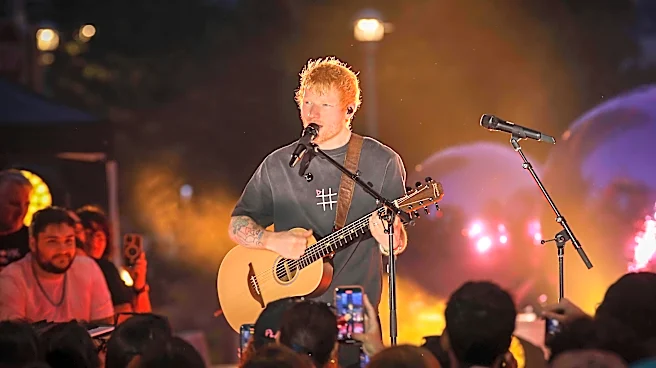
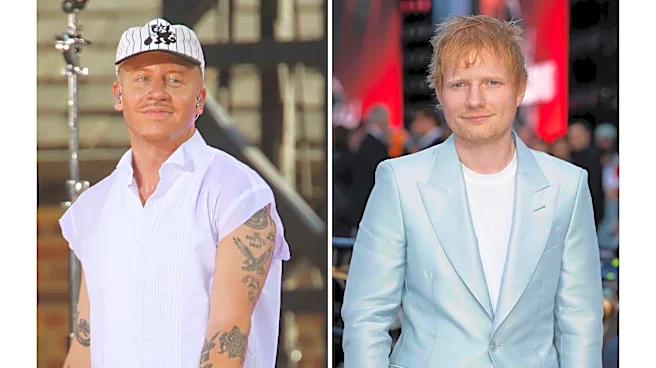
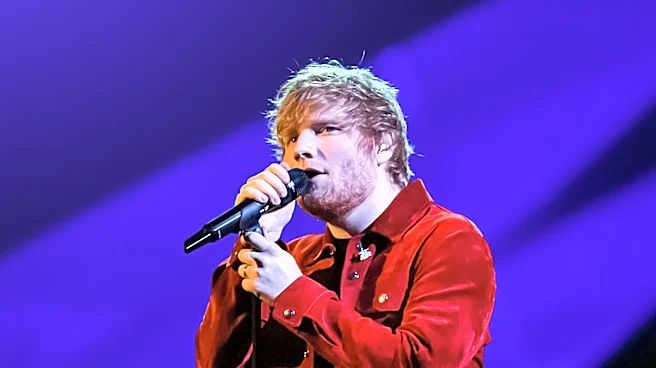
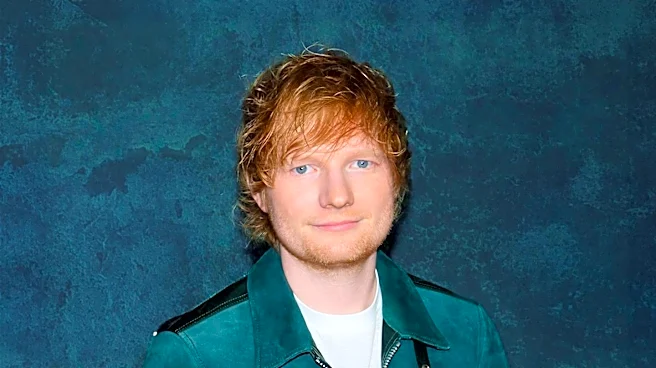
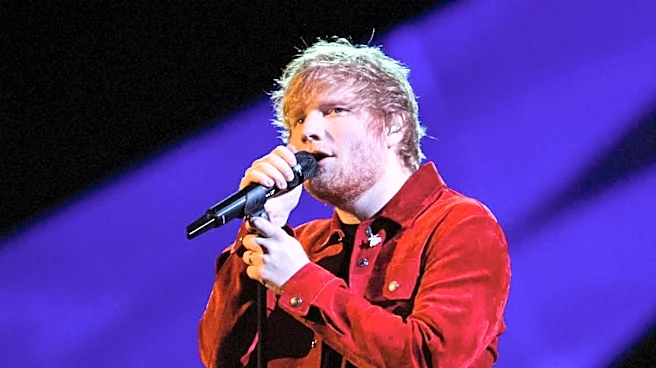
Ed Sheeran has publicly distanced himself from a controversy involving rapper Macklemore, who was reportedly removed from Sheeran's tour dates following comments in support of Palestinians. In an Instagram post on Tuesday, Sheeran clarified that he did
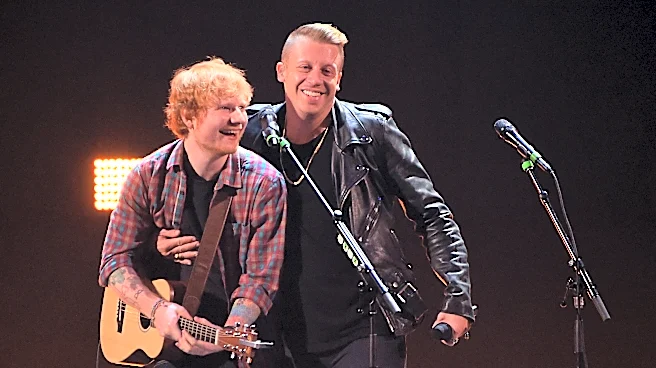
not personally push Macklemore off his tour, stating, "I am not complicit." He acknowledged having personal views on the "devastating conflict" but chooses not to speak publicly about them. The controversy began earlier this month when Macklemore, performing on Sheeran's bill at MetLife Stadium, publicly advocated for "Free Palestine" and performed his song "Hind's Hall," which refers to Israel's actions in Gaza as a "genocide." This led to criticism from groups like the Anti-Defamation League and StopAntisemitism, as well as from New England Patriots owner Robert Kraft, who reportedly called Sheeran personally. Sheeran is scheduled to play at Kraft's Gillette Stadium next month. Sheeran emphasized that Macklemore's contract was with the tour promoter, Messina Touring Group, not directly with him, and that he spent a week trying to "build a bridge" during the situation.
Why It's Important?
This incident highlights the increasing pressure on public figures, particularly musicians, to take stances on geopolitical issues, and the potential professional repercussions of doing so. For the U.S. entertainment industry, it underscores the complex interplay between artistic expression, political activism, and business interests, especially when involving influential figures like Robert Kraft. The controversy reveals how deeply divisive international conflicts can impact domestic cultural events and the careers of artists. It also brings to light the challenges artists face in navigating their personal beliefs versus their professional obligations and public image. The involvement of prominent figures and organizations like the Anti-Defamation League demonstrates the significant societal and political weight carried by discussions surrounding the Israeli-Palestinian conflict within the U.S. context, affecting everything from sports ownership to music tours.
What's Next?
The immediate aftermath will likely see continued scrutiny of Ed Sheeran's and Macklemore's public statements and actions. Sheeran's upcoming performance at Robert Kraft's Gillette Stadium will be closely watched for any further developments or protests. Macklemore, having garnered vocal support from various celebrities, activists, and politicians, including Reps. Pramila Jayapal and Ilhan Omar, and Greta Thunberg, may continue to use his platform to advocate for his views, potentially leading to further engagements or controversies. The incident could also prompt other artists and tour promoters to re-evaluate their policies regarding political expression during performances, potentially leading to more explicit contractual clauses or increased caution in booking artists with strong political stances. The broader conversation about artistic freedom versus corporate interests in the U.S. entertainment landscape is likely to intensify.
Beyond the Headlines
This controversy delves into the deeper ethical and cultural dimensions of celebrity activism and corporate responsibility. Sheeran's attempt to remain "apolitical" while navigating a highly charged political issue reflects the difficult position many public figures find themselves in. The incident raises questions about the extent to which artists are expected to use their platforms for social and political commentary, and the consequences when their views clash with powerful stakeholders. It also highlights the growing influence of social media in amplifying both support and criticism for artists' political stances, as seen with Macklemore's widespread backing. The involvement of figures like Robert Kraft, who has significant influence across sports and entertainment, underscores the interconnectedness of various industries and the potential for economic leverage to impact artistic freedom. This event could contribute to a long-term shift in how artists and their management approach political engagement, potentially leading to more strategic and cautious public discourse on sensitive global issues.