




What's Happening?
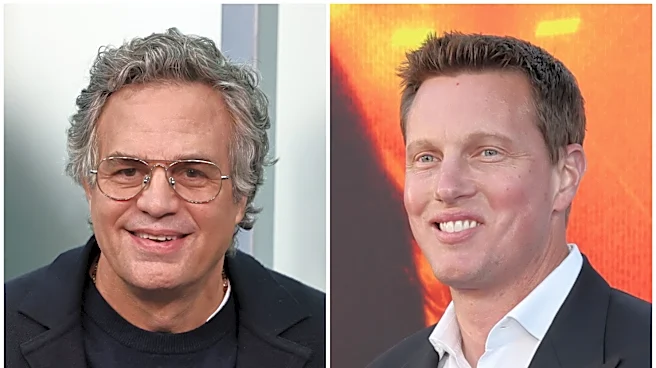
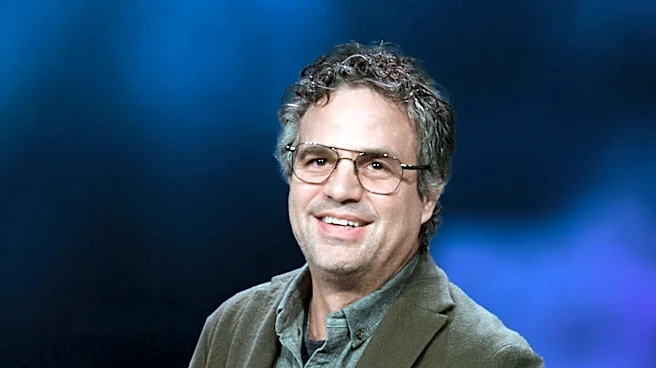
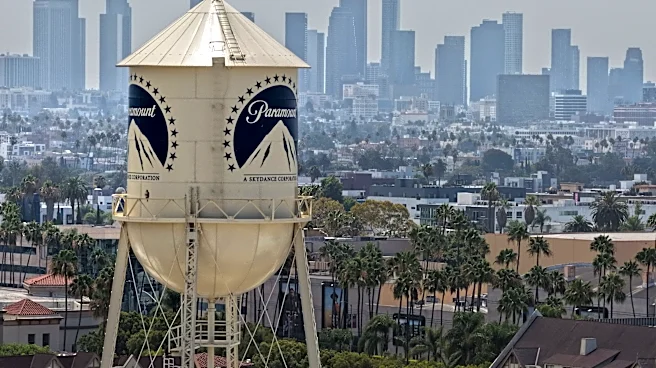
Paramount has issued a strong rebuttal against actor Mark Ruffalo, accusing him of using "antisemitic tropes" in his criticism of the proposed $110 billion merger between Paramount and Warner Bros. Ruffalo had taken to social media to express his opposition,
sharing an old video of former Oracle CEO Safra Catz discussing "profoundly scary technology" and linking it to the merger. He alleged that Oracle CEO Larry Ellison was funding his son David Ellison's acquisition of Warner Bros., and that these technologies would be merged into a massive media conglomerate, potentially used against the public. Ruffalo also described Ellison as a "classic Oligarch" who is "crushing workers and consolidating the wealth of the world." Paramount's statement emphasized that such language, particularly terms like "genocide" and "apartheid" applied to a corporate transaction, is "a bridge too far" and "cheapen the very real suffering those words are meant to describe." The company urged for a reduction in rhetoric and a focus on the legal merits of the merger, asserting its commitment to diverse content and storytellers without blacklists.
Why It's Important?
This incident highlights the volatile intersection of corporate mergers, celebrity activism, and accusations of antisemitism, creating a significant public relations challenge for Paramount. The company's forceful response indicates its determination to defend the merger and its reputation against what it perceives as inflammatory and baseless accusations. For the entertainment industry, such public disputes involving high-profile figures can complicate business dealings and draw unwanted scrutiny. The use of strong language by Ruffalo and the subsequent accusation of antisemitism by Paramount underscore the heightened sensitivity around political and social commentary, particularly when it touches upon complex geopolitical issues. This controversy could influence public perception of the merger and potentially impact its regulatory approval process, as the states challenging the acquisition have already raised concerns about antitrust violations.
What's Next?
Paramount has stated its intention to focus on the legal merits of the merger and has called for less rhetoric and more understanding. The company's statement suggests it will not engage further in the public debate with Ruffalo. Ruffalo, in turn, has defended his comments, calling the antisemitism accusation "appalling" and asserting that his criticism is directed at corporate actions and not Jewish people. The proposed merger continues to face challenges, with a dozen states, including California and New York, arguing that it violates the Clayton Antitrust Act. Paramount has asked a federal judge to require these states to post a $1.88 billion bond to cover potential delays, as the company faces a $7 million per day fee if the merger is not finalized by September 30. The legal battles and public discourse surrounding the merger are expected to continue as the deadline approaches.
Beyond the Headlines
This controversy delves into the broader implications of corporate power, media consolidation, and the role of public figures in shaping narratives. Ruffalo's comments, regardless of their intent, illustrate how criticisms of corporate structures can quickly become entangled with accusations of prejudice, particularly in the current socio-political climate. The incident also highlights the challenges faced by large corporations in navigating public opinion and managing their image during high-stakes business transactions. The debate over the merger itself reflects ongoing concerns about market concentration in the media industry, with critics arguing that such consolidations can limit competition, reduce content diversity, and potentially harm workers. The legal and public relations outcomes of this situation could set precedents for how similar disputes are handled in the future, influencing both corporate communication strategies and the boundaries of celebrity activism.