






What's Happening?
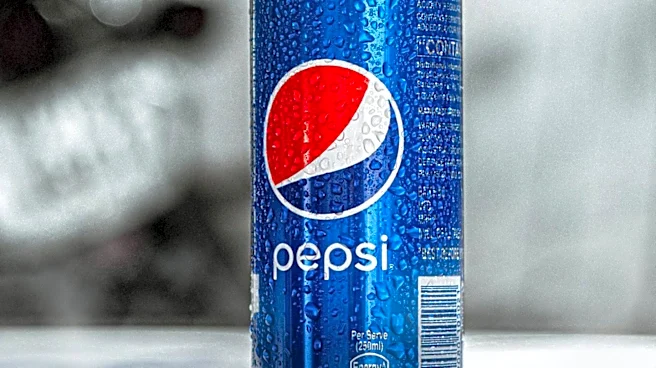
Ramon Laguarta, CEO of PepsiCo, has announced that the company will implement additional structural cost reductions in the coming months. These cost-cutting measures are intended to fund investments aimed at accelerating organic revenue growth. This strategic
move comes as PepsiCo continues to demonstrate strong financial performance, particularly in its international markets. The company's organic revenue, which excludes the impact of foreign currency fluctuations, grew by 3% year-over-year in the third quarter, marking its highest growth rate since the fourth quarter of 2023. The international business was a significant contributor to this growth, with an 8% increase in organic revenue. PepsiCo also maintains a robust dividend policy, having marked its 54th consecutive annual dividend increase, solidifying its status as a 'Dividend King'—a company that has increased its dividends for at least 50 years without interruption. The stock currently yields approximately 4.3%, with the dividend accounting for about 75% of its trailing free cash flow.
Why It's Important?
PepsiCo's strategy to reduce costs to fuel organic revenue growth is significant for several reasons. For investors, particularly those focused on dividend stocks, the company's commitment to increasing its payout for 54 consecutive years, coupled with a 4.3% yield, makes it an attractive long-term investment. The focus on international growth, where organic revenue is up 8%, indicates a successful diversification strategy that mitigates risks associated with any single market. This approach also signals confidence in PepsiCo's ability to innovate and expand its market share globally. The cost reductions are crucial for maintaining profitability and funding new initiatives, ensuring the company remains competitive in the dynamic food and beverage industry. This move could set a precedent for other large consumer goods companies looking to balance shareholder returns with strategic growth investments, especially in a challenging economic environment where cost efficiency is paramount.
What's Next?
In the coming months, PepsiCo is expected to detail the specific structural cost reductions and the investments they will fund. These investments are likely to target areas that can further accelerate organic revenue growth, potentially including new product development, marketing campaigns, and expansion into emerging markets. The company's continued focus on international growth suggests further efforts to capitalize on opportunities outside its established domestic markets. Investors will be closely watching for the impact of these strategies on PepsiCo's financial performance, particularly its organic revenue growth and free cash flow. The sustained dividend increases are also a key factor for shareholders, and the company's ability to maintain this trend will be a strong indicator of its financial health and strategic success. Future announcements regarding these initiatives will provide more clarity on the company's trajectory.
Beyond the Headlines
PepsiCo's strategic emphasis on cost reduction to fund growth reflects a broader trend in mature industries where companies seek to optimize operations while simultaneously investing in innovation and market expansion. This approach highlights the delicate balance between maintaining profitability for shareholders and driving future growth. The 'Dividend King' status not only underscores PepsiCo's financial stability but also its long-term commitment to returning value to investors, which can attract a stable base of shareholders. The success of these cost-cutting and investment strategies could influence how other large consumer packaged goods companies manage their portfolios and allocate capital. Furthermore, the focus on organic revenue growth, particularly internationally, points to the increasing importance of global markets for U.S.-based corporations in sustaining long-term viability and mitigating domestic market saturation.