

What's Happening?
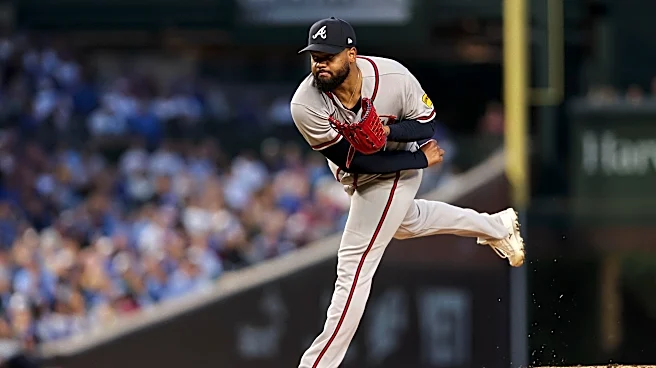
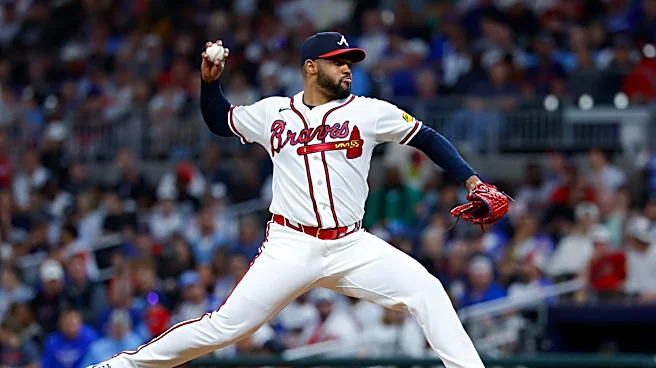
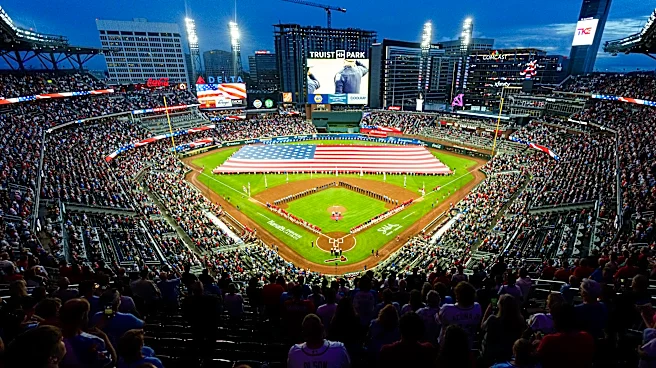
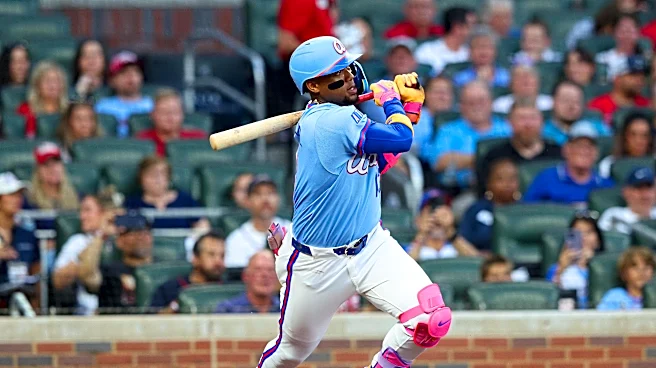
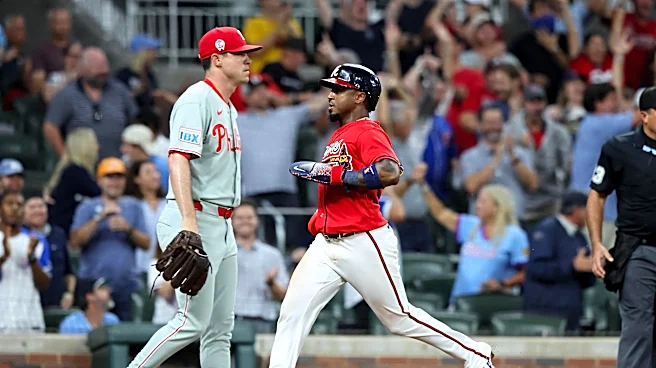
The Atlanta Braves are currently leading the NL East standings by 4.5 games over the Philadelphia Phillies, with a magic number of seven to clinch the division title. Despite their strong on-field performance, a prominent institutional shareholder, Breach
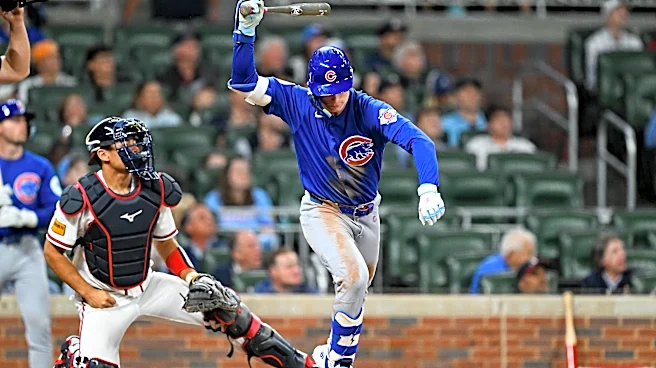
Inlet Capital Management, is urging the board of directors of Atlanta Braves Holdings Inc. to consider a formal sale of the franchise or take the company private. Breach Inlet Capital, which has held a stake in the company for nearly a decade, argues that the team is substantially undervalued in the public market. This comes as the Braves recently lost to the Chicago Cubs 7-3, though they maintain a comfortable lead in their division. The investment firm highlights booming sports valuations, impending labor uncertainty in MLB, and upcoming tax law changes as reasons why now is an optimal time to pursue a transaction. Breach Inlet founder Chris Colvin has specifically pointed to record-setting sales of other professional sports franchises as evidence of the Braves' undervaluation.
Why It's Important?
This development is significant for both the sports industry and financial markets, particularly for publicly traded sports entities. The call for a sale by a major shareholder underscores a growing trend of professional sports teams being viewed as highly valuable assets, often exceeding their public market valuations. For the Atlanta Braves, a potential sale or privatization could lead to a substantial financial windfall for shareholders, as Breach Inlet Capital's analysis suggests the team's baseball operations are currently valued at roughly $2.5 billion, which they believe is significantly lower than its true market potential. This valuation does not fully account for the estimated $1.3 billion value of The Battery Atlanta, the mixed-use development surrounding Truist Park. The firm cites recent transactions like the Los Angeles Lakers selling for $12.5 billion and MLB's Los Angeles Angels and San Diego Padres announcing sales at $4 billion and $3.9 billion, respectively, to illustrate the potential for a much higher valuation for the Braves. A sale could also impact the team's long-term operational strategies and fan experience, depending on new ownership.
What's Next?
Breach Inlet Capital Management has sent a public letter to the board of Atlanta Braves Holdings Inc., urging them to fulfill their fiduciary duty to all shareholders and evaluate a potential sale. While billionaire media mogul John Malone holds effective voting control of Atlanta Braves Holdings, the investment firm is pushing for a formal process. If the board declines a public sale, Colvin has urged Malone to consider submitting a formal bid to take the company private. The letter also warns of risks associated with holding the team beyond 2026, specifically mentioning a potential Major League Baseball lockout, as the league’s current collective bargaining agreement is set to expire on December 1, 2026. An extended work stoppage, driven by owner demands for a salary cap and player resistance, could negatively impact baseball's recent gains in attendance and television viewership. Neither Atlanta Braves Holdings nor team officials have issued a public response to the letter as of yet.
Beyond the Headlines
The shareholder's push for a sale of the Atlanta Braves highlights a broader discussion about the financialization of professional sports and the increasing disconnect between public market valuations and private market transactions for sports franchises. The argument that the Braves are undervalued, even with a successful mixed-use development like The Battery Atlanta, suggests that traditional financial metrics may not fully capture the intangible value and growth potential of sports teams. This situation could set a precedent for other publicly traded sports organizations, prompting similar shareholder activism if their market valuations lag behind private sales. Furthermore, the mention of impending labor uncertainty in MLB, specifically a potential lockout, underscores the inherent risks and complexities in the business of professional sports, where collective bargaining agreements can significantly impact financial stability and team operations. The outcome of this shareholder pressure could influence how sports franchises are structured and valued in the future, potentially leading to more teams exploring private ownership to maximize their perceived value.