




What's Happening?
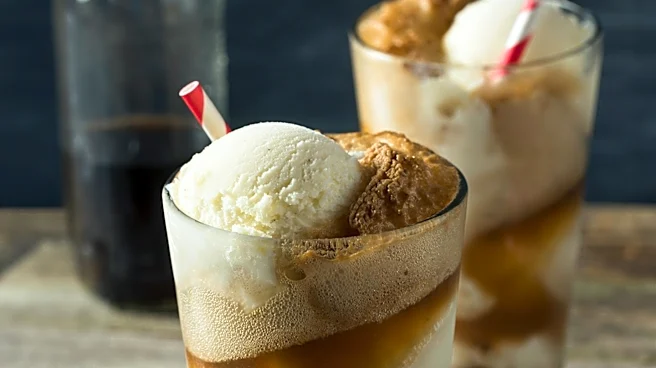
Gen Z's preference for cold beverages is significantly reshaping the U.S. and global beverage industry, with Starbucks reporting that cold drinks now constitute 75% of its total sales, and 70% of its U.S. revenue. This demographic, born between 1997 and 2012,
prioritizes customization, social media appeal, and functional benefits in their drink choices. They are willing to pay premium prices for tailored beverages with added health features or custom ingredients. This trend extends beyond the U.S., with consumers under 25 in Britain choosing cold drinks for over 60% of their away-from-home beverage purchases. Major fast-food and coffee chains, including Dunkin', McDonald's, Chick-fil-A, and Taco Bell, are adapting their menus to cater to this demand by expanding their cold beverage portfolios, introducing items like iced fruit drinks, protein shakes, and customized iced beverages with flavor syrups and cold foams.
Why It's Important?
This generational shift in beverage consumption has profound implications for the U.S. food and beverage industry. Companies that fail to adapt to Gen Z's preferences risk losing market share, while those that innovate in cold beverage offerings and customization stand to gain significantly. The emphasis on 'affordable luxury' and visual appeal means that marketing strategies must evolve to engage this demographic, particularly through social media. This trend also influences supply chains, requiring companies to adjust production and distribution to meet year-round demand for cold drinks, even in traditionally hot beverage markets. The willingness of Gen Z to pay more for customized and functional beverages could lead to higher profit margins for companies that successfully cater to these desires, driving further product development in this segment.
What's Next?
The beverage industry is expected to continue its rapid innovation in cold drink offerings, with a focus on unique flavors, functional ingredients, and highly customizable options. Companies will likely invest more in research and development to create new cold beverage formats and expand existing lines. Marketing efforts will increasingly target Gen Z through digital platforms and social media, emphasizing the aesthetic and personalized aspects of their products. We can anticipate more collaborations with public figures and limited-edition releases to generate buzz and drive foot traffic, similar to Starbucks' successful Unicorn Frappuccino campaign. Furthermore, the demand for year-round cold beverages will necessitate adjustments in operational strategies, including inventory management and staff training, to ensure consistent availability and quality.
Beyond the Headlines
The Gen Z-driven shift towards cold, customized beverages reflects a broader cultural trend of personalization and self-expression. For this generation, a drink is not just a refreshment but an extension of their identity and a social statement, often shared on social media. This phenomenon highlights the power of consumer-driven trends to reshape established industries and challenges traditional notions of seasonal consumption. It also underscores the importance of understanding generational values, such as a desire for control over choices and a willingness to invest in experiences that align with personal preferences. This could lead to a future where product development is even more agile and responsive to micro-trends, driven by real-time consumer data and social media engagement.