




What's Happening?
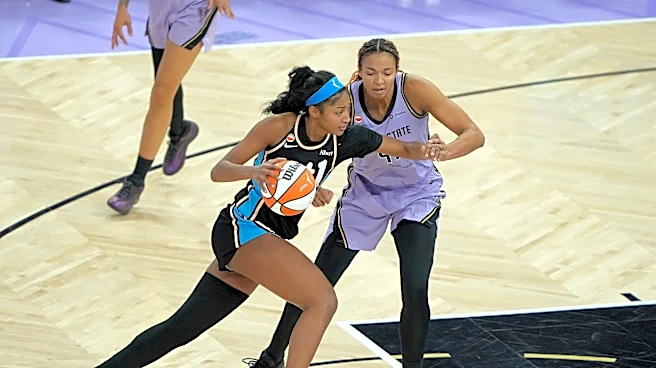
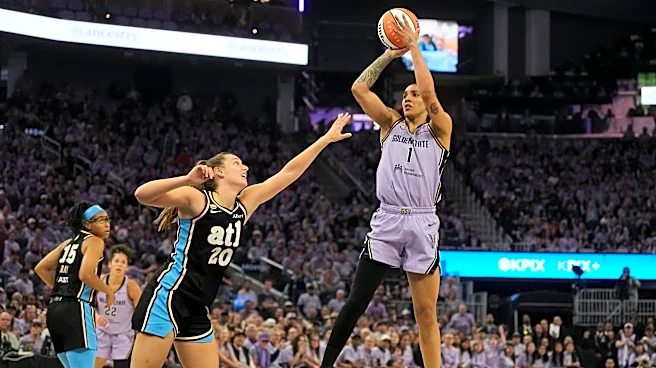
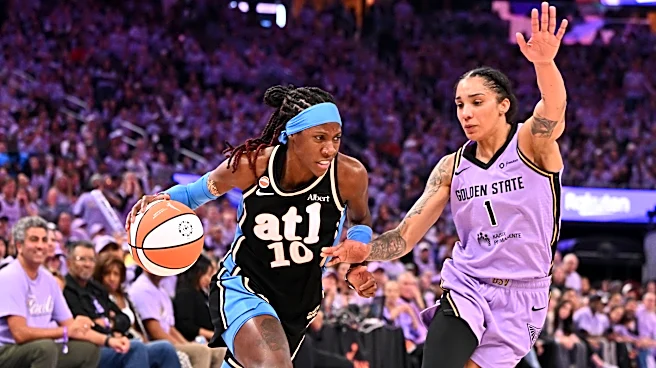
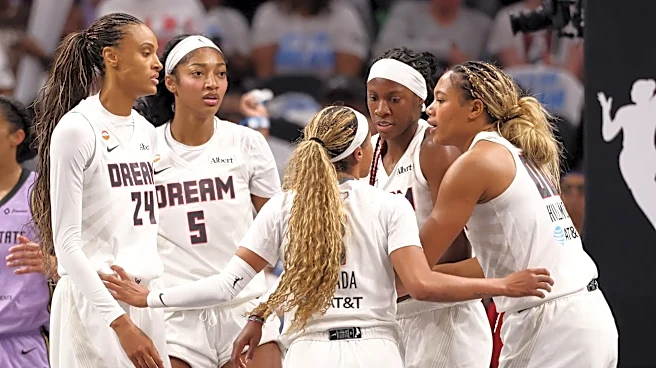
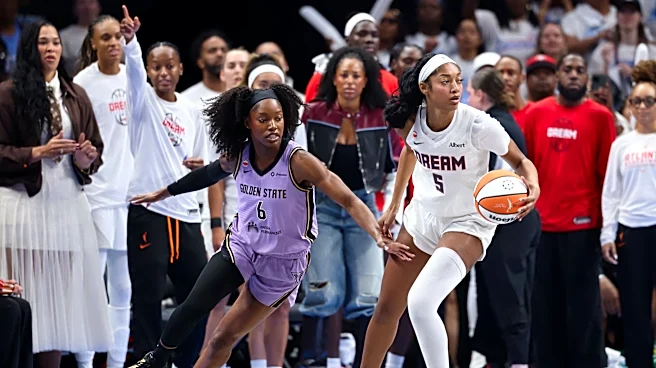
Atlanta Mayor Andre Dickens has issued a public request to employers and educators in Atlanta, asking them to allow students and workers flexibility to watch Game 6 of the WNBA Finals. The Atlanta Dream are scheduled to play the Golden State Valkyries
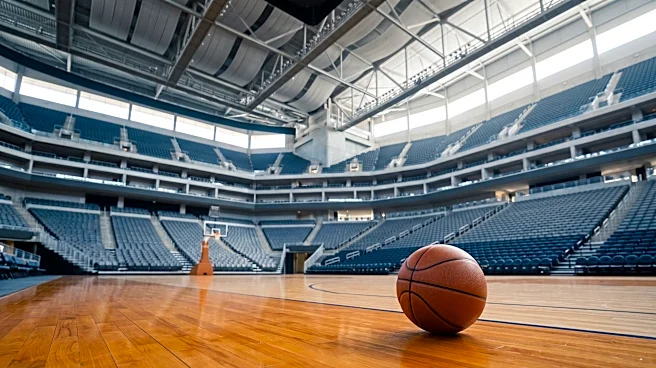
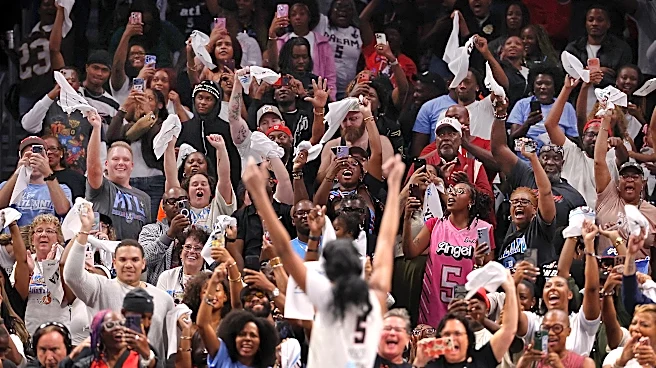
on October 29, 2026, at 12:30 p.m. at State Farm Arena. This midday timing conflicts with typical school and work schedules. Mayor Dickens's appeal, made via a social media post, encourages institutions to 'extend a little grace' to fans who wish to attend the sold-out game or follow it on their devices. The Atlanta Dream are currently trailing the Golden State Valkyries 3-2 in the series and face elimination in Game 6. The team hopes to force a Game 7, and the mayor's request aims to rally community support for the home team during this critical championship moment.
Why It's Important?
This request highlights the growing cultural and economic significance of women's professional sports, particularly the WNBA, within major U.S. cities. By advocating for flexible viewing arrangements, Mayor Dickens is acknowledging the Atlanta Dream's role as a significant community asset and a source of civic pride. This move could set a precedent for how cities support local sports teams, especially when game schedules conflict with traditional work and school hours. For businesses and educational institutions, responding positively to this request could enhance employee morale and student engagement, fostering a sense of community involvement. Conversely, a lack of flexibility might lead to decreased public engagement with the team and potentially impact the city's image as a supportive sports hub. The outcome of this game and the community's ability to engage with it could also influence future attendance and sponsorship for the Atlanta Dream.
What's Next?
Following Mayor Dickens's request, employers and educators in Atlanta will need to decide how to accommodate their employees and students for Game 6. While the request is not a mandate, a positive response from a significant number of organizations could lead to a city-wide atmosphere of support for the Atlanta Dream. The team's performance in Game 6 will be crucial; a win would force a Game 7, further extending the excitement and potentially prompting additional calls for community engagement. The WNBA and other sports leagues might observe Atlanta's approach as they consider future scheduling and community outreach strategies. This event could also spark broader discussions about work-life balance and the role of local sports in urban identity.
Beyond the Headlines
The mayor's appeal transcends a simple request for a sports viewing; it touches upon the evolving relationship between civic leadership, community identity, and professional sports. It underscores the idea that sports teams can serve as powerful unifying forces, capable of mobilizing public sentiment and fostering collective pride. This initiative also subtly challenges traditional notions of productivity and attendance, suggesting that allowing flexibility for significant cultural events can yield benefits in terms of community cohesion and morale. The involvement of a public figure like Mayor Dickens in promoting engagement with a women's sports team further elevates the visibility and legitimacy of the WNBA, contributing to its broader cultural integration and challenging historical disparities in sports coverage and support. This could inspire other cities to adopt similar approaches to bolster local team support.